Picture this: I’m balled up on my living room floor, covered (quite literally) in a mountain of half-finished projects—one scarf spiraling out of control, a lopsided sleeve lurking in the corner, and a collection of hooks mysteriously multiplying like socks in a dryer. Sound familiar? If your idea of a relaxing Saturday involves learning stitches that look like they were invented by an over-caffeinated octopus, welcome, kindred spirit! Let’s explore the lesser-known—and wildly rewarding—realm of advanced crochet techniques.
Stitching Beyond the Comfort Zone: Advanced Crochet Stitches to Tame (Or Not)
So, you’ve conquered the humble granny square, tamed the treble, and can double crochet in your sleep. But are you truly knotty enough to face the wild world of advanced crochet stitches? Grab your hook, a strong cup of tea, and maybe a stress ball—because we’re about to dive into the deep end of challenging crochet techniques that separate the seasoned from the squeamish.
Loop Stitch: The Fluffy Frontier
Let’s start with the infamous loop stitch. This stitch is the secret behind those adorable shaggy rugs and plush monster toys. By wrapping yarn around your finger before pulling through, you create glorious loops that beg to be petted. The trick? Consistency. If your loops start looking like a bad hair day, just call it “textured crochet fabric” and pretend it was intentional. Loop stitch is perfect for whimsical pillows, statement scarves, or anything that needs a little extra floof.
Linked Double Crochet: The Smooth Operator
Next up, the linked double crochet—the stitch that says, “I like my fabric dense, thank you very much.” By linking each double crochet to the previous one, you eliminate those pesky gaps. The result? A smooth, almost knitted look that’s ideal for bags, warm hats, and anything you want to keep the wind out of. Pro tip: Don’t zone out while linking, or you’ll end up with a lacy mess instead of a solid masterpiece.
Bullion Stitch: The Spiraled Show-Off
Ready to impress your crochet group? Enter the bullion stitch, also known as the roll stitch. This mesmerizing coil is made by wrapping yarn around your hook six, eight, even ten times before pulling through. It’s a test of patience, dexterity, and possibly your sanity. Bullion stitches add stunning texture to shawls and embellishments, but beware: they’re notorious for tangling. If you manage to pull off a row without cursing, reward yourself with chocolate.
Post Stitches: Unlocking Textured Magic
Want to create textured crochet fabric that pops? Meet post stitches. By working around the post of a stitch (instead of into the top), you can sculpt your fabric into all sorts of 3D wonders. Here are a few to try:
- Waffle Stitch: Deep, squishy squares—perfect for blankets and dishcloths.
- Alpine Stitch: Dramatic diagonal ridges that look far more complicated than they are.
- Crunch Stitch: A bumpy, pebbled texture that’s oddly satisfying to squish.
- Spider Stitch: Delicate, web-like fabric for lacy shawls and wraps.
Mix and match these crochet stitch clusters for projects that demand to be touched.
Hairpin Lace: My Spaghetti Monster Moment
Now, let’s talk about hairpin lace. This technique uses a loom (or a makeshift one—hello, kitchen forks) to create long, lacy strips. Sounds elegant, right? Well, my first attempt looked less like a vintage doily and more like a spaghetti monster had a meltdown. Loops everywhere, yarn in knots, and a cat who thought it was a new toy. But as the wise Matilde Downes once said:
“Every failed stitch is just a new design waiting to happen.”
So, I salvaged my “monster” by weaving the loops into a funky scarf. Sometimes, advanced crochet techniques just want to express themselves… creatively.
Rescuing Tangled Triumphs: Turning Mistakes into Features
Even the most experienced crocheters get tangled up. Here’s how to turn disaster into design:
- Frogging: Rip it, rip it! Don’t be afraid to unravel and start again.
- Accent Features: Turn a missed stitch into a decorative bobble or add a contrasting border to hide uneven edges.
- Embrace Texture: “Mistakes” often add unexpected texture—call it bespoke, one-of-a-kind art!
Remember, every project is a journey. Sometimes you end up with a masterpiece, sometimes with a “learning experience” (and a new dishcloth).
Advanced Crochet Stitches Usage Table
| Stitch | Common Usage |
|---|---|
| Loop Stitch | Shaggy rugs, plush toys, accent pillows |
| Linked Double Crochet | Dense fabric for bags, hats, mittens |
| Bullion Stitch | Shawls, embellishments, textured borders |
| Hairpin Lace | Lacy scarves, wraps, decorative trims |
| Post Stitches | Blankets, textured garments, home décor |
| Waffle Stitch | Throws, dishcloths, baby blankets |
| Crunch Stitch | Washcloths, scarves, squishy accessories |
| Alpine Stitch | Hats, sweaters, statement afghans |
| Spider Stitch | Lace shawls, lightweight tops, wraps |
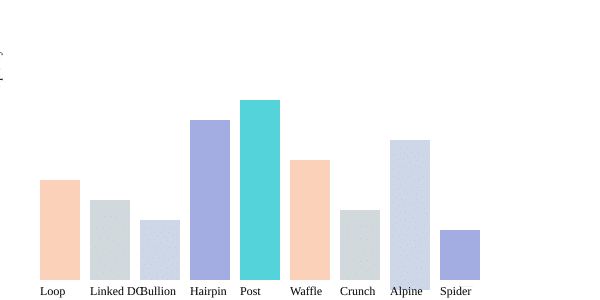
Frequency of Advanced Stitch Usage by Experienced Crocheters
Tunisian Crochet and the Mysterious Art of Fabric Alchemy
So you’ve conquered the granny square, tamed the crocodile stitch, and you’re ready to wield your hook like a wizard’s wand. Enter Tunisian crochet: the advanced crochet technique that’s basically knitting’s rebellious younger cousin—the one who shows up at family reunions with wild hair and a bag full of textured crochet fabric. If you’re itching to break the rules, Tunisian crochet stitches are your ticket to a world where fabric density doubles, textures pop, and your projects get mistaken for Renaissance tapestries (or, occasionally, modern art gone rogue).
Why Tunisian Crochet Feels Like Knitting’s Rebellious Younger Cousin
Let’s be honest: Tunisian crochet doesn’t play by the same rules as standard crochet. Instead of finishing each stitch before moving on, you collect loops across the row—like a squirrel hoarding nuts—then work them off in a return pass. The result? A dense, richly textured crochet fabric that’s twice as thick as regular crochet. It’s the technique that lets you say, “Yes, I made this, and no, I’m not sure how.” As Carmella Owens puts it:
“Tunisian crochet lets you break the rules without anyone wagging a finger.”
Step-by-Step: Trying Out Tunisian Simple Stitch, Knit Stitch, and Entrelac
Ready to dip your hook into the mysterious world of advanced crochet patterns? Here’s your cheat sheet for the three most popular Tunisian crochet stitches:
- Tunisian Simple Stitch (TSS): The gateway drug of Tunisian. Insert your hook under the front vertical bar, yarn over, and pull up a loop. Do this across the row, then work them off in pairs. The result is a grid-like, squishy fabric that’s perfect for bold blankets and dramatic scarves.
- Tunisian Knit Stitch (TKS): Want your crochet to look suspiciously like knitting? Slide your hook between the front and back vertical bars, yarn over, and pull up a loop. This stitch creates a dense, knit-like texture that’s ideal for statement accessories. Bonus: You can now confuse both knitters and crocheters at your next craft night.
- Tunisian Entrelac: For the truly adventurous, entrelac is a patchwork technique that builds textured crochet fabric in blocks. Think of it as the C2C (corner to corner) technique’s sophisticated cousin—perfect for blankets, pillows, or that one regrettable lamp cover you’ll never admit to making.
Would Da Vinci Have Tried Tunisian Crochet?
Picture this: It’s the Renaissance. Da Vinci is hunched over a sketch, but instead of a paintbrush, he finds a stray Tunisian crochet hook. Would the Mona Lisa be smiling because she’s sitting on a Tunisian entrelac cushion? Would the Vitruvian Man be wrapped in a dramatic scarf? The world will never know, but one thing’s for sure—Tunisian crochet is an art form worthy of the masters (and the mischievous).
Project Inspiration: Bold Blankets, Dramatic Scarves, and One Very Regrettable Lamp Cover
Once you’ve mastered these advanced crochet techniques, the world is your oyster—or at least your yarn stash is. Here are a few ideas to get your creative juices flowing:
- Bold Blankets: Use Tunisian simple stitch for a dense, cozy throw that doubles as a weighted blanket for your next Netflix binge.
- Dramatic Scarves: Try Tunisian knit stitch with variegated yarn for a scarf that looks hand-knit but works up twice as fast.
- Regrettable Lamp Cover: Feeling brave? Attempt Tunisian entrelac in neon colors. You’ll either create a conversation piece or a cautionary tale for future generations of crafters.
Tools of the Trade: What You’ll Need
- Tunisian/Afghan Hook: Longer than a standard hook, sometimes with a cable for extra-long rows.
- Yarn: Go bold! Tunisian crochet loves texture and color.
- Patience: The fabric is dense, and the learning curve is real. But the payoff? Absolutely worth it.
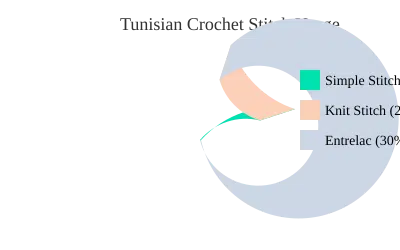
Stitch Usage Among Advanced Makers
Epic Projects: Where Advanced Techniques Meet Pure Ambition
So, you’ve conquered the granny square, tamed the treble, and can whip up a shell stitch in your sleep. Now what? Welcome to the wild frontier of Crochet Projects for Experienced Crafters, where advanced techniques don’t just meet ambition—they wrestle it to the ground and demand a rematch. This is the realm of statement pieces: blankets that double as pixel art, home decor that could pass for modern sculpture, and apparel so intricate it makes your local yarn shop owner weep with joy (or possibly terror).
When Techniques Collide: The Anatomy of an Epic Project
Let’s talk about the magic that happens when you combine advanced stitches. Take the infamous C2C (Corner to Corner) blanket. Not only does it let you crochet images—yes, actual pictures, like your cat’s face or a pixelated owl—but it also demands you master color changes, chart reading, and the fine art of not losing your mind halfway through. Or consider the cable stitch: it turns a basic sweater into wearable art, but only if you can keep your cables from mutating into something that looks like a bowl of spaghetti.
And don’t even get me started on sculptural home decor. Hairpin lace and bullion stitch can transform a humble wall hanging into a conversation piece, but only if you’re ready to embrace a little chaos (and possibly a few emergency chocolate breaks).
Comparative Table: Stitch Difficulty vs. Project Payoff
| Technique | Stitch Difficulty (1-10) | Frogging Frequency | Project Payoff Index (1-10) | Best Used In |
|---|---|---|---|---|
| Spider Stitch | 6 | Scarf (monthly) | 6 | Scarves, Textured Accessories |
| Bullion Stitch | 8 | Apparel (every project) | 7 | Wearable Art, Decorative Edges |
| Hairpin Lace | 9 | Apparel (every project) | 8 | Home Decor, Shawls |
| C2C | 8 | Blanket (weekly) | 10 | Image Blankets, Statement Throws |
| Cable Stitch | 9 | Apparel (every project) | 7 | Sweaters, Hats |
The Art of Troubleshooting: Frogging, Fudging, and Freewheeling
Let’s be honest: ambitious crochet projects are less about perfection and more about creative problem-solving. “If you didn’t frog your last project, did you really make it?” asks Trina Lightfoot, and every expert crocheter knows the answer. Frogging (that’s ripping out stitches, for the uninitiated) is a badge of honor. Whether you’re tackling a C2C blanket or a cable stitch pullover, you’ll find yourself undoing rows, fudging stitch counts, and occasionally inventing new patterns on the fly. The trick is to treat these moments not as failures, but as opportunities to flex your Expert Crochet Advice muscles.
Here’s a pro tip: keep a lifeline (a contrasting piece of yarn threaded through a row) in your work for those “just in case” moments. And remember, every time you frog, you’re one step closer to mastery—and possibly a little closer to needing a new skein of yarn.
Personal Aside: The Weighted Blanket That Wasn’t
I once set out to make a cable stitch sweater, dreaming of cozy winter evenings and compliments from strangers. What I ended up with was less “snuggly chic” and more “accidental weighted blanket.” Turns out, combining bulky yarn with dense cables is a recipe for a garment that doubles as resistance training. But hey, I learned a lot—and my biceps have never looked better.
Conclusion: Embrace the Epic
In the end, the most memorable Crochet Patterns for experienced crafters are the ones that challenge you, teach you, and occasionally make you question your life choices. Ambitious projects are where advanced techniques collide with pure ambition, resulting in pieces that are as rewarding as they are demanding. So go ahead—pick up that hook, dive into the deep end, and remember: every tangled triumph is a story worth telling. Happy hooking!
TL;DR: You’ve conquered the basics, so don’t let your yarn stash gather dust! With adventurous stitches, smart strategies, and a willingness to laugh at your own tangles, you’ll master advanced crochet like a true yarn wizard. When in doubt, embrace the chaos—and keep an extra mug of tea close by.