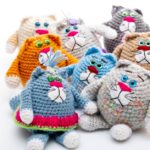
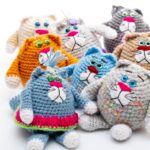
The term “double bed machine” often brings to mind industrial knitting equipment, but for crocheters exploring various fiber arts techniques, understanding the relationship between machine knitting and hand crochet can open new creative possibilities. While traditional crochet remains a beloved handcraft, the principles behind double bed machines offer fascinating insights for anyone passionate about textile creation, including those specializing in amigurumi and detailed crochet work.
Understanding Double Bed Knitting Machines
A double bed knitting machine consists of two needle beds positioned to work together, creating intricate fabric structures that would be time-consuming to produce by hand. Unlike single bed machines that create flat, stockinette fabrics, double bed machines can produce ribbing, tuck stitches, and complex patterns with remarkable efficiency. The two beds work in tandem, with needles engaging yarn from opposing directions to create dimensional textiles.

For crocheters, understanding this technology provides context for the fundamental differences between knitted and crocheted fabrics. While machine knitting has evolved significantly since its industrial revolution origins, hand crochet remains largely a manual craft. This distinction makes crochet particularly special—each stitch carries the maker’s individual touch and creative expression.
Why Crocheters Should Understand Machine Knitting
Even dedicated crocheters benefit from knowing about double bed machines for several compelling reasons. First, understanding different textile construction methods enhances overall fiber arts knowledge. When you comprehend how machine knitting creates fabric structure, you can better appreciate the unique properties of crochet stitches and their irreplaceable characteristics.

Second, many amigurumi enthusiasts work with knitted components alongside crocheted pieces. Understanding how machine-knit fabrics behave helps when incorporating mixed-media elements into projects. The stretch and drape of double-knit fabrics differ significantly from crocheted textiles, and knowing these differences ensures better design choices. If you’re looking for machines to help with larger projects, consider exploring the Best Knitting Machine for Sweaters in 2026.
Third, the technical precision required in double bed knitting mirrors the attention to detail needed for advanced crochet work. Just as machine operators must understand tension, stitch formation, and pattern execution, skilled crocheters develop similar expertise through practice and study.
Crochet vs. Machine Knitting: Key Differences
While double bed machines excel at certain tasks, crochet offers advantages that no machine can replicate. Crochet stitches create a denser, more structured fabric than most machine-knit textiles. This density makes crochet ideal for amigurumi, where firm stuffing retention and dimensional shaping are essential.

The fundamental structure of crochet—with its interlocking loops created one at a time—cannot be mechanized in the same way as knitting. Each crochet stitch builds upon the previous one, allowing for three-dimensional shaping, textured patterns, and immediate directional changes that machines cannot easily achieve.
Furthermore, crochet requires minimal equipment. While a double bed knitting machine represents a significant investment in space, money, and learning curve, crochet demands only yarn and hooks. This accessibility makes crochet particularly appealing for hobbyists and artisans who value portability and flexibility. For those interested in expanding their machine knitting knowledge, a Best Flatbed Knitting Machine in 2026 can offer similar versatility for different projects.
Applying Machine Precision to Hand Crochet
Despite their differences, crocheters can adopt principles from machine knitting to improve their handwork. Double bed machines maintain consistent tension throughout the knitting process—a valuable lesson for crocheters seeking uniform stitches in their amigurumi projects. Practicing tension control creates smoother fabric surfaces and more professional-looking finished pieces.
Machine operators work from detailed pattern cards or digital programs, following precise stitch counts and row instructions. Similarly, successful amigurumi creation requires careful attention to written patterns, stitch counts, and construction sequences. Approaching crochet patterns with the same systematic mindset used in machine knitting can reduce errors and improve results.
The concept of gauge—critical in machine knitting—applies equally to crochet. Just as machine knitters swatch to ensure proper fabric density, crocheters should test gauge before beginning major projects. This practice prevents sizing issues and ensures amigurumi pieces maintain their intended proportions.
The Irreplaceable Value of Handmade Crochet
Understanding double bed machines ultimately reinforces why handmade crochet remains so valuable in 2026. In an era of mass production and automation, the inability to mechanize crochet makes each handcrafted piece genuinely unique. Every amigurumi character, blanket, or garment represents hours of skilled handwork that no machine can duplicate.
This uniqueness carries emotional and monetary value. Handcrafted crochet items embody the maker’s time, creativity, and expertise. The slight variations in tension, the personalized color choices, and the care invested in each stitch create heirloom-quality pieces that mass-produced items cannot match.
Additionally, the meditative quality of crochet offers benefits beyond the finished product. While operating a double bed machine requires technical skill, it lacks the tactile, rhythmic satisfaction many crocheters find therapeutic. The gentle repetition of hook movements, the feel of yarn sliding through fingers, and the gradual emergence of three-dimensional forms provide stress relief and creative fulfillment that automated processes cannot replicate.
Advancing Your Crochet Skills in 2026
Rather than viewing machine knitting as competition, crocheters can use it as inspiration for growth. Study how double bed machines create textured patterns, then challenge yourself to replicate similar effects through advanced crochet stitches. Explore techniques like Tunisian crochet, which bridges the gap between traditional crochet and knitting, offering new creative possibilities.
Invest in quality tools and materials. While you don’t need expensive machinery, using ergonomic hooks, premium yarns, and proper lighting enhances your crafting experience. Organize your workspace efficiently, treating your crochet area with the same respect a machine operator gives their equipment. You might also want to explore local resources like the Best Yarn Shop Chicago Suburbs Guide to find the best supplies.
Continue learning through detailed tutorials, pattern studies, and community engagement. The complexity possible in hand crochet rivals anything a double bed machine produces. From intricate lace work to perfectly sculpted amigurumi faces, skilled crocheters achieve remarkable results through dedication and practice.
Conclusion
While double bed machines represent impressive textile technology, they highlight rather than diminish the special qualities of hand crochet. Understanding mechanical knitting principles can improve your crochet technique through better tension control, pattern reading, and gauge awareness. However, the true magic of crochet lies in its handmade nature—the personal connection between maker and creation that no machine can replicate. As you continue your crochet journey in 2026, embrace both the technical precision of mechanical processes and the irreplaceable artistry of handwork. Each stitch you create carries unique value, making your amigurumi treasures truly one-of-a-kind.