Small crochet animals are one of the most rewarding projects a beginner can take on. They work up quickly, use very little yarn, and give you a finished treasure you can hold in your hand after just a few evenings. If you have ever typed “crochet small animals easy” into a search bar, this guide is for you. It covers what supplies to choose, which stitches matter, how to pick a beginner-friendly pattern, and how to troubleshoot the parts that trip up new makers the most. Crochet Craze, a library of thousands of amigurumi PDF patterns and tutorials, is built around exactly this kind of beginner journey, and the advice below reflects how accessible the craft has become in 2026.
Why Small Animals Are the Best First Amigurumi
Amigurumi is the Japanese craft of crocheting or knitting small stuffed figures, and it is usually worked in continuous rounds of single crochet. Small animals are the classic entry point for several practical reasons.
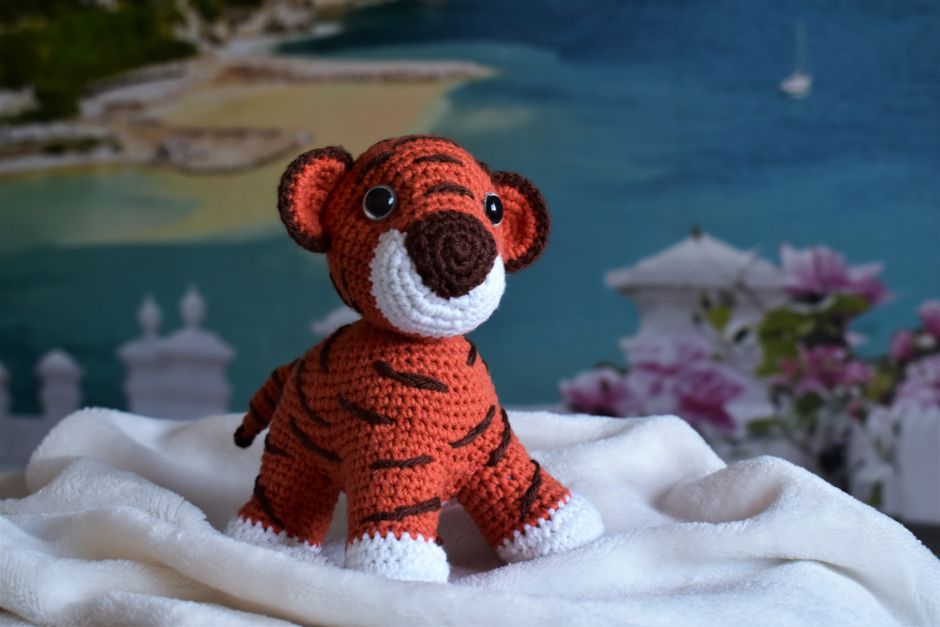
- Low yarn commitment. A mouse, chick, or tiny bear might use under 30 meters of yarn, sometimes far less. You can make one from a single leftover skein.
- Fast feedback. Many small animals are finished in two to six hours of active work, so beginners see results before motivation fades.
- Forgiving scale. Small imperfections disappear in a palm-sized piece. An uneven stitch on a six-inch rabbit is barely noticeable; on a large blanket, it stares back at you.
- Skill stacking. Each small animal teaches the same core loop of skills: working in the round, increasing, decreasing, stuffing evenly, and attaching parts.
The one caveat is that small pieces demand a little more precision in the finishing stage. Sewing tiny ears or embroidering a face can feel fiddly at first. That is a fine trade for a project you can actually complete.
Supplies for Easy Small Animal Projects
You do not need a large kit. The list below covers almost every beginner pattern out there.

Yarn
Worsted weight (category 4) cotton or acrylic is the standard choice because it is easy to see and easy to find. Cotton gives crisp stitch definition and holds shape well for animals. Acrylic is softer, cheaper, and widely available. Avoid fuzzy or novelty yarns for your first few animals: they hide your stitches, which makes counting rounds and spotting mistakes much harder.
Hook
Most worsted-weight amigurumi uses a 3.5 mm (E/4) or 4.0 mm (G/6) hook, smaller than the yarn label suggests. A tighter gauge prevents stuffing from showing through. If you crochet loosely, drop down a hook size rather than fighting your own tension. For a deeper breakdown, see this guide to the right crochet hook size for amigurumi.
Notions
- Polyester fiberfill stuffing, added in small pinches rather than one big clump.
- A blunt tapestry needle for seaming and weaving in ends.
- Stitch markers, at least two, because continuous rounds have no join to anchor your count.
- Safety eyes (usually 6 mm to 9 mm for small animals) or black embroidery floss if the animal is for a baby or young child.
- Small sharp scissors and a few pins for holding parts in place.
On safety: plastic safety eyes are not recommended for toys given to children under three, since they can detach. Embroidered eyes or felt circles are the safer choice for anything intended for a baby.
The Four Techniques That Make Small Animals Easy
Almost every small amigurumi pattern is built from a handful of moves. Learn these and you can read most beginner patterns with confidence.
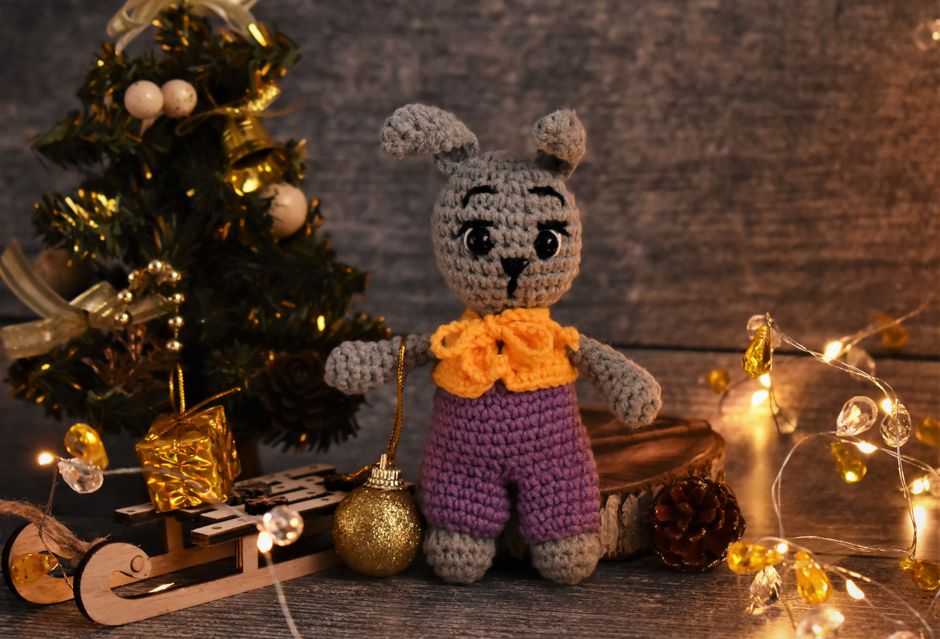
- Magic ring. A adjustable loop that closes the center hole of a round piece. The alternative, chaining two and working into the first chain, leaves a small gap that stuffing can peek through.
- Single crochet increase (sc inc). Two single crochet stitches in the same stitch. Most patterns shape the body by increasing in a regular sequence, then working even rounds, then decreasing.
- Invisible decrease (sc2tog). A decrease worked through the front loops only, which leaves a smoother fabric than a standard decrease. It matters most on the face and body, where lumpy decreases are visible.
- Seaming and placement. Most easy patterns have you crochet the body, head, ears, and limbs separately, then sew them on. Pinning all parts in place first and checking the silhouette from several angles before you sew is the single biggest quality upgrade a beginner can make.
If you have never made a magic ring, practice it ten times in a row on scrap yarn before starting your first animal. It is the one skill that most affects whether your first project looks neat. These same core stitches are covered in more depth in this guide to crochet stitches for stuffed animals.
How to Choose an Easy Small Animal Pattern
Not every pattern labeled beginner is equally beginner-friendly. Use these filters when browsing a pattern library.
- One-piece construction. Patterns where the body and head are worked in a single continuous piece eliminate most seaming.
- No color changes mid-round. Carrying a second color in the round creates a jog; simple one-color animals avoid the problem entirely.
- Written counts at every round. Good patterns state the stitch count at the end of each round, so you can catch an error immediately instead of discovering it three rounds later.
- Simple shapes. A sphere, a capsule, and a cone cover most small animals. Mice, chicks, bees, turtles, fish, and simple bears are typically the easiest silhouettes.
- Clear photos of the finished piece from multiple angles. This helps you judge proportions before you commit.
Crochet Craze offers thousands of amigurumi PDF patterns with instant download, which helps because you can preview the finished photos and construction notes before picking your first project. A supportive community matters too: when a round count does not add up, being able to ask someone who has made the same pattern saves hours of unraveling. If you want a structured starting point, this DIY crochet plush toys beginner’s guide walks you through the process step by step.
Troubleshooting Common Beginner Problems
Most first-time issues in small amigurumi fall into a predictable set. Here is what usually goes wrong and how to fix it. Many of these are covered in this list of beginner amigurumi mistakes to avoid, so a quick review before you start can save you a restart.
Stuffing shows through the fabric
Your hook is too large for the yarn or your tension is loose. Go down one hook size and try again on a small swatch. Dark yarn and light stuffing make the problem worse, so match your stuffing color to your yarn when you can.
The piece is lumpy rather than round
This is usually irregular increases and decreases. Count every round and place a stitch marker at the start of each round. If you tend to lose your place, use a row counter or a simple tally sheet.
The head is too small or too large for the body
Gauge is the likely culprit, especially if you substituted yarn. Crocheting the head and body on the same day with the same tension helps consistency.
Parts attach crooked
Pin first, then check the piece from the front, side, and top before sewing. A common trick is to place the eyes and ears while the head is still unstuffed, so you can adjust the face without compressing the stuffing.
The neck flops
Stuff the neck firmly but not so full that it bulges. A small pipe cleaner or a rolled scrap of firm felt inside the neck can add structure on slightly larger small animals.
Making It a Habit: From First Animal to Fifth
The best way to get comfortable with small animals is repetition with small variations. Make the same simple pattern three times: once to learn the mechanics, once to improve your finishing, and once to experiment with a color change or a different eye style. By the third version, your rounds will be even, your seams will be invisible, and stuffing will take half as long.
From there, branch out slowly. Add a scarf to a bear, a tiny flower to a bunny, or a striped shell to a turtle. Each small addition teaches one new skill without the risk of a large project going wrong. Many crocheters find that a shelf of small animals made over a few months becomes a quiet record of their progress.
Conclusion
Easy crochet small animals come down to a short supply list, four core techniques, and a pattern that matches your current skill level. Start with a one-color, low-seam animal in worsted cotton, count every round, and pin before you sew. Keep the first few projects small on purpose. The satisfaction of finishing a tiny creature in an evening is what carries beginners into confident makers, and 2026 is a good time to start: pattern libraries, video tutorials, and active communities make beginner amigurumi more approachable than it has ever been. Pick one simple pattern this week, grab a single skein, and make the first one. The fifth will surprise you.