Why crochet crafts for beginners are the perfect creative outlet
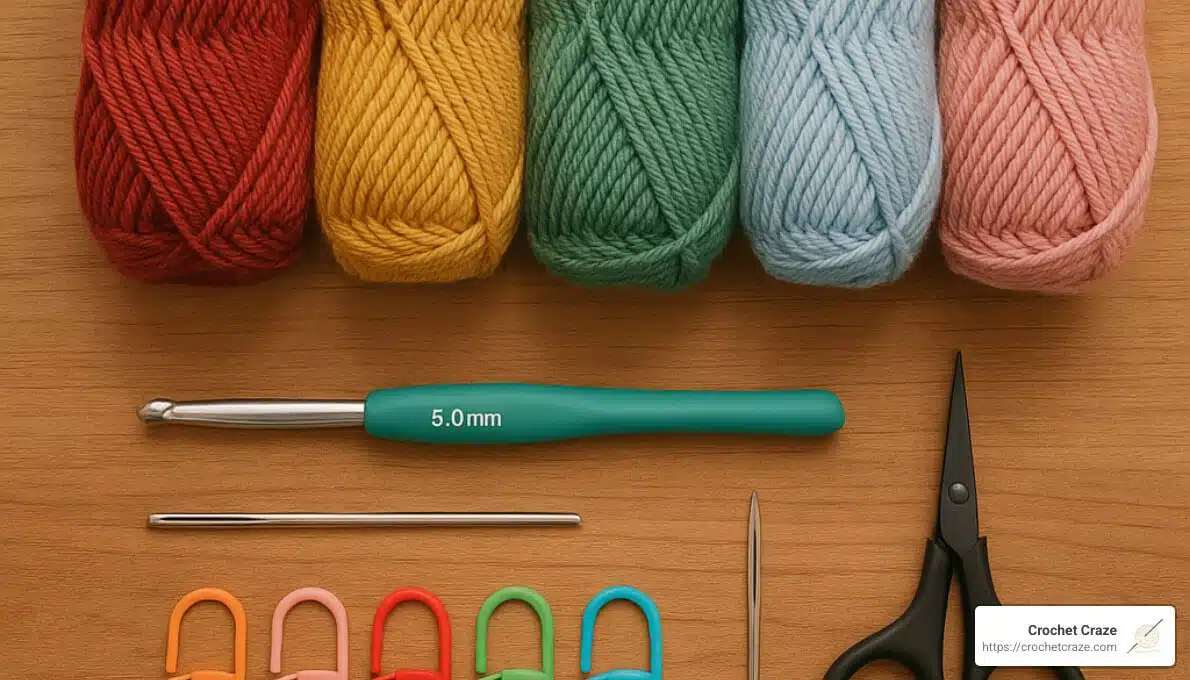
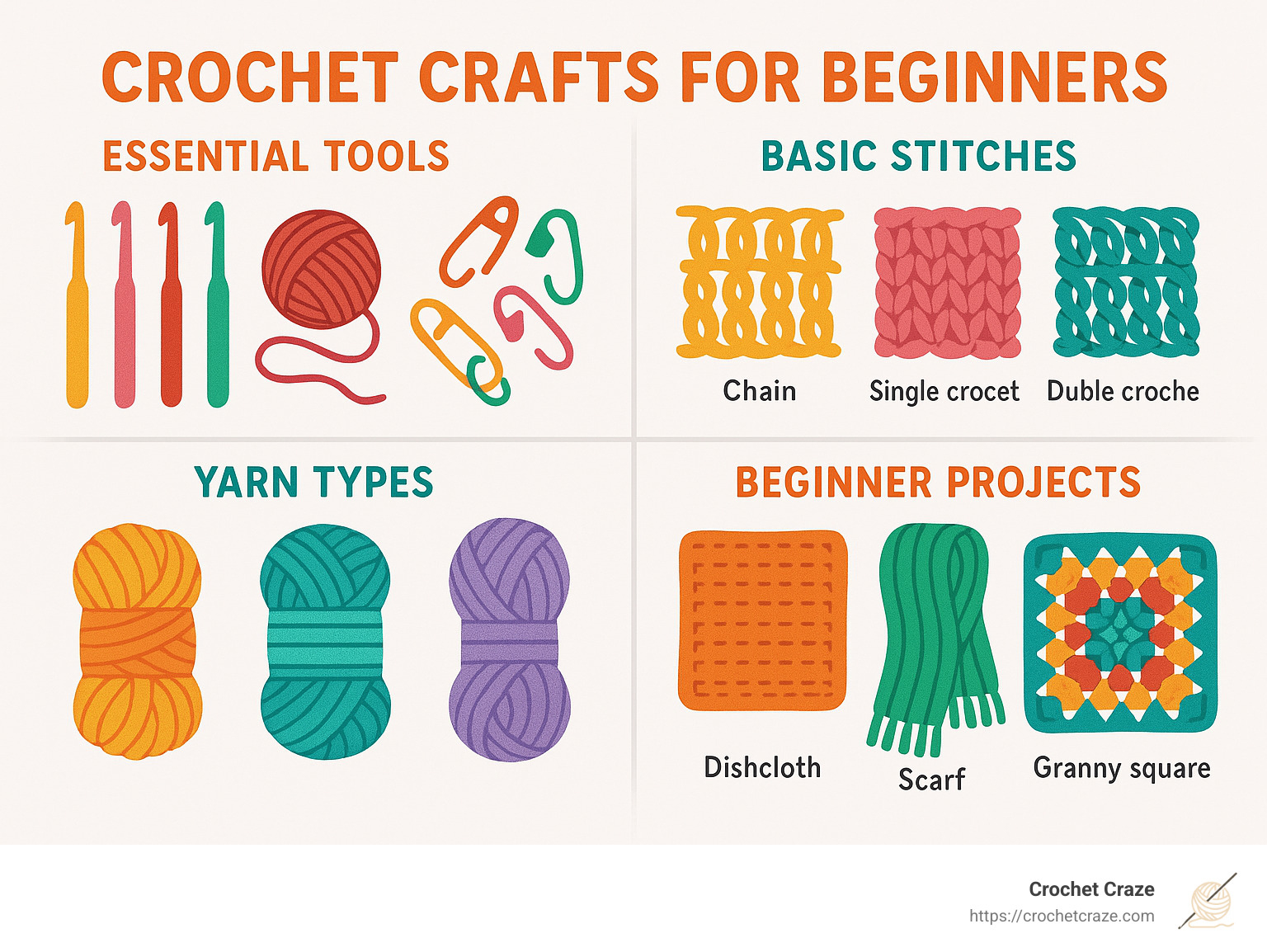
Crochet crafts for beginners are small, simple, and practical projects designed to help new crafters quickly build confidence and master basic stitches. Here’s exactly what you need to get started:
- Essential tools: Crochet hooks (5.0mm recommended for beginners), scissors, yarn needle, and stitch markers.
- Beginner-friendly yarn: Medium-weight (worsted) yarn made from cotton or acrylic.
- Basic stitches to learn first: Chain stitch (CH), single crochet (SC), double crochet (DC), and half double crochet (HDC).
- Easy starter projects: Dishcloths, washcloths, scarves, granny squares, headbands, beanies, bookmarks, and coasters.
If you’re feeling overwhelmed by complicated patterns, know that even simple projects like dishcloths and scarves will help you build a strong foundation and start creating handmade masterpieces quickly. As one beginner crocheter perfectly said:
“If you are brand new to crochet, like I was just a few months ago, you might be a little overwhelmed by all the amazing project ideas out there—and maybe you need a little help figuring out where to start.”
I’m Sonji Huerta, and as a recent newcomer to crochet crafts for beginners, I know the importance of clear guidance and simple techniques. My aim is to help you find joy and confidence in crochet as a relaxing, rewarding creative outlet.
Crochet crafts for beginners terms to remember:
– crochet yarn for beginners
– easy christmas crochet patterns for beginners
Essential Tools and Materials for Crochet Beginners
Starting your crochet journey doesn’t require emptying your wallet! In fact, you can begin creating beautiful pieces with just a handful of supplies. At Crochet Craze, we always tell new crafters that quality trumps quantity when gathering your first crochet toolkit.
Crochet Hooks
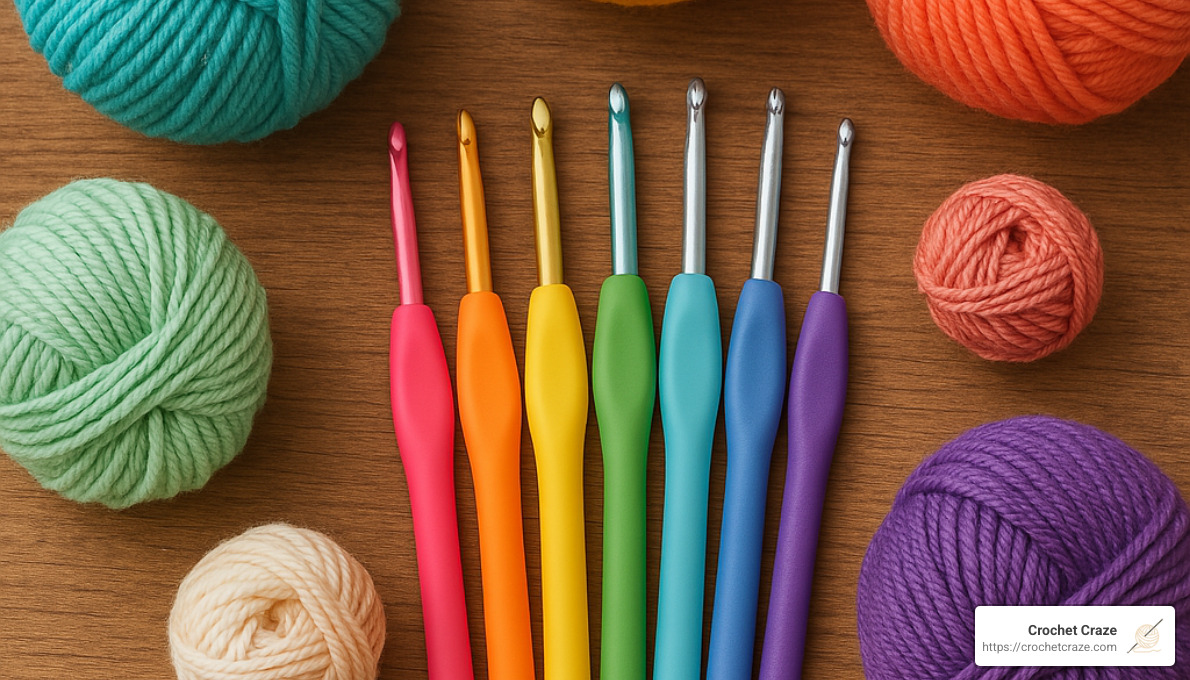
When I first started crocheting, I was overwhelmed by the variety of hooks available! They come in different sizes, materials, and fancy designs. But here’s what you really need to know: for beginners, a medium-sized hook is your best friend. I recommend grabbing a 5.0mm (H/8) or 5.5mm (I/9) hook to start. These sizes play nicely with medium-weight yarn, making them perfect for most beginner projects.
You’ll find hooks made from different materials, each with their own personality. Aluminum hooks are lightweight and let your yarn glide smoothly. Plastic hooks won’t break the bank and are super lightweight. Bamboo hooks feel warm and cozy in your hands. And if you’re worried about hand strain, ergonomic hooks with their chunky, comfortable grips might be worth the extra dollars.
My advice? Start with just one hook in the recommended size rather than splurging on a complete set. You can always expand your collection as your skills grow!
Yarn Types and Weights
Walking into a yarn store can feel like entering a candy shop – so many colors and textures! Yarn is organized by weight, ranging from whisper-thin category 0 (lace) to ultra-chunky category 7 (jumbo).
For crochet crafts for beginners, I strongly recommend sticking with category 4 (worsted weight) yarn. It’s the “Goldilocks” of yarn – not too thin, not too thick – just right! Worsted weight yarn is:
- Easy to handle and see
- Available practically everywhere
- Shows your stitches clearly
- Works up at a pace that won’t frustrate you
When picking colors for your first projects, lighter shades will be your friend. While that midnight blue might look gorgeous on the shelf, darker colors make it tricky to see your stitches when you’re still learning the ropes. The same goes for those multicolored variegated yarns – they’re beautiful but save them for when you’ve got the basics down.
Choosing the Right Yarn and Hook Size
Matching your yarn and hook is like finding the perfect dance partners – they need to complement each other! The yarn label is your cheat sheet here – it typically suggests hook sizes that work well with that particular yarn. Here’s a handy guide to keep in mind:
| Yarn Weight | Name | Recommended Hook Size |
|---|---|---|
| 1 | Super Fine | 2.25mm – 3.5mm (B-1 to E-4) |
| 2 | Fine | 3.5mm – 4.5mm (E-4 to 7) |
| 3 | Light | 4.5mm – 5.5mm (7 to I-9) |
| 4 | Medium (Worsted) | 5.5mm – 6.5mm (I-9 to K-10.5) |
| 5 | Bulky | 6.5mm – 9mm (K-10.5 to M-13) |
| 6 | Super Bulky | 9mm – 15mm (M-13 to Q) |
| 7 | Jumbo | 15mm+ (Q+) |
For beginners, medium (worsted) weight yarn paired with a 5.0mm to 6.0mm hook is a match made in crochet heaven. This combination is versatile and forgiving, perfect while you’re still getting the hang of things.
Your personal tension affects your work too. If your stitches tend to be tight, you might need to size up your hook. If you’re a loosey-goosey crocheter, sizing down might help. Don’t be afraid to experiment until you find your sweet spot!
Other Materials Needed
Beyond hooks and yarn, a few extra tools will make your crochet experience so much more enjoyable:
A mix needle (also called a yarn needle) is essential for those finishing touches. This blunt-tipped needle with a large eye helps you weave in loose ends and join pieces together. Trust me, you’ll use this more than you think!
Keep a pair of scissors dedicated to your crochet projects. Nothing’s more frustrating than hunting for scissors when you’re in the flow of creating! Small embroidery scissors work perfectly and can be kept with your supplies.
Stitch markers are little lifesavers that help you keep track of specific stitches or mark the beginning of rounds. While you can buy fancy ones, don’t feel you need to – safety pins, paper clips, or even small pieces of contrasting yarn work brilliantly when you’re starting out.
A flexible measuring tape is incredibly useful for checking your gauge and measuring your work. This helps ensure your finished piece will be the size you intended.
A row counter is optional but can be a sanity-saver, especially when working on patterns where keeping track of your rows is important. If you’re like me and tend to get distracted mid-project, this little tool is worth considering!
For more detailed guidance on selecting the perfect yarn for your beginner projects, hop over to our comprehensive guide on Crochet Yarn for Beginners.
With these basic supplies in hand, you’ll be well-equipped to dive into the wonderful world of crochet crafts for beginners. You don’t need every tool in the catalog to create beautiful pieces – start simple, and add to your collection as your skills and projects grow!
Mastering Basic Crochet Stitches
Before jumping right into projects, it’s important to take a little time to get comfortable with the basic stitches. Think of these stitches as your crochet toolbox—the trusty tools you’ll use again and again as you explore endless creative possibilities. With a little patience and practice, you’ll soon master these fundamental stitches and feel confident tackling your very first crochet crafts for beginners.
Chain Stitch (CH)
The chain stitch (CH) is your starting line—it’s the foundation for almost every crochet project you’ll make. It might look simple (and it is!), but it’s incredibly important. A neat chain stitch will give your work a solid, consistent base to build upon.
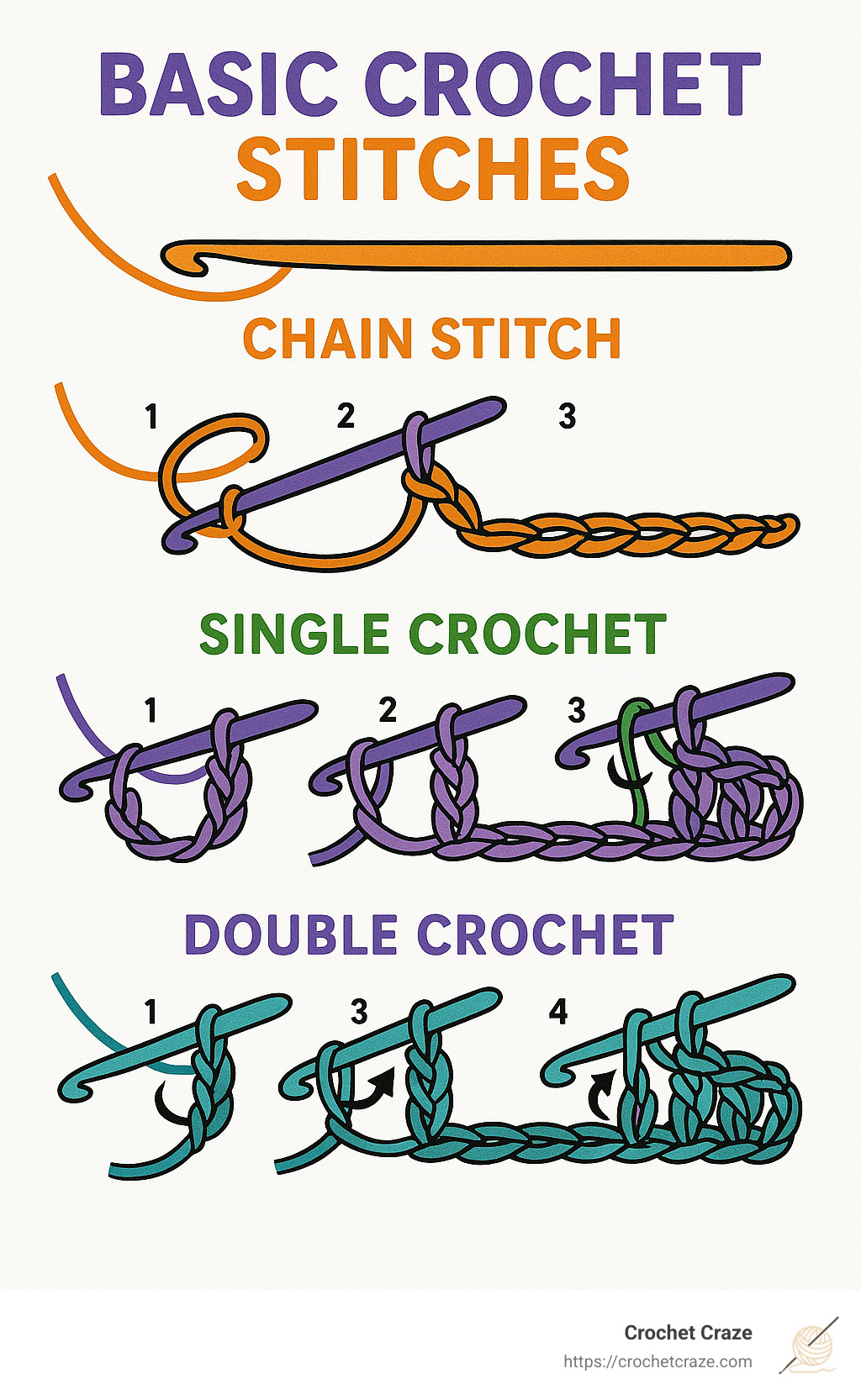
To create a chain stitch, start by making a slip knot and placing it on your hook. Yarn over—wrap the yarn around your hook from back to front—and gently pull the yarn through the loop already on your hook. Congratulations, that’s your first chain stitch! Repeat this simple motion until you’ve made enough chain stitches to match your project’s pattern. (And don’t worry, your first few chains might look a bit like uneven spaghetti… we’ve all been there!)
Single Crochet (SC)
Once you’ve mastered your chain stitch, it’s time to tackle single crochet (SC). This versatile stitch creates a tight, sturdy fabric that’s perfect for structured items like dishcloths, washcloths, and even adorable amigurumi (crocheted toys).
To make a single crochet stitch, first insert your hook into the stitch (or chain) indicated by your pattern. Next, yarn over and pull the loop through—leaving two loops on your hook. Yarn over once more and pull through both loops together. Ta-da! You’ve just completed a single crochet stitch. Repeat these steps along your row, and you’ll quickly get into a comfortable rhythm.
Double Crochet (DC)
The double crochet stitch (DC) is taller and looser than single crochet, which means your project works up quicker and creates a softer, more flexible fabric. It’s ideal for scarves, blankets, and garments where comfort and drape matter.
Begin a double crochet stitch by yarning over your hook before inserting it into the stitch. Next, insert your hook into the stitch, yarn over again, and pull through—leaving you with three loops on your hook. Yarn over and pull through the first two loops (two loops remain). Yarn over one final time and pull through these last two loops. You’ve now mastered the double crochet stitch! It might seem complicated at first, but soon your fingers will learn the steps by heart.
Half Double Crochet (HDC)
If you’re looking for a compromise between single and double crochet, the half double crochet stitch (HDC) is your perfect match. It’s slightly taller than single crochet but tighter than double crochet, creating a balanced fabric that’s versatile for almost any crochet project.
To make a half double crochet stitch, start by yarning over your hook. Insert your hook into the stitch, yarn over again, and pull through the stitch—you’ll have three loops waiting on your hook. Yarn over once more and pull through all three loops at once. You’ve successfully completed a half double crochet stitch!
Feeling a little confused? No worries—our handy infographic below clearly illustrates these basic stitches step-by-step, so you can visualize exactly how each one is done:
Learning Simple Crochet Techniques
Beyond these basic stitches, there are a few simple crochet techniques you’ll need to know to smoothly transition from row to row and project to project.
It all begins with the slip knot. This little loop is your official starting point for nearly all crochet projects. To make a slip knot, create a loop with your yarn, leaving a 6-inch tail. Pull a small amount of yarn through the loop, insert your hook into the new loop, and gently tighten. Voila—ready to crochet!
Next, let’s revisit the foundation chain. Remember our friend, the chain stitch? A series of these chain stitches forms your foundation chain, the very first row upon which you’ll build your project. Just follow your pattern instructions to learn how many chain stitches to make.
And finally, turning chains help you smoothly transition from one row to the next, keeping your rows even and tidy. The height of your turning chain depends on the stitch used in the row you’re starting. Generally speaking:
- Chain 1 for single crochet rows
- Chain 2 for half double crochet rows
- Chain 3 for double crochet rows
If you’d like extra tips and detailed visuals to help you feel more comfortable with these techniques, check out our helpful guide on Beginner Crochet Techniques.
With a little practice, these fundamental stitches and techniques will soon become second nature. It’s completely normal if your very first stitches aren’t perfect—we’ve all been there! The most important thing is to enjoy the process and have fun exploring the wonderful world of crochet crafts for beginners.
Easy Crochet Crafts for Beginners
Now that you’re familiar with the basics, it’s time for the fun part—creating your first projects! Crochet crafts for beginners should be simple, achievable, and enjoyable, giving you quick wins and building your confidence along the way.
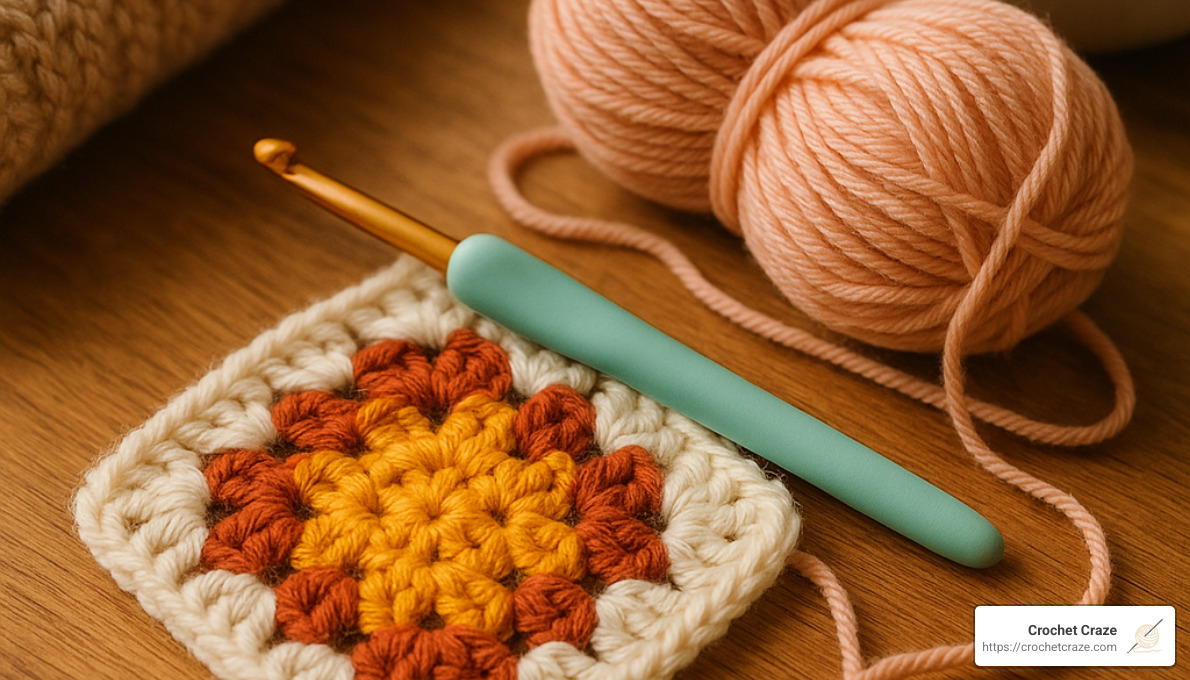
Starting small is the secret to success. Beginner-friendly crochet projects let you practice your stitches, see results quickly, and enjoy a satisfying sense of accomplishment. Plus, you’ll create useful items—perfect for yourself or thoughtful handmade gifts for friends and family.
Let’s explore some delightful crochet projects ideal for your first few trips with yarn.
Crochet Dishcloths and Washcloths
Dishcloths and washcloths are classic first projects for a reason—they’re simple, practical, and quick to make. Using basic stitches like single crochet, you can practice maintaining even tension and perfecting straight edges.
Cotton yarn is ideal for dishcloths because it’s absorbent, sturdy, and machine washable. A beginner-friendly pattern might have you chain about 25 to 30 stitches and make rows of single crochet until you create a neat square.
One delighted crafter sums it up well: “Crochet dishcloths are PERFECT beginner projects. They’re small, simple and super practical, so you can make a bunch and your practice won’t go to waste.”
Ready to get started? Check out this Free Crochet Pattern designed especially for beginners.
Crochet Granny Squares for Beginners
Granny squares are beloved by crocheters everywhere—both beginners and pros. They’re versatile little squares you create by crocheting in rounds, making them perfect for practicing double crochet stitches and color changes.
Once you master one granny square, you can make more and stitch them together into cozy blankets, vibrant bags, or even clothing. They’re also fantastic for using up leftover yarn scraps!
If following along visually helps you learn, don’t miss our Crochet Patterns for Beginners Video. It guides you step-by-step through making your first granny square.

Simple Crochet Scarves
A scarf might just be the perfect beginner crochet project. Scarves are basically long rectangles, making them easy to stitch without complicated shaping. You get tons of practice with repetitive stitches like single crochet or double crochet, helping you build muscle memory and skill.
For faster results, try using medium or bulky yarn. Consider adding fringe on the ends—it’s stylish and conveniently covers any uneven edges!
As crochet expert Mollie Johanson says, “Crochet patterns don’t get any easier than this one!” Give this Easy Scarf Pattern a try—it uses only chains and single crochet stitches, perfect for beginners.
Crochet Headbands and Ear Warmers
Want to crochet something you can wear almost immediately? Headbands and ear warmers are fantastic beginner projects. They are small, quick, and fun to make.
You can crochet a headband by chaining enough stitches for a snug fit around your head, then working rows of single crochet or double crochet. Once you reach your desired width, simply join the ends together to form a circle. Add a pretty button or crochet flower for extra flair!
Check out this colorful and beginner-friendly headband pattern to create an accessory you’ll love wearing.
Crochet Coasters and Placemats
Coasters are tiny yet mighty—these small crochet projects are perfect for practicing working in rounds and experimenting with different stitches. Coasters finish quickly (often in under an hour), and they’re useful additions to your home.
To make an easy circular coaster, you’ll start with a magic circle, crochet several single crochets into the circle, and then gradually increase stitches each round until it’s the perfect size. Need guidance? Try following this clear and helpful coaster pattern.
Once confident with coasters, you might even try crocheting larger items like placemats—they follow the same principles but provide more practice to keep your tension consistent.
Crochet Beanies and Hats
When you’re ready to level up your crochet skills a bit, beanies are a great next step. They’re simple enough for beginners, yet introduce shaping techniques and working in continuous rounds.
You’ll begin by crocheting a flat circle that’s just the right size for the top of the head, then crochet without increasing to form the sides of the hat. In no time, you’ll have a cozy, wearable project!
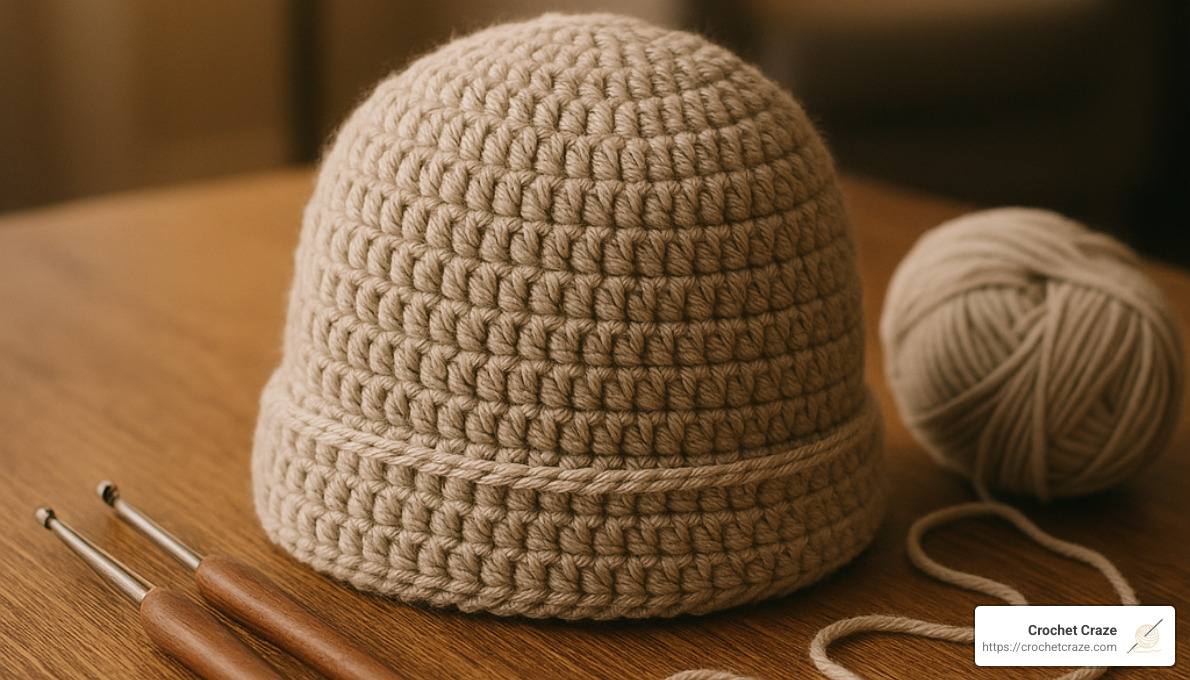
This easy-to-follow beanie pattern is perfect for beginners, using basic stitches and clear instructions—even complete newcomers can finish it in a couple of hours.
Crochet Bookmarks
Bookmarks are delightfully quick and charming beginner projects. They take just minutes, use minimal yarn, and offer great practice for your stitches. Plus, they’re thoughtful handmade gifts for the book lovers in your life.
Simply crochet a strip about six to eight inches long in single crochet or your favorite stitch, then add a cute tassel or fringe at the bottom.
Feeling inspired? Try making this lovely bookmark pattern featuring a simple flower motif—it’s easy enough for beginners yet charming enough to impress.
Whichever project you choose to begin your crochet trip, remember to enjoy the process and celebrate every small victory. Your first projects may be simple, but they’re the stepping stones to becoming a confident crocheter!
Tips for Mastering Crochet Crafts for Beginners
As you dive into your crochet crafts for beginners, you’ll quickly learn that every project is a journey filled with little wins—and sometimes, tiny frustrations! But don’t worry, we’ve all been there. Let me share some helpful tips to make your crochet journey smoother, so you can have fun and see your skills bloom.
Maintaining Consistent Tension
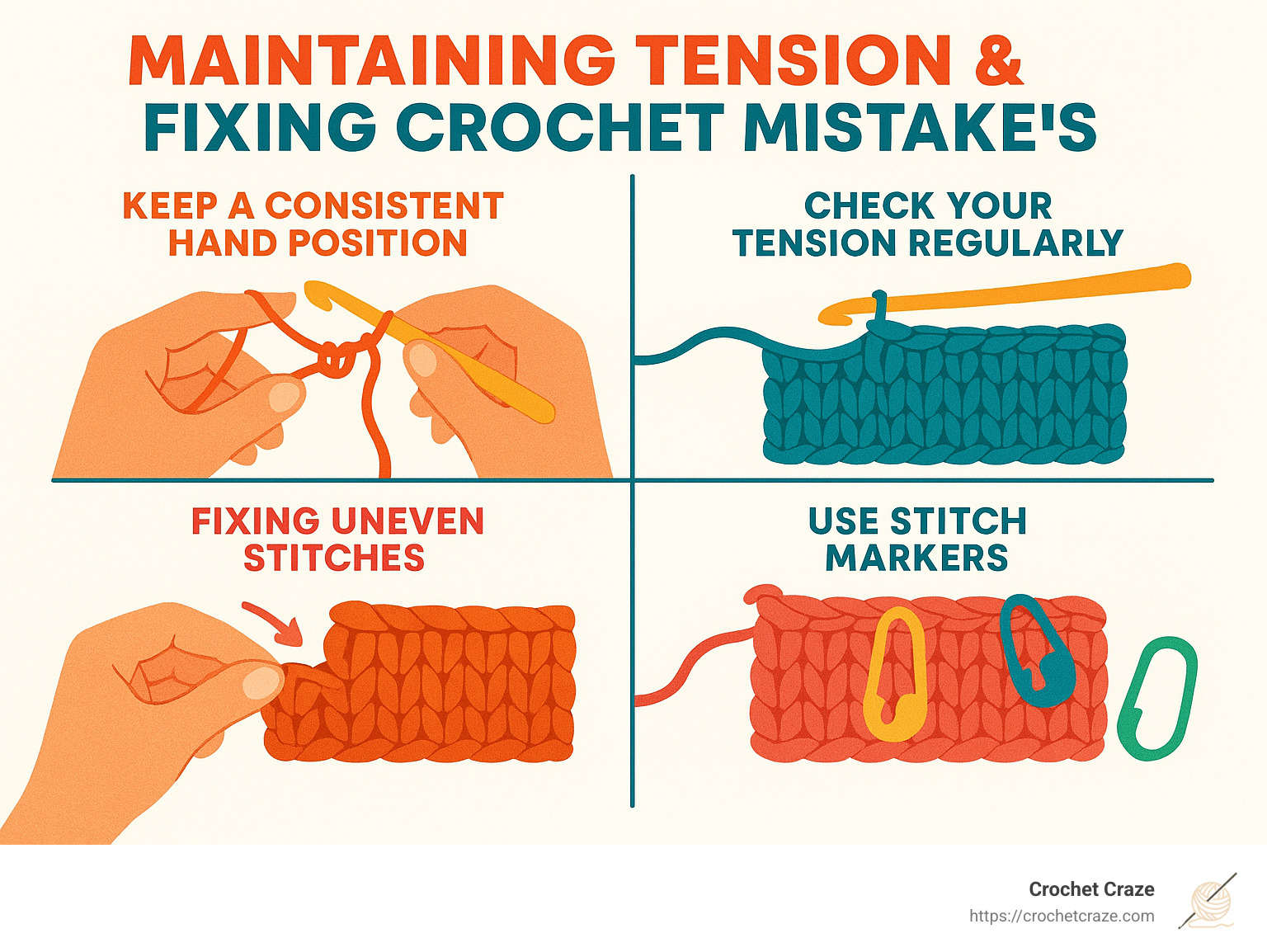
One of the key secrets to great-looking crochet projects is maintaining consistent tension. But what exactly does that mean? Simply put, tension is how tightly or loosely you hold the yarn as you crochet. If your tension changes from row to row, your stitches might end up uneven.
To keep things smooth and steady, find a comfortable way to hold your yarn and hook—and stick with it. Practice will help your hands naturally find a rhythm. Feel free to experiment with different yarn-holding techniques until you find one that feels right in your hands. If you notice your stitches getting tighter or looser, take a deep breath, relax your grip, and try again.
Tension varies from crafter to crafter. What’s important is keeping it consistent throughout your project.
Avoiding Common Mistakes in Crochet Crafts
Even seasoned crocheters make mistakes, so don’t let small setbacks discourage you. Here are common beginner issues and simple ways to keep them at bay:
One frequently seen problem is skipping stitches, especially at the start or end of rows. If your work is mysteriously shrinking, this might be why! To avoid this, count your stitches regularly at the end of each row. Stitch markers are your new best friends—use them to mark the first and last stitches, making them easy to identify and less likely to be missed.
Another challenge beginners face is inconsistent tension, causing some stitches to look bigger, smaller, tighter, or looser than others. Along with practicing regularly, pay attention to your grip and take short breaks if your hands start getting tired. Additionally, blocking your finished projects (gently stretching them into shape and letting them dry) can smooth out minor tension hiccups.
Counting stitches accurately is another crucial skill that can save you from misshapen projects and confusion. Make it a habit to count your stitches every few rows, and use stitch markers every 10-20 stitches to make counting easier.
As a thoughtful crocheter once said, “Practice makes perfect, and patience is key when learning crochet.” So give yourself grace, and remember that every stitch is a step toward mastery.
If you’d like a bit more guidance, our handy guide on Mastering Your Crochet: A Guide to Fixing Common Mistakes is here to help!
Improving Crochet Skills and Speed
You’re probably eager to watch your skills grow and your projects pile up. Thankfully, improving your crochet skills and speed comes naturally with time, but here are a few handy tips to speed things along.
Regular practice really does make a difference. Even if you only have 15-20 minutes a day, use that time to crochet consistently. Small daily sessions are more effective at building muscle memory than sporadic marathon crochet sessions.
Start with simple, manageable projects at first. Completing these smaller items will boost your confidence and solidify fundamental techniques. Then, as you feel more comfortable, gradually tackle slightly larger projects. Before you know it, you’ll be creating beautiful scarves, blankets, and more complex designs.
Another little secret for crocheting faster without hand discomfort is to consider using ergonomic crochet hooks. These hooks are specifically designed to reduce hand fatigue and keep your hands comfortable during longer crochet sessions, letting you enjoy your hobby without soreness.
Lastly, finding a quiet, distraction-free environment can greatly improve your focus and stitching accuracy. Put on some calming music or enjoy the quiet rhythm of your crafting space, helping you keep consistent tension and accurate stitch counts.
If you find yourself stuck on a particular stitch or technique, take advantage of visual resources. Watching video tutorials helps many beginners grasp concepts quickly, while providing a supportive sense of community.
Ready to take your skills up a notch with a slightly bigger project? Take a peek at our gentle guide on How to Crochet a Lap Blanket for Beginners. It’s a great stepping stone toward larger projects and a satisfying milestone on your crochet journey.
Keep going—every stitch brings you closer to creating amazing handmade treasures!
Personalizing Your Crochet Projects
One of the best parts about getting into crochet crafts for beginners is adding your own special touch to every piece you make. Even when you’re just starting out, you can easily personalize your projects to reflect your unique style and personality. After all, your crochet creations should feel like you!
Experimenting with Colors
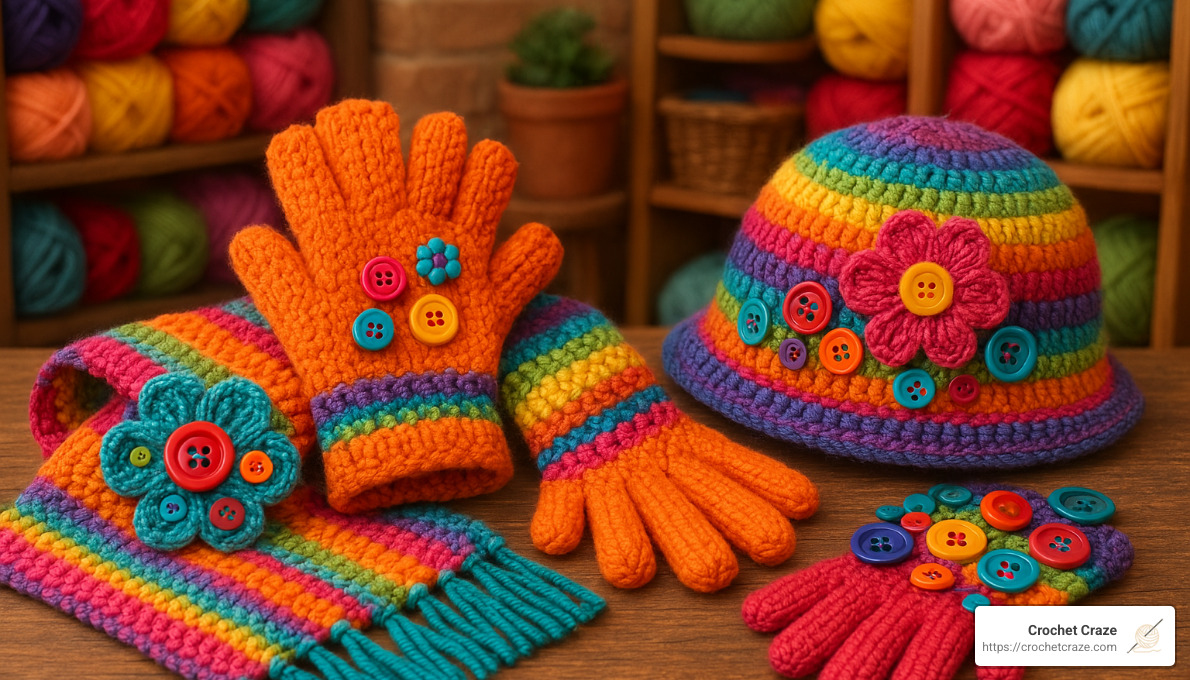
Playing with colors is one of the easiest and most rewarding ways to make your crochet projects truly yours. If you have favorite shades or color combinations, use them even if a pattern suggests something different. Match your crochet items to your home decor or wardrobe to make them extra special.
You don’t have to stick with solid colors either! Try creating an ombre effect by gradually transitioning from one color to another, or use variegated yarn to add multicolored interest without switching skeins. Trust me, choosing colors you adore makes crocheting even more enjoyable—and you’ll love the finished product even more.
Adding Embellishments
Once you’ve finished your basic crochet crafts, you can take them to the next level by adding a few simple embellishments. Buttons, beads, tassels, fringe, and pom-poms not only add visual charm but also make your items unique. A simple scarf or hat can become something special with a little tassel or pom-pom action!
Crocheted flowers or embroidered designs are another lovely way to dress up your beginner projects. Imagine a plain coaster becoming a gorgeous table accessory with just one small flower sewn onto it. A few stitches of embroidery thread can quickly turn a simple bookmark into an adorable gift for the book lover in your life.
Using Different Yarns
As you get comfortable with basic stitches, don’t hesitate to experiment with different types of yarn. Yarn selection significantly influences the feel and appearance of your crochet crafts for beginners.
For instance, textured yarns like boucle or eyelash add depth and dimension to simple patterns, creating fun, playful items. If you’re feeling fancy, try shiny mercerized cotton or yarns with metallic threads—they give your projects a glamorous sheen. Super bulky yarns are also fantastic because they create chunky, cozy pieces that work up in no time. And if warmth and luxury are your goals, natural fibers like wool or alpaca will become your new best friends.
Combining Colors and Patterns
Ready to level up? Mixing colors and patterns can create amazing effects in your crochet work. Stripes are a classic choice—try even stripes for a clean look, graduated stripes for visual interest, or go all out with random stripes for a playful vibe. Another trendy choice is color blocking, where you create large, bold blocks of color, giving your project a modern, artistic feel.
For those days when you want colorful results without extra effort, reach for variegated yarn. It automatically adds eye-catching color changes as you crochet, no yarn switching required.
If you’re seeking fresh ideas and inspiration to personalize your crochet journey, check out our 10 Unique Crochet Patterns to Kickstart Your Journey. There are no strict rules when it comes to personalizing your crochet projects—only endless possibilities and plenty of room for your creativity to shine.
Finding Free Crochet Patterns and Resources
When you’re just getting started with crochet crafts for beginners, you might be amazed at how much is available online—and for free! The internet is truly a goldmine of tips, tutorials, patterns, and communities that can help you on your crochet journey.
Online Tutorials
If you’re the kind of learner who benefits from seeing things done step-by-step, video tutorials can be your best friend. There are countless YouTube channels dedicated to crochet tutorials, especially crafted for beginners. Channels like “Bella Coco Crochet,” “Fiber Flux,” and “The Crochet Crowd” offer clear, beginner-friendly tutorials that guide you through basic stitches, simple projects, and even troubleshooting your crochet mishaps.
Aside from YouTube, many yarn companies post helpful video tutorials on their websites to accompany their patterns. Platforms like Craftsy and CreativeBug also offer a wealth of video classes—some free, some paid—that cover everything from basic stitches to more advanced techniques.
Crochet Communities
Crochet is often seen as a solitary craft (perfect for introverts!), but it’s also a hobby that’s enriched by connecting with others. Whether you need advice, inspiration, or just a little encouragement, joining a crochet community can make all the difference.
One fantastic place to start is Facebook groups dedicated to crochet. There are groups specifically for beginners, filled with friendly folks who are happy to help you when you’re stuck or share your excitement when you complete a project.
Another great community is Reddit’s r/crochet, which is an active forum where you can ask questions, find inspiration, and share your accomplishments. If you prefer visual inspiration, Instagram is another wonderful resource. Just follow hashtags like #crochetbeginner or #crochetcrafter to fill your feed with beautiful creations and motivating ideas.
Don’t forget your local yarn shop, either! Many yarn stores host stitch groups or beginner classes where you can meet people face-to-face, share your work, and learn new skills in a supportive environment.
Free Patterns
One of the best parts of being new to crochet is exploring the thousands of free crochet patterns available online. You don’t need to spend money to find something wonderful to create, especially as you’re building your skills.
Yarn companies like Lion Brand, Red Heart, and Bernat offer extensive collections of free patterns right on their websites, categorized by skill level. Designer blogs are also a great source of patterns, often accompanied by helpful tutorials and personal tips.
Pattern databases like Ravelry have thousands of free patterns available, and you can even filter your searches by difficulty level, yarn weight, project type, and more. Pinterest is another amazing source—simply type “free crochet patterns for beginners” to find endless project ideas and inspiration. Create your own Pinterest board to save all the patterns you’d like to try later.
To get started, you may want to check out our guide on Best Yarn and Hook for Beginner Crochet. This resource will help you choose materials best suited for your very first projects.
Recommended Online Resources for Crochet Crafts for Beginners
The sheer volume of online resources can feel overwhelming, especially when you’re just starting out. To simplify things, here are a few reliable places we recommend checking first:
-
Ravelry: This free platform offers thousands of patterns, many specifically tagged as “beginner-friendly.” You’ll find a vibrant community ready to help and inspire you.
-
LoveCrafts: With over 1,000 free crochet patterns specifically designed for beginners, LoveCrafts Free Crochet Patterns for Beginners is a great resource for finding your next project idea.
-
YouTube Channels: As mentioned earlier, channels like “Bella Coco Crochet,” “Fiber Flux,” and “The Crochet Crowd” are ideal starting points. Their clear, friendly tutorials make even the trickiest stitches easy to master.
-
Yarn Company Websites: Brands like Lion Brand, Red Heart, and Bernat offer free beginner-friendly patterns. These patterns are often tested extensively, so you know they’re reliable.
-
Pinterest: Perfect for visual learners, Pinterest lets you save and organize all the free patterns and inspiration that catch your eye.
With so many free resources at your fingertips, you’re all set to explore, experiment, and find your crochet rhythm. As you gain confidence and master new skills, you’ll see that the crochet community is warm, supportive, and always excited to welcome new crafters like you!
Frequently Asked Questions about Crochet Crafts for Beginners
As a beginner diving into the wonderful world of crochet, it’s completely natural to have plenty of questions. Don’t worry—you’re in great company! At Crochet Craze, we’ve helped countless beginners just like you get started, build confidence, and create beautiful, handmade items. Let’s explore some of the most common questions and make sure you’re ready to tackle your first projects with ease.
What are the Essential Tools and Materials Needed for Beginner Crochet Projects?
You might be surprised to learn how few supplies you actually need to start crocheting. The absolute essentials are a crochet hook (a size H/5.0mm is versatile and beginner-friendly), some medium-weight (worsted) yarn in a solid, light color, a pair of scissors, and a blunt-tipped yarn needle (often called a mix needle) for weaving in your yarn ends.
While these basics will certainly get you going, there are a few additional tools that can make your crochet journey smoother and more enjoyable. Stitch markers are fantastic for marking places in your project, like the beginning of a round or specific stitches you don’t want to forget. A flexible measuring tape helps you keep track of your project’s size and gauge, and a simple row counter can help you stay organized, especially in larger patterns. Lastly, a handy project bag can keep everything tidy and easy to carry, so you’re ready to crochet wherever inspiration strikes.
As you progress and grow more confident, you can gradually invest in nicer tools—there’s no rush to get fancy right away!
How Do You Choose the Right Yarn and Hook Size for a Beginner Crochet Project?
Choosing yarn and hook sizes can feel overwhelming at first, but it doesn’t have to be complicated. At Crochet Craze, we always recommend beginners start with medium-weight (worsted weight) yarn. It’s easy to handle, widely available, and clearly shows your stitches—which is especially helpful when you’re learning. Solid, lighter colors also make your stitches easier to see and count, preventing frustration as you learn new techniques.
Cotton yarn is fantastic for practical items like dishcloths and washcloths because it’s absorbent and durable. Acrylic yarn, on the other hand, is affordable and perfect for practicing stitches while creating fun projects like scarves or granny squares.
A good hook size to pair with worsted yarn is typically somewhere between H/5.0mm and J/6.0mm. This range is comfortable for beginners, allowing you to easily work stitches without straining your hands. Always check your yarn label—it will list recommended hook sizes to help you get the best stitch quality.
If you’re working from a pattern, stick closely to the yarn weight and hook size recommended by the designer. Changing either can significantly affect your project’s final size, shape, and look, so it’s best to trust the designer’s guidance at first.
For more detailed tips on choosing yarn and hooks, check out our helpful guide on Best Yarn and Hook for Beginner Crochet.
What are Some Common Mistakes Beginners Make in Crochet and How Can They Be Avoided?
Every crocheter, from beginner to expert, makes mistakes now and then—so don’t be discouraged! Let’s look at a few common slip-ups beginners face, along with easy ways to avoid them.
One frequent beginner mistake is choosing overly complex patterns right out of the gate. We totally get the excitement and ambition! However, starting with complicated designs can become overwhelming fast. Instead, pick simple projects that use basic stitches—like dishcloths or scarves—to build your confidence and technique gradually.
Another common issue is not carefully reading patterns or misunderstanding crochet abbreviations. Crochet does have its own unique language, so take your time to familiarize yourself with pattern terms and abbreviations. Always read through the entire pattern before starting your project. Highlight key details, and don’t hesitate to use stitch markers or a row counter to stay on track.
It’s also easy, especially when you’re first learning, to crochet too tightly. Tight stitches make it hard to insert your hook and create stiff, uncomfortable fabric. Keep your yarn tension relaxed to avoid this. If tight stitching persists, try going up one hook size to help loosen your grip and make crocheting more enjoyable.
Finally, losing count of stitches is extremely common and can lead to uneven edges or irregular shapes. Count your stitches regularly, especially at the end of each row. Stitch markers are your best friends here—they help you keep track of your work and catch mistakes early.
And remember, mistakes aren’t failures—they’re part of the learning journey! As one wise crocheter put it: “Practice makes perfect, and patience is key when learning crochet.”
For a deeper dive into troubleshooting common crochet errors, head over to our detailed guide: Mastering Your Crochet: A Guide to Fixing Common Mistakes.
Conclusion
There’s something truly magical about changing a simple ball of yarn into something beautiful and useful with just a hook and your own two hands. As you begin your crochet journey, crochet crafts for beginners are designed to help you build confidence while creating items you’ll actually use and cherish.
Every crochet master started exactly where you are now – learning one stitch at a time. I’ve watched countless beginners transform into confident crafters simply by practicing consistently and being patient with themselves through the learning process. Your first dishcloth might have wobbly edges, and your first scarf might not be perfectly straight – but these “imperfections” are part of your unique handmade story.
Here at Crochet Craze, we firmly believe that crochet is a craft accessible to everyone, regardless of age or creative background. Whether you’re looking to make thoughtful, personalized gifts, seeking a mindful activity to help manage stress, or simply wanting to create something beautiful, crochet offers endless possibilities.
I encourage you to start with the simple projects we’ve explored together – those dishcloths that will actually clean your kitchen, granny squares that can grow into heirloom blankets, and cozy scarves that will keep you warm while showcasing your new skills. Each finished project, no matter how small, represents growth in your crochet journey.
As your confidence builds, you’ll naturally want to challenge yourself with more complex patterns and techniques. That’s when you’ll truly appreciate the strong foundation these beginner projects have given you. The muscle memory you’ve developed, your understanding of tension, and your ability to read patterns will serve you well as you advance.
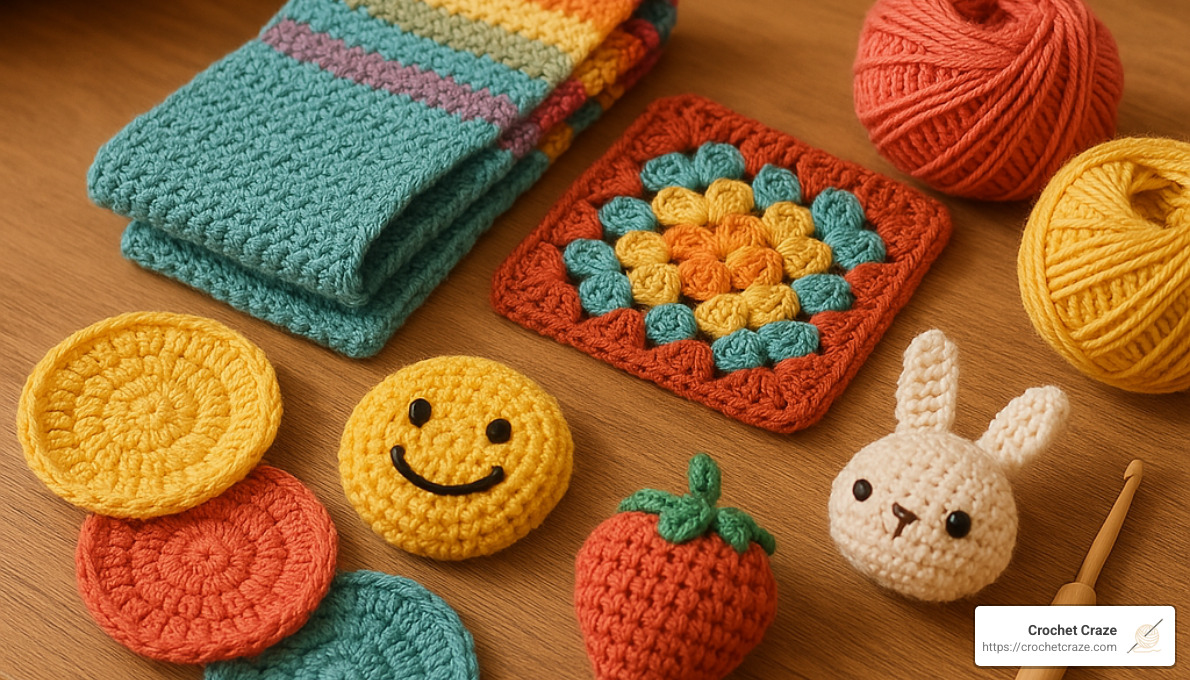
When you’re ready to expand your crochet horizons, our collection of patterns offers plenty of inspiration – from seasonal decorations that will brighten your home to practical items that make perfect gifts. The possibilities truly are endless once you’ve mastered the basics.
I love what one of our community members shared recently: “Practice makes perfect, and patience is key when learning crochet.” These words couldn’t be more true. Accept each step of your learning journey, celebrate every finished project (even the wonky ones!), and most importantly, enjoy the meditative process of creating something beautiful one stitch at a time.
Your hands are about to create wonderful things. Happy crocheting!