
Picture this: I once knit my cat a bow tie in the round on double-pointed needles, and not only did she tolerate it—she wore it with attitude. That’s when I realized knitting is so much more than basic scarves or grandma’s afghan patterns. With the right tricks up your sleeve (er, on your needles), knitting becomes pure creative sorcery. In this post, we’ll toss out the training wheels and dive into a medley of advanced knitting techniques—some practical, some gloriously over-the-top—but all primed to shake up your stitch repertoire.
Riffing on Cables & Crazy Construction: Twists, Turns, and Tangents
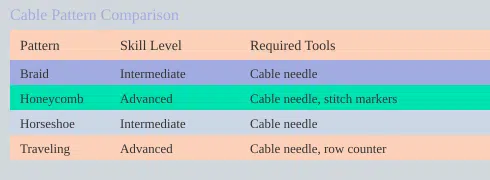
Let’s face it: cable knitting isn’t just for your grandma’s fisherman sweater anymore. These days, cable patterns variety is exploding—think honeycomb, horseshoe, and traveling cables that snake across your projects like yarny rollercoasters. If you’re ready to take your knitting from “nice” to “whoa, did you make that?!”, it’s time to riff on cables and get wild with construction methods.
Cable Patterns: Beyond the Classic Braid
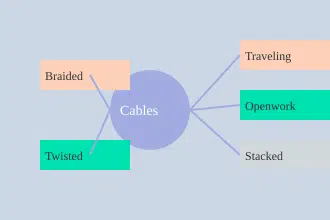
Sure, the classic braid is a crowd-pleaser, but why stop there? Modern cable knitting is all about experimentation. Try openwork cables for a lacy twist, or stack up honeycomb patterns for a texture that’s practically 3D. Traveling cables are the daredevils of the bunch, meandering across your fabric like they’ve had too much coffee. And don’t forget the horseshoe cable—because sometimes your stitches just want to hug.
“The beauty of cables lies in the endless ways you can twist and shape your stitches.” – Norah Gaughan
Feeling intimidated? Don’t be! With a trusty cable needle (or a double-pointed needle in a pinch), a steady hand, and maybe a deep breath, you can wrangle even the wildest twists. Pro tip: keep a few cable needles in different sizes handy—your stitches will thank you.
SVG Chart: Cable Pattern Comparison Table
Knitting Construction Methods: Origami Isn’t Just for Paper
If you think construction is just about sewing up seams, think again. Modular knitting lets you build wild geometric shapes—shawls, scarves, even hats—by joining rectangles, triangles, and other shapes as you go. It’s basically knitted origami, minus the paper cuts. Seamless construction is another favorite, letting you create garments in one magical piece (no more hunting for your tapestry needle at midnight).
SVG Mind Map: Manipulating Cables in Advanced Knitting
And if you’re worried about making mistakes, don’t be! My first cable mishap ended up looking like a pretzel. It was deliciously wrong, but hey, that’s how you learn. Grab your favorite knitting tools for complex patterns, embrace the twists and turns, and get ready to impress yourself (and everyone else) with your next-level skills.

Beyond Vanilla Yarn: Fiber Experiments & The Rise of Sustainable Knitting
Let’s be honest—if you’re still knitting with plain acrylic, you’re missing out on the wild world of sustainable natural fibers. The knitting trend 2025 is all about eco-fiber adventures, and your stash is about to get a serious upgrade. Tried bamboo? It feels like knitting with cloud feathers (not scientifically proven, but your hands will thank you). And if you haven’t debated whether merino or silk is softer, are you even an advanced knitter?
Why Sustainable Natural Fibers Are Taking Over
Sustainability isn’t a trend—it’s the new normal. Eco-fibers and wild blends are everywhere, and for good reason. Material choice isn’t just about color anymore; it shapes your project’s feel, drape, and wearability. As Clara Parkes puts it:
“Natural fibers are like spices in cooking—they elevate your knitting from the ordinary to the unforgettable.”
Advanced knitters are reaching for merino wool projects, bamboo, hemp, and silk because these fibers offer strength, drape, and texture that synthetics just can’t match. Experimenting with new fibers can turn a plain pattern into a showstopper—think of it as the secret ingredient in your knitting recipe.
Meet the Fiber Superstars of 2025
- Merino Wool: The MVP of softness (9/10), perfect for intricate cables and lace. It’s like knitting with a baby sheep’s hug.
- Bamboo: Light, silky, and eco-friendly (eco-impact 9/10). Great for summer tops and drapey shawls. Bonus: it’s naturally antibacterial, so your socks won’t smell like a gym bag.
- Hemp: The unsung hero of strength (8/10). It softens with every wash and is practically indestructible—ideal for bags, home décor, and anything you want to last longer than your New Year’s resolutions.
- Silk: The ultimate in drape (10/10) and shine. Use it for luxury scarves or blend it with wool for a project that screams “I’m fancy.”
Advanced Knitting Techniques for Fiber Fanatics
Ready to level up? Here’s how to make the most of these innovative knitting techniques:
- Blending Fibers: Mix merino with silk for softness and shine, or bamboo with hemp for strength and breathability.
- Textural Play: Use hemp for structure in colorwork or bamboo for drapey lace. The right fiber can make your stitches pop.
- Eco-conscious Dyeing: Natural fibers take up plant-based dyes beautifully—experiment with avocado pits, onion skins, or even black beans for a sustainable splash of color.
Fiber Properties Table
| Fiber | Softness (10) | Strength (10) | Drape (10) | Eco-Impact (10) |
|---|---|---|---|---|
| Merino Wool | 9 | 7 | 8 | 7 |
| Bamboo | 8 | 7 | 9 | 9 |
| Hemp | 6 | 8 | 7 | 10 |
| Silk | 10 | 6 | 10 | 6 |
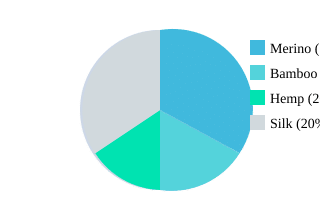
Popularity of Advanced Knitting Fibers in 2025
Ready to ditch vanilla yarn? Your next merino wool project—or bamboo-laced lace—awaits. The only question: which fiber will you experiment with first?
Colorwork and Intarsia: When Your Needles Want to Party
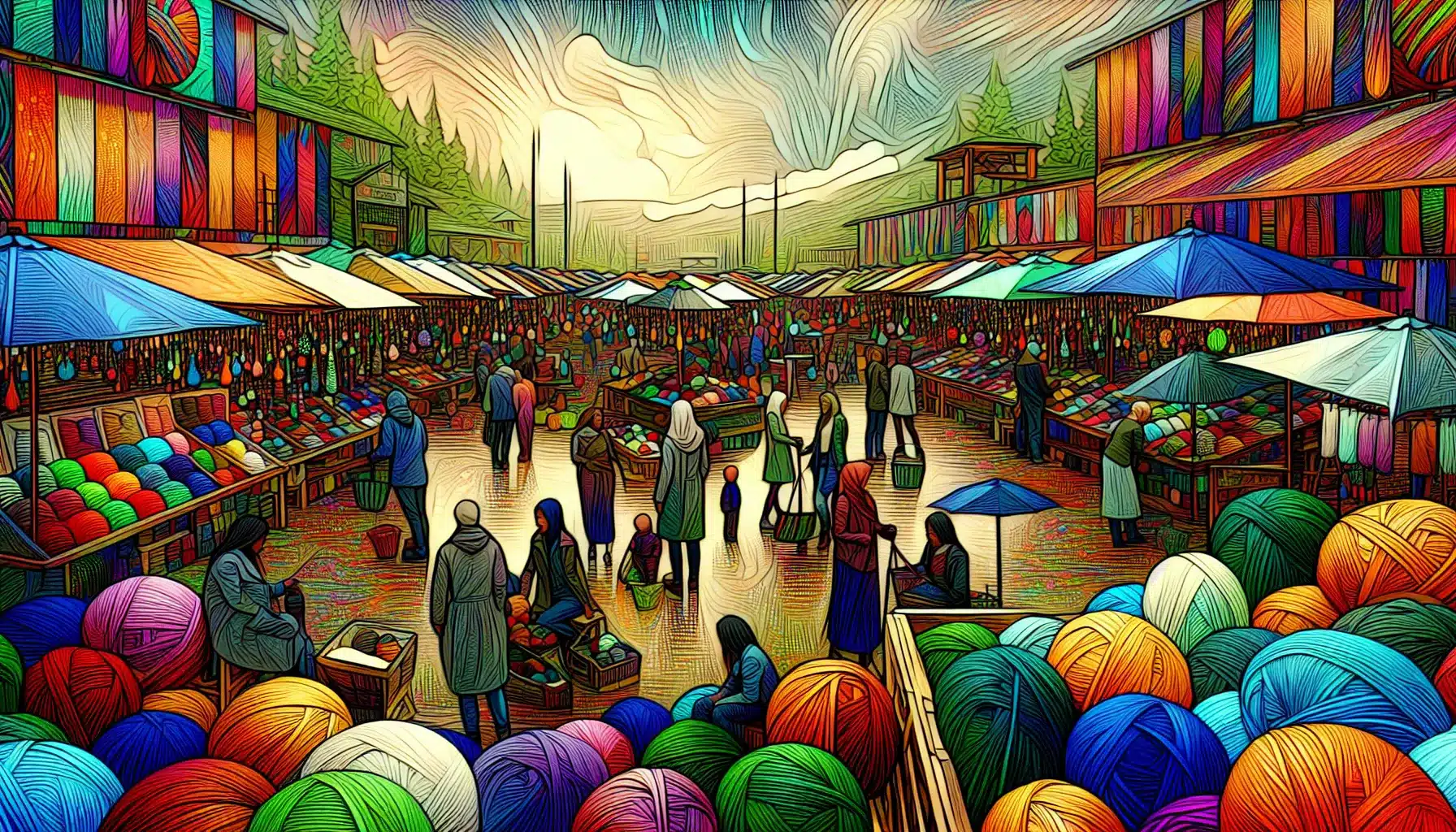
Welcome to the wild side of knitting, where your needles don’t just knit—they dance, juggle, and occasionally throw a tantrum. If you’re itching to level up your knitting skill improvement, colorwork knitting and the intarsia knitting technique are your ticket to the ultimate yarn party. Forget plain scarves—think bold, complex knitting patterns that make jaws drop and fellow knitters gasp in awe (or horror).
Intarsia: Painting With Yarn
Let’s bust a myth: intarsia isn’t just for giant blocks of color. It’s basically painting with yarn, but instead of brushes, you wield needles and a small army of bobbins. Want a roaring tiger on your sweater? A geometric explosion? Intarsia’s your best friend. Each color section gets its own little ball of yarn, so you can create intricate images without floats running across the back.
But beware: managing all those yarns is not for the faint of heart. You’ll need to keep your strands organized, your tension even, and your patience at superhero levels. Pro tip: use bobbins or butterfly wraps to keep things tidy, and always twist yarns at color changes to avoid holes. And yes, you will tangle your yarn. It’s a rite of passage.
Colorwork: Fair Isle, Tapestry, and Beyond
If intarsia is painting, stranded colorwork (like Fair Isle) is more like weaving a tapestry. Here, you carry two or more colors across each row, trapping floats behind your work. The result? Stunning, multicolored motifs that look impossibly complex. My own colorwork saga once involved six colors in a single row—only to realize I’d knit the whole thing inside out. Oops. Let’s call it a design choice.
Chasing intricate Fair Isle or tapestry-style motifs is both a joy and a horror. The patterns are mesmerizing, but keeping your floats loose (but not too loose!) and your edges crisp can feel like extreme sports. Lifeline tip: always track your rows, or chaos (and tangled yarn) may ensue.
“Colorwork is a dance; sometimes you step on toes, but the results are stunning.” – Kaffe Fassett
Key Skills and Common Challenges
| Skill | Difficulty (1-10) |
|---|---|
| Patience | 10 |
| Yarn management | 9 |
| Chart-reading | 8 |
| Common Issues |
|---|
| Tangled yarn |
| Uneven tension |
| Color changes on edges |
Tips for Success
- Use high-contrast yarns for bold patterns.
- Invest in stitch markers and row counters—your future self will thank you.
- Practice on small swatches before tackling a full sweater.
- Don’t be afraid to frog (rip out) mistakes—every knitter does it.
With colorwork knitting and intarsia knitting technique, your needles are ready to party. Just remember: patience, practice, and a sense of humor are your best tools for tackling complex knitting patterns and pushing your creative boundaries.
Unusual Tools, Unwritten Rules: Tips for the Brave & the Bold
Welcome to the wild side of knitting, where your grandma’s needles would blush and your notions pouch is basically a superhero utility belt. If you’re tackling advanced knitting challenges, you already know that the right knitting tools for complex patterns are the difference between a masterpiece and a tangled mess that even your cat won’t touch. So, let’s talk about the gadgets, gizmos, and practical knitting tips that will help you conquer those wild patterns—and maybe even enjoy the ride.
First, did you know there are knitting needles that light up for nighttime projects? Yes, you can now knit in the dark like a cozy ninja. But the real MVPs of advanced knitting are the humble lifeline, the ever-loyal stitch marker, and the mighty blocking wire. Think of them as your toolkit superheroes, swooping in to save you from dropped stitches, lost rows, and the dreaded “where did I go wrong?” moment. Specialized tools are the quickest way to level up, avoid frustration, and—let’s be honest—have way more fun.
Let’s get practical. Lifelines are your best friend when you’re deep in a complex lace pattern or a cable jungle. Thread a contrasting yarn through your stitches at regular intervals, and if disaster strikes, you can rip back to safety without losing your mind (or your entire project). Stitch markers? Use them liberally. They’re not just for beginners—they’re sanity savers for advanced knitters, too, especially when chart reading is involved. And don’t forget blocking wires: nothing says “I finished this and I’m proud” like a perfectly blocked shawl with crisp edges.
Speaking of charts, mastering chart reading is a must for anyone serious about advanced knitting pattern tutorials. It’s like learning a new language—awkward at first, but soon you’ll be fluent. Set aside 30 minutes a day for chart-reading practice to keep your skills sharp and your confidence high. Remember, learning when and how to use your tools is just as important as learning new stitches. As Franklin Habit wisely said:
“Good tools make great knitting—bad tools make you invent new curse words.”
Here’s a quick look at the essential advanced knitter tools you’ll want in your arsenal:
| Tool | Purpose |
|---|---|
| Cable Needle | For intricate cable twists |
| Stitch Marker Set | Track repeats, pattern changes |
| Lifeline | Insurance against mistakes |
| Chart-Reading Practice | 30 min/day for skill retention |
Practical wisdom from the trenches: always count twice, knit once (unless you like surprises). Advanced knitting isn’t just about fancy stitches—it’s about mastering construction, reading patterns like a pro, and knowing when to call in reinforcements (ahem, your tools). So grab your light-up needles, channel your inner superhero, and remember: the right gadget can make or break your project. Stay bold, stay brave, and may your yarn never tangle!
TL;DR: Try advanced knitting techniques—from cable magic to colorwork challenges—to turbocharge your skills, embrace modern fibers, and make projects you’ll want to brag about (cat bow tie optional).