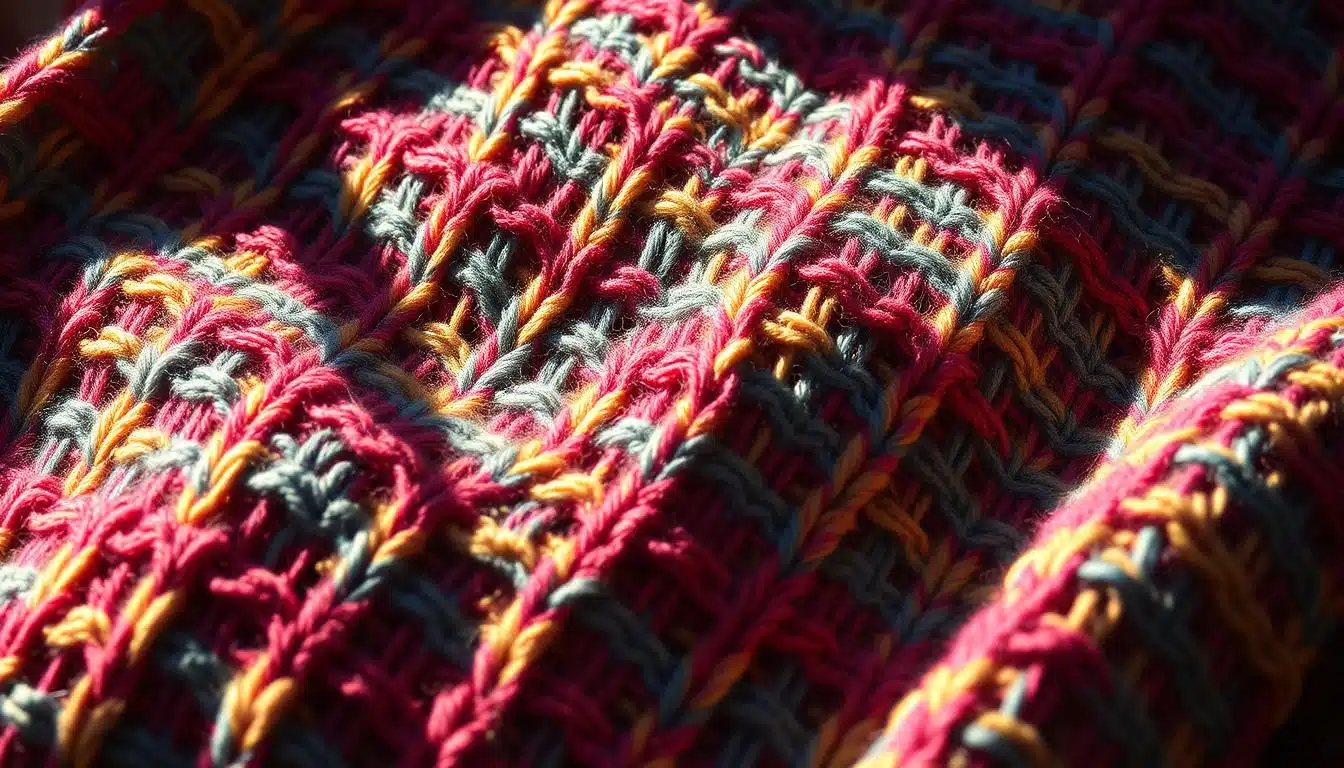
If you love knitting with colors but struggle with tangles and uneven floats, this article is for you. You’ll learn stranded knitting tips to make colorwork knitting fun and easy. We’ll share practical tips to help you plan, start, and finish your projects smoothly.
Good planning, the right tools, and smart yarn choices make all the difference. You’ll discover how to use graph paper to speed up your designs. We’ll also cover how to avoid frustration with ladderback jacquard and long-float solutions. Plus, we’ll discuss why starting with a mitten might be better than a full yoke.
Our advice comes from experts like Elizabeth Zimmermann and the latest online tutorials. You’ll find links to troubleshooting guides, including a quick fix guide at fix knitting mistakes. We’ll also share tips on managing tension, color dominance, and workflow hacks. By the end, you’ll have the skills to make Fair Isle and stranded colorwork a breeze.
Key Takeaways
- Plan patterns on graph paper before you cast on to avoid mid-project headaches.
- Choose wool or wool-blend yarns for stitch definition and easy blocking.
- Practice float control techniques like ladderback jacquard to manage long strands.
- Start small—mittens or socks—before tackling sweater yokes.
- Keep notes, photos, and a clear color key so future projects are faster and cleaner.
Why Planning Makes Colorwork Fun (and Less Chaotic)
Planning before you start knitting makes it a calm puzzle, not a chaotic race. Good planning cuts down mistakes and makes color choices clear. It also helps you see tension problems before they start.
Breaking down motifs into smaller steps makes each row enjoyable. This way, you can focus on the fun of knitting.
Benefits of planning before you cast on
Sketching out motifs and testing a small swatch saves time. It lets you find and fix problems early. Counting yarn ahead of time prevents running out mid-project.
Using stitch markers and simple notes keeps your work neat. This helps you stay on track and avoid mistakes.
How graph paper tailored for knitting saves time and frustration
Knitting graph paper helps your stitches line up perfectly. You can try out colors and repeats without wasting yarn. For more tips, check out Queen Bee Knits tools for templates and advice.
Choosing project size wisely: mittens, socks, or sweaters
Start with small projects like mittens and socks. They help you practice working with colors and gauge. They also let you see how colors look after blocking without spending too much yarn.
Once you’re confident, move on to sweaters. Sweaters need more planning for repeats, shaping, and yarn. Think of mittens and socks as practice for bigger projects.
- Plan motifs on knitting graph paper before cutting yarn.
- Swatch to check dominance and blocking behavior.
- Track yarn quantities so you finish without panic.
Essential Tools for Successful Stranded Knitting
Start with the right kit and your colorwork will behave. You need a selection of needles sized to your yarn weight. Change needle size if stitch definition looks soft.
Keep a yarn bowl near your chair so skeins feed smoothly without chasing tangles across the room.
Stash a handful of stitch markers for repeats and pattern breaks. A tapestry needle and a small crochet hook rescue dropped stitches and tame floats. Consider reliable yarns like Jamieson’s Shetland Spindrift, Blue Sky Fibers Woolstok, Brown Sheep Nature Spun, or Rowan Felted Tweed when you want clear contrast and long-wearing fabric.
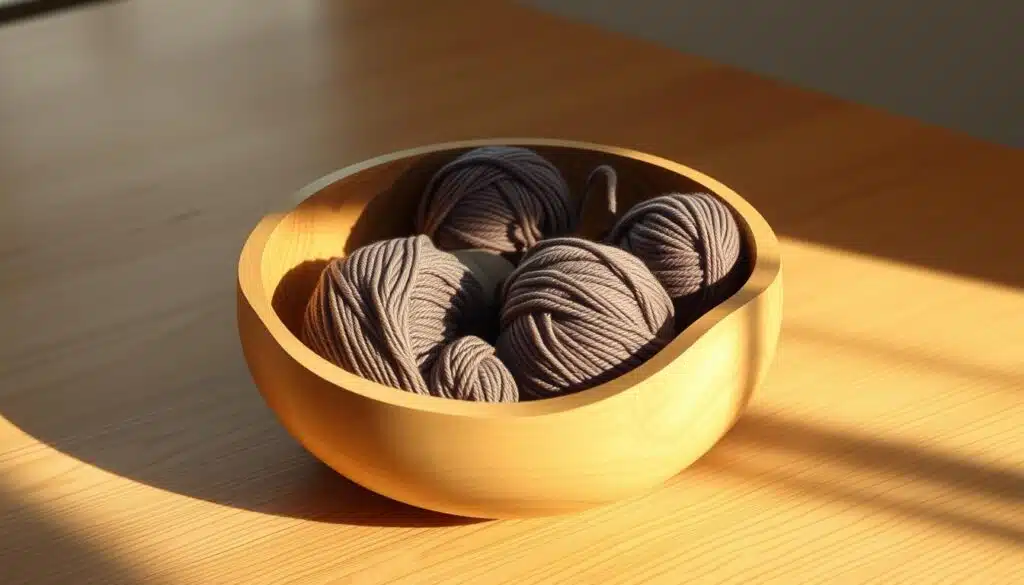
Must-have basics: needles, yarn bowl, stitch markers
Pick needles that match the gauge you want. Brass or nickel-plated needles give a bit of slip for stranded sections. Use a yarn bowl to stop rolling and reduce knots.
Place stitch markers at pattern repeats so you can glance and keep your place.
Carry a small toolkit: scissors, spare needles, a tapestry needle, and a crochet hook. These simple knitting tools save time when you ladder down, fix a float, or graft a thumb.
Digital vs printable graph paper: pros and cons
Digital graphing tools let you tweak color, move motifs, and save palettes instantly. You can import a photo and pick shades that match your yarn. Many knitting apps support adjustable grids and easy repeats.
Printable graph paper stays tactile and free of device distractions. You can sketch on the fly while watching TV. Use knitting-specific grids so squares match your stitch-and-row gauge.
Useful templates and apps to map motifs and repeats
Templates speed up planning for Fair Isle motifs, mosaic repeats, or duplicate-stitch overlays. Save templates to keep motif spacing consistent across a yoke or cuff. Good knitting apps let you copy repeats, lock a palette, and export charts for printing.
| Tool | Best for | Why it helps |
|---|---|---|
| Needle set (various sizes) | Gauge tuning | Swap sizes to refine stitch definition and fabric drape |
| Yarn bowl | Skein control | Keeps yarn feeding smoothly, prevents tangles and rolling |
| Stitch markers | Repeat tracking | Marks pattern breaks and helps you stay oriented on complex charts |
| Printable graph paper | Hands-on sketching | Easy, tactile planning with no tech learning curve |
| Knitting apps | Digital editing | Adjust grids, save palettes, import photos, and map repeats quickly |
| Tapestry needle & crochet hook | Repairs and finishing | Fix dropped stitches, ladder down cleanly, and tidy floats |
Yarn Selection and Color Strategies for Maximum Impact
Choosing yarn gives your colorwork its unique touch. Pick the right fiber and weight for your design. This ensures your motifs are clear and easy to see. Use tests and visual tools to be sure before starting.
Start with fibers that keep your stitches neat. Wool is great because it has bounce and grip. This helps control floats and keeps tension even. Brands like Jamieson’s Shetland Spindrift and Blue Sky Fibers Woolstok offer reliable textures.
Best yarn for colorwork depends on your design. Fingering is good for traditional Fair Isle yokes. Sport to DK is better for finer motifs that need more body. Choose a weight that matches your pattern for crisp motifs.
Wool is perfect for authentic contrast in Fair Isle. Its elasticity keeps stitches full. Its halo can soften edges for a heritage look. For sharp definition, go for plied, smooth yarns.
Hand-dyed skeins can vary. Test them before committing. Knit small swatches and block them. Check how tonal shifts and pooling look against your background.
Test several skeins from the same dye lot if you can. If they differ, swap stitches or alternate rounds. This keeps your motif clear and avoids surprises.
Use your phone for quick comparisons. Take clear photos in daylight. Build palette photos to save combinations. Save images in apps or folders labeled by project.
Compare combinations side-by-side on screen. High contrast makes motifs pop. Subtle hues create softer, layered effects. Choose based on your design aim and color dominance.
Keep a simple table to track tests, yarn brand, weight, and notes. This helps you pick the best yarn for colorwork next time without guessing.
- Try Jamieson’s Shetland Spindrift for sticky, lightweight texture.
- Choose Blue Sky Fibers Woolstok for plied smoothness and range.
- Use Brown Sheep Nature Spun for sturdy, even stitches.
- Pick Rowan Felted Tweed for muted, tweedy palettes.
Small swatches, photos, and careful testing save time and heartbreak. Pair these steps with careful yarn selection. Your motifs will shine as you intended.
Stranded Knitting Tips
First, choose which color will stand out in your project. The color that pops most is key to how your pattern looks. Hold the dominant yarn in your preferred hand and knit a small swatch. This confirms the color looks right.
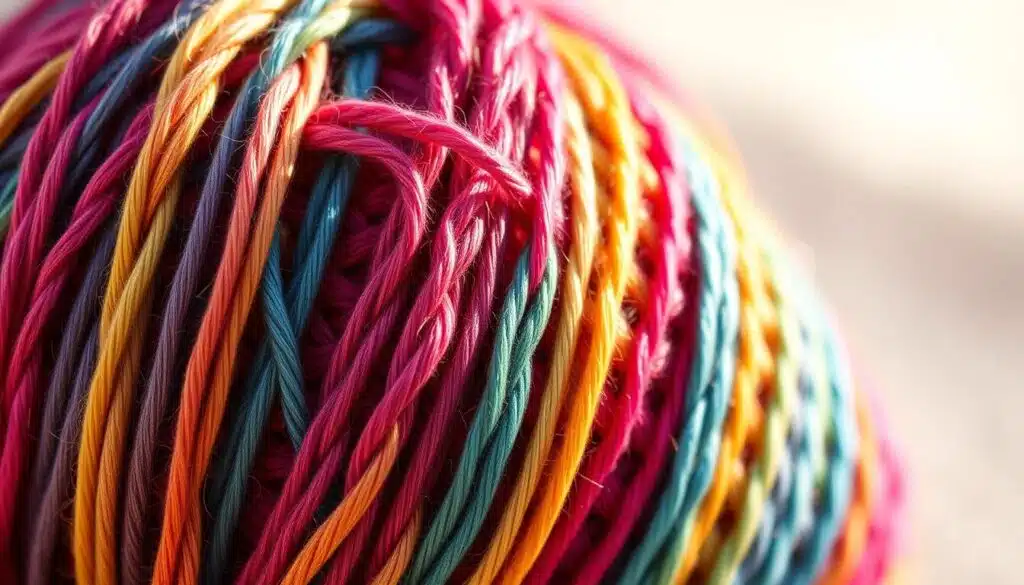
Managing color dominance so your pattern reads the way you intend
Decide on the dominant color before starting. This choice affects how your stitches and borders look. If your pattern seems unclear, try switching which color you hold in your dominant hand. Then, re-swatches until it looks right.
Float control techniques: catching floats, twisting, and ladderback jacquard
Short floats are easier to manage. Catch them every 3–5 stitches to prevent sagging. For long floats, twist the yarns to keep them from snagging.
Ladderback jacquard is great for long floats in round projects. Tutorials from experts can teach you how to create a neat ladder. This supports your floats and keeps your motifs sharp.
Tension tricks: holding colors, stretching stitches, and practice swatches
Controlling tension starts with how you hold the yarn. Try holding one color in each hand and experiment with different styles. You’ll find a method that makes your colorwork smoother.
On tricky rows, stretch your stitches slightly. This creates room for your floats. Knit many small swatches to see how these changes affect your work. The real learning happens in practice, not theory.
Keep these tips handy while you work. They help you manage color dominance, control floats, and keep tension in check. This way, your pattern will turn out just as you imagined.
Swatching, Gauge, and Needle Choices for Flawless Colorwork
Before starting your project, take a moment to make a proper swatch. A multi-color sample with the same motifs and yarns as your project will give you valuable insights. Include several repeats and a border to check how floats and stitches look after blocking.
How to swatch for stranded projects and why blocking matters
Make your swatch at least 6–8 inches wide to see how patterns repeat. Use the same needles, yarns, and color order as your project. Leave extra stitches at the edges for natural float placement.
Wet blocking or gentle steam can even out stitches and show the fabric’s true nature. After blocking, measure your swatch again. This final measurement will give you a reliable gauge for your knitting.
When to change needle size to refine stitch definition
If your motifs seem fuzzy or floats are too wide, try a smaller needle. This will tighten stitches and make patterns clearer. If your fabric feels stiff or puckers, use a larger needle for a softer drape. You might need to adjust needle sizes for different parts of your project to get the best stitch definition.
Some knitters use a slightly smaller needle for colorwork rounds and a larger one for plain sections. This helps keep motifs sharp without affecting the overall fit too much.
Troubleshooting a gauge that’s off by a stitch
Being off by one stitch per inch is common and can be fixed. Check your tension, re-block a swatch, and look at whether floats or chart repeats are affecting your measurements. If needed, change needle size or adjust stitch counts in pattern repeats to get your gauge back on track.
If pattern shaping is off, look at troubleshooting guides or pattern notes for fixes. Small adjustments to stitch counts can often fix fit issues without a lot of rework.
| Problem | Quick Test | Fix |
|---|---|---|
| Motifs look blurry | Compare blocked swatch to chart at true size | Change needle size down one, re-swatch, check floats |
| Fabric too tight | Fold swatch for drape and hand feel | Go up one needle size; relax tension while working |
| Floats too long | Measure float length across repeats | Add grab/twist points or widen background border |
| Gauge off by one stitch | Block swatch, then count stitches per inch | Change needle size or alter repeat stitch counts per guide |
| Pattern pulling at seams | Lay swatch against finished seams | Adjust shaping placement or tweak stitch count in rounds |
Techniques and Knitting Styles That Help Colorwork Flow
Getting colorwork to look effortless requires a blend of hand technique and smart shortcuts. Small changes in how you hold the yarn and place the needle can make a big difference. These tweaks help motifs sit cleanly and keep floats tidy. Below you’ll find practical options to test on a swatch before you commit to a full project.
Continental vs. English style for two-handed yarn control
Try continental vs English to see which gives steadier tension for stranded knitting. Continental, with yarn held in your left hand, often speeds up color changes. English, with yarn in the right hand, may feel more natural if you’ve always knit that way. Practice both on small charts to find which keeps your floats even and your pattern readable.
Right needle placement and stitch alignment for clean motifs
Pay attention to where the right needle enters the stitch when you change colors. Correct placement keeps motif edges crisp and prevents twisted stitches. Align your next stitch so the new color sits forward or back consistently. This habit yields neater wrong-side floats and reduces bulk where motifs meet.
When to try ladderback jacquard, duplicate stitch, or mosaic as alternatives
Long floats can weigh a garment down. Ladderback jacquard gives you clearer stranded colorwork with fewer pulled floats on big pieces. Use duplicate stitch to add or correct motifs after knitting. Mosaic knitting offers a two-color slip-stitch look with less yarn juggling during the row. Each method trades off bulk, float length, and speed—pick the one that matches your project goals.
Below is a compact comparison to help you choose. Test each technique on a swatch sized to your project so you can judge drape, stitch definition, and ease of finishing.
| Technique | Best For | Pros | Cons |
|---|---|---|---|
| Continental vs English | Two-handed color control | Faster color carries, consistent tension, suitable for dense charts | Learning curve if you switch hands, may feel awkward at first |
| Ladderback jacquard | Large garments with long floats | Cleaner wrong side, stabilized floats, clearer motifs at scale | Slightly bulkier fabric, extra yarn in the ladderback |
| Duplicate stitch | Corrections and added motifs | Precise placement, no reknitting, great for embellishment | Time-consuming for large areas, adds surface yarn |
| Mosaic knitting | Two-color appearance with less juggling | Less yarn handling, crisp pattern with slipped stitches | Limited to patterns that suit slipped-stitch geometry |
Organization, Notes, and Workflow Hacks to Keep Your Project Moving
You want your colorwork project to be fun, not stressful. Good project organization starts with simple systems. These save time and prevent frustration. Keep your notes short and clear for easy pick-up.
Begin by creating reliable color keys and knitting notes. Label each color with yarn brand, dye lot, and needle size. Add a quick note when you change a repeat or alter color dominance. These logs are lifesavers after a break.
Save chart versions to track edits. Keep a printed copy marked with a highlighter and a digital copy in an app or cloud folder. Take photos of your progress and back-of-work shots for later reference.
Yarn inventory prevents project stalls. Note yardage used and skeins left in a notebook or app. Photograph swatches next to labels for quick dye lot matching when shopping.
To avoid yarn tangles, use weighted bobbins, yarn bowls, or small plastic bobbins. Arrange skeins to unwind the same way and rotate them as you knit. Use small zip pouches or containers for travel to prevent twisting.
Small workflow hacks help keep focus. Use sticky notes or a magnetic board to mark your current row. A paper template or row counter highlights repeats. Place stitch markers at motif edges to prevent miscounts. These tools make complex charts easier to manage.
Try a short table to compare quick storage options and their best uses.
| Storage Method | Best For | Benefit |
|---|---|---|
| Yarn bowl | One active skein | Smooth feed, minimal rolling |
| Weighted bobbins | Small color sections | Prevents slack and tangles |
| Plastic bobbins | Short stranded repeats | Compact, easy to label |
| Zip pouches | Knitting on the go | Keeps colors separate and portable |
Keep your system light and consistent. Regularly update your notes and chart versions. Photograph yarn and swatches, and adopt habits to prevent tangles. Your future self will thank you for a smooth project journey from start to finish.
Advanced Tricks to Elevate Your Finished Pieces
You want your colorwork to look like it sprang from a designer’s sketch, not a frantic late-night experiment. Focus on subtle shaping and smart decrease placements so motifs stay true, even around collars and cuffs. Small moves keep symmetry and let your yoke read as one continuous design.
Plan decreases where they least interrupt major motifs. Place them between pattern repeats or inside narrow border motifs. When you map decreases on chart paper or an app, the result is cleaner shaping and fewer odd gaps.
When you combine cables and colorwork, match yarn weight and needle size so cables don’t overwhelm stranded panels. Put cables in plain-color columns or alternate textured and stranded bands to balance fabric bulk.
Test a small swatch that shows both cable twists and stranded stitches. That lets you adjust tension and tweak charts before you commit to a sweater or shawl.
Finishing colorwork well is what makes a project feel professional. Use careful blocking to even stitch tension and set the fabric. Seam with matching motifs aligned so joins vanish into the pattern.
Secure long floats with ladderback jacquard or small catch stitches to avoid holes and preserve stretch. Trim only after floats are anchored, then re-block the seam for a smooth edge.
Below is a quick reference to help you decide which tactic fits common problems. Use it while you plan shaping, try combining textures, or focus on finishing colorwork for a polished result.
| Issue | Quick Fix | Recommended Test |
|---|---|---|
| Motif distortion at crown or yoke | Move decrease placements between repeats; use evenly spaced single decreases | Chart the row and knit a 2″ band to check alignment |
| Cables bulking next to stranded panels | Place cables in plain-color strips; reduce cable frequency or use smaller needles | Knit a cable-stranded swatch and measure drape after blocking |
| Gaps where floats cross seams | Catch floats with ladderback or small securing stitches; avoid trimming until anchored | Seam a patch and test stretch over a wrist or neck form |
| Uneven stitch definition after finishing | Re-block with steam or wet block; press gently to set motifs | Block swatch, let dry, then compare before/after photos |
Conclusion
You’ve reached the end of our stranded knitting guide. Start by using knitting graph paper to plan your project. Swatch and block your work to ensure it fits right. Choose wool or plied yarns for clear stitch definition.
Control your floats by catching, twisting, or using ladderback jacquard. Try both continental and English knitting styles until you find what works best for you. These tips will help you avoid common mistakes and achieve the look you want.
Begin with simple projects like mittens or socks. They let you practice repeat motifs and two-color rounds without feeling overwhelmed. If stranded knitting seems too hard, try mosaic or duplicate stitch to build your confidence. Then, move on to more complex yokes.
Keep detailed notes, photos, and yarn inventories. This way, you can repeat your successes and learn from any mistakes. For more help, try the free printable knitting pattern graph paper and look up tutorials on ladderback jacquard and stranded colorwork.
Read Elizabeth Zimmermann’s Knitting Workshop for basic skills. Look to established designers and yarn brands for inspiration. This list of tips is your guide to mastering colorwork. Now, you have the tools and knowledge to create stunning colorwork.
For a beginner’s guide and recommended patterns like Lucerne, Morse, Seeds, and Sommers, visit Brooklyn Tweed’s stranded colorwork 101: stranded colorwork 101. Use this guide as you learn and grow. Remember, practice and curiosity are key to improving your colorwork skills.
FAQ
Why should I plan my stranded colorwork before casting on?
Planning makes the process easier. Sketching on knitting-specific graph paper helps. It lets you plan row-by-row or stitch-by-stitch.
This approach reduces errors and helps decide on color dominance. It also prevents uneven tension and lets you see stitch proportions before starting.
How does knitting graph paper actually save time and frustration?
Knitting graph paper ensures stitch proportions match. This means motifs align perfectly. You can draw freely on printable options and test repeats without tech issues.
Digital tools let you drag-and-drop colors and save palettes. Importing photos is easy for quick changes. Both methods speed up decision-making and avoid costly mistakes.
What project size should I start with to practice stranded technique?
Start with small projects like mittens and socks. They let you practice color dominance and float control. This is in a compact, forgiving format.
Once you’re comfortable, you can move on to larger projects like sweaters or yokes.
What physical tools are must-haves for successful stranded knitting?
You’ll need a few needle sizes for different yarn weights. Use yarn bowls or weighted holders to prevent tangles. Mark repeats with stitch markers.
A tapestry or crochet hook is handy for laddering down or fixing mistakes. These tools make complex colorwork easier.
Should I use digital or printable graph paper for planning?
Both digital and printable graph paper have their benefits. Digital tools save palettes and let you tweak repeats instantly. You can pull colors from photos.
Printable is tactile and great for freestyle creativity. Use knitting-specific grids for accurate stitch counts.
Which apps or templates help map Fair Isle repeats and motifs?
Look for apps and simple software with adjustable grids and color-palette saving. They should also map repeats. Printable templates for Fair Isle, mosaic, and duplicate stitch are useful too.
Save templates to keep larger yokes consistent.
What yarns and weights work best for stranded colorwork?
Wool is usually best for its elasticity and “grip.” Recommended yarns include Jamieson’s Shetland Spindrift, Blue Sky Fibers Woolstok, Brown Sheep Nature Spun, and Rowan Felted Tweed.
Match the weight of your yarn to your design. Fingering for traditional Fair Isle, sport to DK for finer motifs.
How do I test hand-dyed or tonal yarns so motifs read clearly?
Swatch several skeins and block them. Hand-dyed skeins vary, so test contrast against your background color. Blocking shows the final look.
You can adjust needle size or color choices if tonal shifts obscure motifs.
How does phone photos and saved palettes help my color choices?
Take phone photos to compare yarn combos side-by-side. Import photos into digital planning tools and extract palettes. Saved palettes make it easy to reuse effective combos.
High contrast makes patterns pop; subtler hues soften the effect. Choose based on the look you want.
What is color dominance and how do I manage it?
Color dominance is which yarn visually reads as the foreground. Decide which color you want to pop, then hold it in the hand you naturally favor.
Planning dominance in your chart avoids surprise shifts in how motifs read.
What are the best ways to control floats so fabric doesn’t sag?
Catch floats every 3–5 stitches, twist yarns when floats get long, or use ladderback jacquard for long floats in large, in-the-round pieces. These methods keep the wrong side tidy and the fabric stable.
What’s the best way to manage multiple yarns and prevent tangles?
Use yarn bowls, weighted holders, or plastic bobbins for small quantities. Arrange skeins to unwind the same direction, rotate skeins to avoid twisting, and consider separate containers for portable knitting.
Any workflow hacks to keep complex stranded projects calm?
Use templates to mark repeats, sticky notes or magnetic boards to track rows, and stitch markers to mark pattern boundaries. Small systems like these cut cognitive load and keep progress steady.
How should I plan decreases and shaping so motifs aren’t ruined?
Place decreases where they least disrupt major motifs and align shaping with chart repeats. Many patterns and tutorials show how to integrate decreases into yokes and cuffs without breaking visual flow.
How do I combine cables with stranded motifs without creating bulk problems?
Balance texture and color: put cables in plain-color panels or use small stranded motifs next to cable columns. Match stitch gauges and choose yarns that keep fabric drape consistent.
What finishing touches make stranded pieces look polished?
Block pieces to even stitches, seam carefully to preserve motif alignment, secure or trim floats (use ladderback or catch floats), and use duplicate stitch or Ceylon stitch for tidy repairs and reinforcements.
How should I test and manage yarn quantities to avoid running out mid-project?
Swatch and estimate yardage from your swatch, photograph skeins, and record remaining yardage as you work. Buying extra skeins from the same dye lot or testing several skeins of hand-dyed yarn helps avoid surprises.
Where can I learn ladderback jacquard and other advanced float-control methods?
Look for tutorials from makers and sites that demonstrate ladderback jacquard, and consult online stranded colorwork guides. Elizabeth Zimmermann’s Knitting Workshop is a great foundational read for technique and problem-solving.
What are the key takeaways for someone ready to improve stranded knitting?
Plan with knitting graph paper, swatch and block, choose wool or plied yarns like Jamieson’s Shetland Spindrift or Blue Sky Fibers Woolstok for clear definition, control floats (catch/twist or ladderback), experiment with knitting style, and keep meticulous notes and photos. Start small, iterate, and have fun.