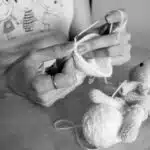
In our fast-paced world of 2026, finding moments of peace and presence has become increasingly valuable. While mindful knitting has gained recognition through resources like Mindful.org, the same meditative principles apply beautifully to crochet, particularly in the focused practice of creating amigurumi. These fiber arts offer more than just creative output—they provide a pathway to mindfulness, stress reduction, and mental well-being.
The rhythmic, repetitive motions of crochet naturally encourage a meditative state where the mind can settle and focus on the present moment. Each stitch becomes an anchor to the here and now, creating a practice that combines creativity with conscious awareness.
Understanding Mindfulness in Fiber Arts
Mindfulness is the practice of bringing full attention to the present moment without judgment. When applied to crochet, this ancient contemplative practice transforms a simple craft into a powerful tool for mental health and emotional balance. Mindful crochet involves paying deliberate attention to each aspect of the crafting process—the texture of the yarn, the movement of the hook, the formation of each stitch.

Research has consistently shown that engaging in mindful activities can reduce anxiety, improve focus, and enhance overall well-being. According to Britannica’s exploration of meditation practices, repetitive, focused activities have been used for centuries as pathways to mental clarity and peace. Crochet naturally incorporates these elements through its rhythmic stitching patterns.
Unlike passive meditation, crochet provides the added benefit of creating something tangible. This combination of mindful awareness and productive creativity offers a particularly satisfying experience. As your hands move through familiar patterns, your mind can release worries about the past or future, settling into the calm rhythm of the present stitch.
The Science Behind Craft-Based Meditation
The connection between repetitive crafting and stress reduction is supported by neuroscience. When we engage in focused, repetitive activities like crochet, our brains enter a state similar to meditation. This state activates the parasympathetic nervous system, which promotes relaxation and reduces the production of stress hormones like cortisol.

The bilateral movement of hands during crochet—particularly when working amigurumi in the round—creates a balanced stimulation of both brain hemispheres. This bilateral stimulation has been associated with emotional processing and stress reduction. Additionally, the focus required to follow patterns and count stitches engages the mind just enough to prevent rumination without causing mental strain.
Sleep quality is another area where mindful crafting shows promise. Engaging in calming, creative activities before bedtime can help establish healthy sleep routines. According to the Sleep Foundation, relaxing pre-sleep activities that don’t involve screens can significantly improve sleep quality. An evening crochet session provides the perfect wind-down activity, allowing the mind to transition from the day’s stresses to a more peaceful state.
The sense of accomplishment that comes from completing a project, even a small amigurumi piece, triggers the release of dopamine. This neurotransmitter is associated with pleasure and motivation, creating a positive feedback loop that encourages continued practice and reinforces the calming effects of the craft.
Creating a Mindful Crochet Practice
Establishing a mindful crochet practice doesn’t require elaborate preparation or special equipment. It simply involves bringing intentional awareness to your crafting sessions. Begin by creating a comfortable, distraction-free space where you can focus on your work. This might be a favorite chair with good lighting, a corner of your home that feels peaceful, or even a spot in nature when weather permits.

Start each session with a moment of intention. Take three deep breaths and set a simple goal for your practice—perhaps to complete a certain number of rounds, or simply to be present with each stitch for the next twenty minutes. This brief ritual signals to your mind that you’re entering a mindful state.
As you work, pay attention to the sensory experience of crochet. Notice the weight and texture of the yarn as it slides through your fingers. Feel the smooth surface of the crochet hook. Observe the transformation of a simple strand into structured fabric. When your mind wanders—and it will—gently bring your attention back to these physical sensations without self-criticism.
Choose projects that support your mindfulness goals. For beginners, simple patterns with repetitive stitches work wonderfully. Amigurumi projects are particularly well-suited to mindful practice because they typically use basic stitches in meditative rounds. The gradual growth of a three-dimensional form provides visible progress that can be deeply satisfying.
Amigurumi as a Gateway to Mindful Making
Amigurumi—the Japanese art of crocheting small, stuffed creatures and objects—offers unique advantages for mindful crochet practice. These projects typically work in continuous spirals, creating a natural flow that encourages sustained focus. The small scale means projects complete relatively quickly, providing regular experiences of accomplishment that boost mood and motivation.
The process of creating an amigurumi piece from start to finish encompasses several stages, each offering different mindfulness opportunities. Pattern reading requires focused attention and present-moment awareness. The repetitive stitching of body parts creates a meditative rhythm. Assembly and finishing demand careful attention to detail, fostering patience and precision.
For those new to both crochet and mindfulness, starting with simple amigurumi patterns creates an accessible entry point. Basic shapes like spheres, cylinders, and cones form the foundation of countless designs. Mastering these fundamentals through mindful practice builds both technical skill and mental discipline.
The playful nature of amigurumi also brings joy and lightheartedness to the practice. Creating whimsical animals, food items, or fantasy creatures can spark creativity and positive emotions. This element of play is itself a form of mindfulness—being fully engaged in the present moment with openness and curiosity.
Overcoming Common Challenges Mindfully
Every crocheter encounters challenges, from dropped stitches to confusing pattern instructions. How we respond to these difficulties can either enhance or diminish the mindful quality of our practice. When mistakes happen—and they will—view them as opportunities to practice patience and non-judgment rather than sources of frustration.
If you find yourself becoming tense or frustrated, pause and take three conscious breaths. Remember that perfection isn’t the goal; presence is. Sometimes the “mistakes” in handmade items become their most charming features, reminders of the human hands that created them.
Counting stitches can challenge concentration, especially when working complex increases or decreases. Rather than seeing this as a distraction from mindfulness, recognize it as an opportunity to practice focused attention. Use stitch markers as gentle reminders to stay present with your work.
For those with busy minds, the structure of following a pattern can actually support mindfulness by giving the thinking mind a task while allowing deeper awareness to settle in. The pattern becomes like a guided meditation, leading you through each step with clear direction.
Building Community Through Mindful Making
While mindfulness is often associated with solitary practice, sharing your journey with others can deepen the experience. Online communities, local crochet groups, and crafting circles provide opportunities to connect with fellow makers who understand the meditative power of fiber arts.
These communities offer more than just technical support—they provide encouragement, inspiration, and the reminder that you’re part of a larger tradition of makers. Sharing finished projects, troubleshooting challenges together, and celebrating progress creates meaningful connections that support ongoing practice.
In 2026, digital platforms make it easier than ever to find supportive crochet communities. Video tutorials allow you to learn at your own pace, while forums and social media groups connect you with crocheters worldwide. However, balance digital engagement with the mindful, present-moment focus that makes the craft so valuable for mental well-being.
Consider the mindful practice of creating gifts for others. Crocheting with the intention of bringing joy to someone else adds another dimension of meaning to your work. Each stitch becomes an act of kindness, a meditation on generosity and connection.
Conclusion
The principles of mindful knitting celebrated by resources like Mindful.org translate beautifully to crochet and amigurumi creation. By bringing conscious awareness to each stitch, we transform a simple craft into a powerful practice for mental clarity, stress reduction, and creative expression. Whether you’re working your first magic ring or completing your hundredth amigurumi, the opportunity for mindfulness exists in every moment of making.
As you develop your crochet practice in 2026, remember that the goal isn’t to create perfect projects or master complicated techniques—it’s to be fully present with the process. Each stitch is a small meditation, each project a journey of discovery. With thousands of patterns available and a supportive community ready to guide you, there’s never been a better time to explore the mindful magic of crochet.