Knitting machines have revolutionized the way crafters create fabric, offering speed and precision that hand knitting simply cannot match. While many fiber enthusiasts focus on traditional needlework, understanding knitting machines can broaden your creative horizons and help you appreciate the full spectrum of textile crafts. As of 2026, these mechanical marvels continue to evolve, bridging the gap between handcraft tradition and modern efficiency.
For those passionate about yarn crafts, knitting machines represent an fascinating intersection of technology and creativity. Whether you’re a crocheter curious about related fiber arts or someone considering expanding your crafting repertoire, this comprehensive guide will walk you through everything you need to know about knitting machines, from basic principles to practical applications.
What Are Knitting Machines and How Do They Work
A knitting machine is a mechanical or electronic device that creates knitted fabric using a series of needles arranged in a bed. Unlike hand knitting, which uses two needles manipulated manually, knitting machines can have dozens or even hundreds of needles working simultaneously. The machine interlocks loops of yarn in horizontal rows, creating consistent stitches at remarkable speeds.

The fundamental principle involves hooks or latches on needles that catch and pull yarn through existing loops. As the carriage moves across the needle bed, it engages needles in sequence, creating rows of knitted fabric. This mechanized process can produce a plain stockinette stitch in minutes that would take hours by hand.
Modern knitting machines range from simple manual models to computerized versions that can read patterns and create complex designs automatically. Some machines feature punch cards or digital interfaces that control which needles knit and which skip, enabling intricate colorwork and textured patterns without constant manual intervention.
Types of Knitting Machines Available in 2026
Understanding the different categories of knitting machines helps you appreciate their diverse applications. Flatbed machines are the most common for home use, featuring a straight needle bed ideal for creating flat panels that can be seamed into garments. These machines typically come in standard gauge, mid-gauge, and bulky gauge varieties, each suited to different yarn weights.
Circular knitting machines produce tubular fabric continuously, making them perfect for items like socks, hats, and sleeves. These machines range from small circular sock machines to large industrial models used in commercial production. The circular design eliminates the need for seaming in many projects.
Electronic knitting machines represent the cutting edge of home knitting technology in 2026. These sophisticated devices connect to computers or tablets, allowing crafters to design patterns digitally and watch them come to life automatically. Some models feature built-in pattern libraries and can even download designs from online communities.
According to Britannica, the history of knitting machines dates back centuries, with significant innovations occurring during the Industrial Revolution that transformed textile production worldwide.
Knitting Machines Versus Hand Knitting and Crochet
While knitting machines excel at speed and consistency, they create a fundamentally different experience than hand knitting or crochet. Machine knitting produces uniform fabric quickly, making it ideal for garments that require large quantities of stockinette or ribbing. However, the mechanical process lacks some of the meditative, portable qualities that make hand crafts so beloved.
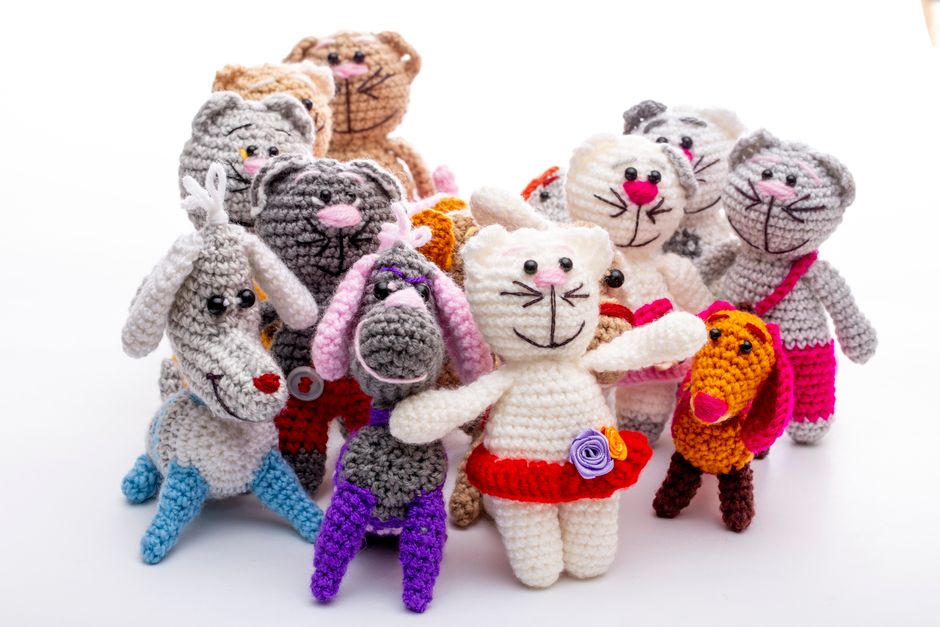
Crochet, which uses a single hook to create interlocking loops, cannot be replicated by traditional knitting machines. The unique structure of crochet stitches and the three-dimensional nature of techniques like amigurumi require human manipulation that machines cannot duplicate. This is why hand crochet remains essential for projects requiring sculptural shaping or the distinctive texture of crochet fabric.
Many fiber artists find that machine knitting and hand crafts complement rather than compete with each other. A crafter might use a knitting machine to quickly produce sweater bodies while adding hand-knitted cables or crocheted edging for personal touches. This hybrid approach combines efficiency with artisanal detail.
The tactile connection between crafter and project differs significantly. Hand knitting and crochet offer direct control over every stitch, allowing for immediate adjustments and creative improvisation. Machine knitting requires upfront planning and setup but rewards that investment with rapid production once the machine is configured correctly.
Practical Applications and Project Possibilities
Knitting machines shine in projects requiring large areas of basic stitches. Sweaters, blankets, scarves, and shawls can be completed in fractions of the time hand knitting would require. A simple stockinette sweater that might take weeks by hand can be machine-knitted in an afternoon, leaving time for finishing details and embellishments.
Small business owners in the handmade goods market often use knitting machines to increase production capacity while maintaining quality. Crafters can create custom-sized garments, produce inventory for craft fairs, or fulfill online orders more efficiently. The consistency machines provide ensures that multiple items in the same pattern look uniform.
Creative experimentation becomes more feasible when the time investment decreases. Machine knitters can test multiple gauges, try different yarn combinations, or create samples without the hours of manual labor. This freedom encourages innovation and skill development.
For those interested in both machine and hand crafts, combining techniques opens new possibilities. Machine-knitted fabric can serve as a base for hand embroidery, duplicate stitch colorwork, or crochet appliqués. Some crafters even deconstruct machine-knitted fabric to create unique textile art pieces.
Learning Curve and Getting Started
Beginning with knitting machines requires different skills than hand knitting or crochet. The mechanical setup, tension adjustment, and troubleshooting involve understanding how the machine functions rather than mastering hand movements. New machine knitters often report a steeper initial learning curve but faster progress once basic operations become familiar.
Investment costs vary widely depending on machine type and features. Entry-level manual machines can be found affordably, while computerized models represent a significant purchase. Many crafters start with vintage machines available through online marketplaces, though finding support and resources for older models can be challenging.
The machine knitting community in 2026 offers robust online support through forums, video tutorials, and social media groups. These resources help newcomers troubleshoot common issues, understand pattern notation, and connect with experienced machine knitters. Many find this community aspect helps offset the solitary nature of working with a machine.
Maintenance requirements differ from hand crafts. Machines need regular cleaning, oiling, and occasional repairs. Understanding basic maintenance prevents frustration and extends machine life. Unlike hand knitting needles or crochet hooks that last indefinitely with minimal care, knitting machines require more active stewardship.
The Future of Machine Knitting and Fiber Arts
As of 2026, knitting machine technology continues advancing with improved computer integration, more intuitive interfaces, and enhanced pattern design software. Some manufacturers are exploring smart features that detect tension issues, suggest corrections, and even predict when maintenance is needed. These innovations make machine knitting more accessible to newcomers while offering experienced crafters powerful new creative tools.
The relationship between traditional hand crafts and machine production remains dynamic. Rather than replacing hand knitting or crochet, machines offer another avenue for creative expression. Many fiber artists appreciate having multiple techniques in their repertoire, choosing the method that best suits each project’s requirements and their creative goals.
Environmental consciousness influences how crafters approach machine knitting. The ability to create custom garments reduces reliance on mass-produced clothing, while the speed of production encourages using quality, sustainable yarns efficiently. Some knitters focus on upcycling yarn from thrift store sweaters, giving new life to materials that might otherwise be discarded.
Educational institutions and makerspaces are increasingly including knitting machines in their textile programs, recognizing their value for both historical understanding and contemporary design. This exposure helps new generations appreciate the technological evolution of textile creation while maintaining connections to traditional hand crafts.
Conclusion
Knitting machines represent a fascinating dimension of fiber arts that complements rather than replaces traditional hand crafts. For crocheters and hand knitters, understanding machine knitting broadens appreciation for the diverse ways humans create with yarn. While machines cannot replicate the unique structure of crochet or the meditative quality of hand work, they offer efficiency and consistency that enable different creative possibilities.
Whether you’re curious about expanding your skills, considering a machine purchase, or simply wanting to understand more about textile production, knitting machines deserve recognition as valuable tools in the modern crafter’s world. As technology advances and the crafting community continues to grow, the conversation between hand and machine methods will undoubtedly yield exciting innovations and beautiful creations.