If you’ve searched “purl soho learn to knit,” you’re likely exploring one of the most beloved resources for fiber arts education. While Purl Soho has built a strong reputation for knitting instruction, the world of yarn crafts extends far beyond a single technique. Whether you’re drawn to knitting, crochet, or amigurumi, understanding the fundamentals of working with yarn opens up countless creative possibilities. This comprehensive guide explores what makes Purl Soho’s approach effective and how you can apply these learning principles to any fiber craft you choose to pursue.
Understanding the Purl Soho Learning Philosophy
Purl Soho has become synonymous with accessible, beginner-friendly instruction in the fiber arts community. Their teaching method emphasizes clear visual guidance, step-by-step progression, and high-quality materials. This philosophy recognizes that learning a new craft requires patience, practice, and the right resources. The same principles that make their knitting tutorials successful apply equally to crochet and amigurumi creation.
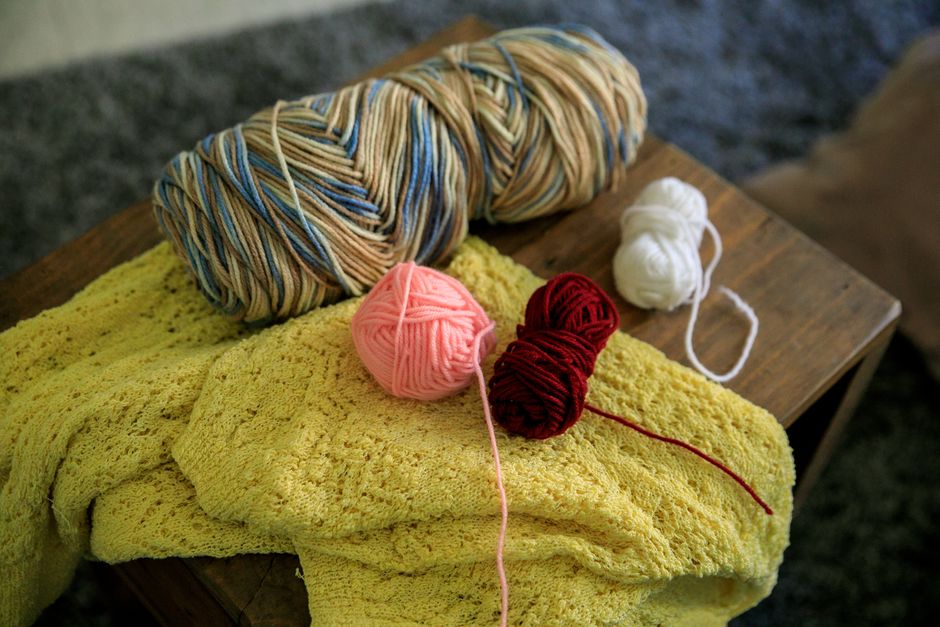
When approaching any yarn craft, the foundation begins with understanding basic stitches, tension control, and pattern reading. These skills transfer across different techniques, meaning time invested in learning one craft often accelerates progress in another. Many crafters find that exploring multiple fiber arts enhances their overall understanding and creativity, allowing them to choose the best technique for each project.
The emphasis on quality instruction matters because early experiences shape long-term success. Clear tutorials prevent the frustration that causes many beginners to abandon their craft before experiencing the satisfaction of completing their first project. Whether you’re following knitting instructions or crochet patterns, the teaching approach should break complex skills into manageable steps. For more focused guidance, consider our Purl Soho Beginner Knitting Guide for 2026.
Knitting vs. Crochet: Choosing Your Path
While knitting uses two needles to create interlocking loops, crochet employs a single hook to build stitches one at a time. Both crafts produce beautiful results, but they offer different advantages. Knitting excels at creating smooth, drapey fabrics ideal for garments and blankets. Crochet, particularly in amigurumi applications, allows for three-dimensional shaping and intricate sculptural work.
Many beginners find crochet slightly easier to learn initially because you’re only managing one active stitch at a time, reducing the risk of dropped stitches. The hook holds your working loop securely, making it difficult to accidentally unravel your work. This forgiving nature makes crochet particularly appealing for amigurumi projects, where you’re constantly shaping and changing directions.
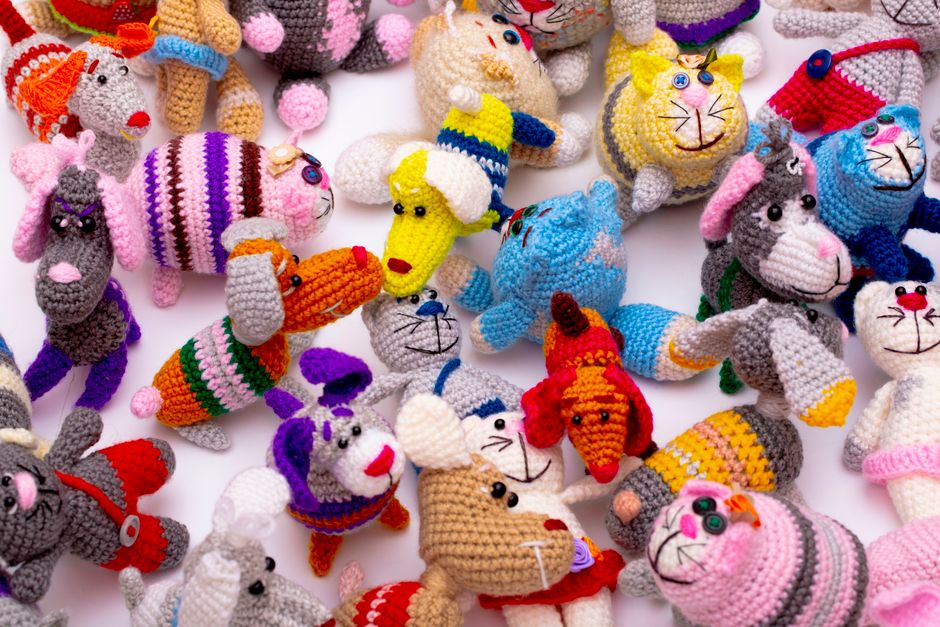
Amigurumi, the Japanese art of crocheting small stuffed creatures and objects, has exploded in popularity over recent years. These adorable creations range from simple spheres to complex character designs. The technique builds on basic crochet stitches but adds dimension through strategic increases and decreases. For crafters interested in creating toys, decorative objects, or gifts, amigurumi offers endless creative potential. You might even find inspiration in a Purl Soho Kit tailored for your next project.
According to research from Britannica, handcrafts like knitting and crochet have documented benefits for cognitive function and stress reduction, making them valuable activities beyond their creative output.
Essential Supplies and Getting Started
Regardless of which fiber craft you choose, starting with appropriate supplies sets you up for success. For knitting, you’ll need needles in various sizes and yarn weights suitable for practice. Crochet requires hooks, which come in multiple sizes to accommodate different yarn weights. Both crafts benefit from additional tools like scissors, tapestry needles for weaving in ends, and stitch markers. If you’re looking for quality tools, check out our guide to Best Handmade Knitting Needles 2026.

Yarn selection significantly impacts your learning experience. Beginners should choose smooth, light-colored yarn in a worsted weight. This allows you to clearly see your stitches and identify mistakes easily. Avoid fuzzy, dark, or novelty yarns until you’ve mastered basic techniques. The tactile experience of working with quality materials makes practice more enjoyable and produces better results.
For amigurumi specifically, cotton yarn remains the preferred choice because it holds its shape well and creates a tight, stuffed fabric that doesn’t show filling. Acrylic yarns work well too, offering affordability and easy care. Starting with a simple project like a basic ball or cube helps you understand how increases and decreases create three-dimensional shapes before attempting complex character patterns.
Creating a comfortable workspace matters more than many beginners realize. Good lighting prevents eye strain during detailed work, while ergonomic seating supports proper posture during extended crafting sessions. The CDC recommends taking regular movement breaks during sedentary activities, which applies to crafting sessions as much as desk work.
Building Skills Through Progressive Projects
The most effective learning approach starts with simple projects that build confidence while teaching fundamental techniques. For knitting, this might mean beginning with a basic scarf or dishcloth. In crochet and amigurumi, starting with simple shapes like balls or basic animals allows you to practice essential stitches without overwhelming complexity.
As skills develop, gradually increasing project difficulty maintains engagement while preventing frustration. This progressive approach mirrors successful educational methods across all disciplines. Each completed project reinforces previous lessons while introducing one or two new techniques. This layered learning creates a strong foundation that supports increasingly ambitious creations.
Pattern reading represents a crucial skill that opens access to countless projects. Understanding abbreviations, following row-by-row instructions, and interpreting diagrams initially seems daunting but becomes second nature with practice. Many modern patterns include both written instructions and visual charts, accommodating different learning styles. Video tutorials supplement written patterns, providing visual demonstrations of tricky techniques.
Joining a crafting community accelerates learning and provides motivation during challenging projects. Online forums, social media groups, and local crafting circles offer spaces to ask questions, share progress, and celebrate completions. The supportive nature of fiber arts communities welcomes beginners and celebrates learning at every level.
Advanced Techniques and Creative Expression
Once you’ve mastered basic stitches and completed several beginner projects, the world of advanced techniques beckons. In knitting, this includes colorwork, cable patterns, and lace knitting. For crochet and amigurumi, advanced skills encompass color changes, invisible decreases, surface details, and complex assembly techniques.
Amigurumi particularly rewards creativity and personalization. While following patterns builds skills, designing your own characters or modifying existing patterns allows true creative expression. Understanding how basic shapes combine to create complex forms empowers you to bring any idea to life. The mathematical precision of increases and decreases follows predictable patterns, making design more accessible than it initially appears.
Color theory, proportion, and detail work transform simple amigurumi into professional-looking creations. Small touches like embroidered features, carefully placed color changes, and thoughtful finishing techniques elevate projects from homemade to handcrafted treasures. These refinements develop naturally as you complete more projects and observe what makes certain designs particularly appealing.
Research on creative hobbies suggests they contribute to overall wellbeing, with Sleep Foundation noting that engaging in relaxing activities before bedtime can improve sleep quality, making evening crafting sessions doubly beneficial.
Resources for Continued Learning
The fiber arts community offers abundant resources for ongoing education. Video platforms host thousands of technique tutorials, pattern designers share free and premium patterns, and crafting blogs provide project ideas and tips. Building a personal library of trusted resources supports your crafting journey at every stage.
PDF patterns offer particular advantages for modern crafters. Instantly downloadable, easily stored digitally, and printable for hands-on reference, they provide flexibility that traditional printed patterns cannot match. Comprehensive pattern collections give you endless project options without requiring physical storage space.
For those specifically interested in amigurumi, specialized pattern collections focus on this beloved technique. Detailed tutorials that explain not just what to do but why certain techniques work help you understand the craft deeply. This knowledge transfers to future projects, making each new pattern easier to execute successfully. You might even consider an Automatic Knitting Machine for Crochet Lovers to explore new avenues.
Conclusion
Whether your search for “purl soho learn to knit” led you to knitting, crochet, or amigurumi, the fundamentals of quality instruction remain constant. Clear guidance, appropriate materials, progressive skill-building, and supportive communities create the ideal environment for learning any fiber craft. As you develop your skills, you’ll discover that working with yarn offers not just creative satisfaction but also mental relaxation and the joy of creating handmade treasures. The journey from complete beginner to confident crafter happens one stitch at a time, and every project completed builds both skill and confidence for the next creative adventure.