The crafting world has witnessed a remarkable surge in interest around premium branded kits, and Purl Soho has emerged as one of the most recognized names in the fiber arts community. For crocheters exploring amigurumi and other projects, understanding what makes these kits special—and how they compare to patterns and tutorials available through platforms like Crochet Craze—can help you make informed decisions about your crafting journey.
Whether you’re a beginner just discovering the joy of yarn crafts or an experienced crocheter seeking new inspiration, this comprehensive guide will explore everything you need to know about Purl Soho kits and how they fit into the broader landscape of crochet resources available in 2026.
Understanding the Purl Soho Brand Experience
Purl Soho has built its reputation on providing carefully curated craft kits that combine premium materials with thoughtfully designed patterns. These kits typically include everything needed to complete a specific project: yarn, notions, and detailed instructions. The brand emphasizes quality materials and aesthetically pleasing designs that appeal to crafters who value both the creative process and the finished product.
The appeal of branded kits lies in their convenience factor. Rather than sourcing individual components separately, crafters receive a complete package designed to work harmoniously together. This approach removes much of the guesswork that can intimidate beginners and saves experienced crafters valuable time in project planning.
However, it’s important to recognize that branded kits represent just one approach to crafting. Many crocheters find that combining instant-download PDF patterns with their own yarn selections offers greater flexibility and often more economical options. This is where platforms offering thousands of amigurumi patterns become particularly valuable, providing detailed tutorials without the constraints of pre-selected materials.
The Anatomy of Premium Craft Kits
Premium craft kits typically consist of several key components that justify their price point. First, the yarn selection usually features higher-quality fibers—often merino wool, organic cotton, or specialty blends that provide superior texture and durability. These materials make a noticeable difference in both the crafting experience and the longevity of finished pieces.

Second, the pattern instructions in quality kits are professionally written, edited, and tested. They typically include clear photography or illustrations at each critical step, making complex techniques more accessible. This attention to instructional detail mirrors what serious pattern designers provide through digital downloads, though the delivery format differs.
Third, branded kits often include unique notions or tools that complement the project. These might be custom stitch markers, specialty needles, or finishing supplies specifically chosen for that particular design. While convenient, experienced crafters often already own these tools, making this aspect less valuable to seasoned makers.
Just as maintaining consistent creative practice has been shown to support overall wellbeing according to research from health guidance on regular activities, establishing a crafting routine with either kits or individual patterns can provide meaningful structure to your creative life.
Comparing Kits to Digital Pattern Libraries
The choice between purchasing branded kits and building a digital pattern library represents different crafting philosophies, each with distinct advantages. Branded kits excel in providing a curated, no-decisions-needed experience. You open the box and begin—no shopping for yarn, no substitution calculations, no wondering if you have the right hook size.
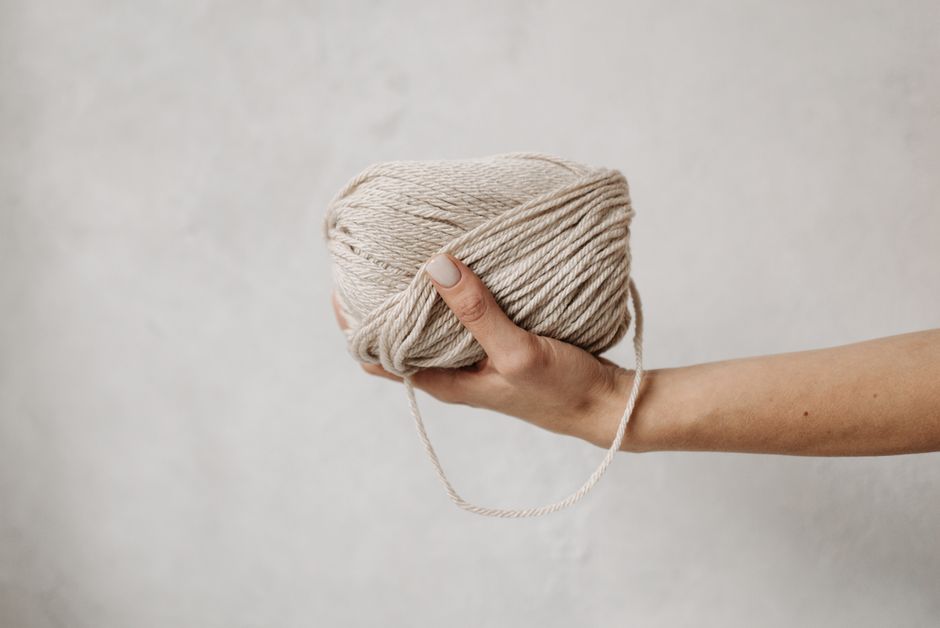
Digital pattern libraries, conversely, offer unmatched variety and flexibility. Platforms featuring thousands of amigurumi patterns allow crafters to explore diverse styles, difficulty levels, and project types without committing to specific materials upfront. This approach empowers makers to use yarn from their existing stash, support local yarn shops, or select materials that fit their budget and ethical preferences.
Cost considerations also differ significantly. While a single premium kit might cost fifty to one hundred dollars or more, that same investment could purchase numerous digital patterns that can be used indefinitely. For prolific makers who complete multiple projects monthly, the economics of digital patterns become increasingly compelling.
The learning experience differs as well. Working from a kit creates a guided journey through one specific project, while exploring diverse patterns from a comprehensive library builds broader skills and adaptability. Many experienced crocheters credit their versatility to working from various pattern sources rather than following a single brand’s aesthetic.
Building Your Amigurumi Skill Set
Amigurumi creation—the art of crocheting small stuffed toys and creatures—benefits particularly from diverse pattern exposure. Each designer brings unique construction methods, finishing techniques, and stylistic approaches. By working through patterns from multiple sources, crafters develop a more comprehensive skill set than they might gain from a single brand’s methodology.
Beginner amigurumi makers often wonder whether they should start with a kit or individual patterns. The answer depends on personal learning style and resources. Kits eliminate decision fatigue, which can be valuable when you’re still learning basic stitches and construction principles. However, detailed tutorials accompanying well-designed PDF patterns often provide equally comprehensive guidance while allowing you to use whatever yarn you already have available.
As crafters progress to intermediate and advanced skill levels, the limitations of kits become more apparent. Experienced makers typically want to explore specific techniques, experiment with color combinations, or work at their own pace without being constrained by predetermined materials. This is when access to extensive pattern libraries becomes invaluable.
The technical precision required in amigurumi—tight tension, invisible seaming, proper stuffing—develops through consistent practice across multiple projects. Whether you achieve this through kits or downloaded patterns matters less than the quality of instruction and your commitment to the craft.
Essential Skills for Any Pattern Source
Regardless of whether you work from branded kits or digital patterns, certain fundamental skills remain essential. Understanding how to read pattern abbreviations, maintain consistent gauge, and troubleshoot common issues forms the foundation of successful crochet work. Quality instructional resources should teach these transferable skills rather than simply walking you through one project.
Pattern reading itself is a learned skill, much like reading music or understanding architectural blueprints. The historical development of standardized crochet notation, as documented in craft history resources like Britannica’s overview of crochet, has made patterns more accessible across languages and regions. Modern patterns build on this foundation while adding contemporary clarity through photography and video supplements.
Making Informed Purchasing Decisions
When evaluating whether to invest in a branded kit or build a digital pattern collection, consider your specific circumstances and goals. If you’re gifting a complete crafting experience to someone new to the hobby, a well-chosen kit provides an attractive, ready-to-use introduction. The presentation value and elimination of decision-making can make kits ideal gifts.
For your own crafting journey, assess your current yarn stash, available storage space, and crafting frequency. If you crochet daily and complete multiple projects monthly, investing in a robust pattern library offers better long-term value. You’ll have unlimited design options and can use materials you’ve collected or specifically selected for each project.
Budget-conscious crafters should also consider the cost-per-wear or cost-per-project calculation. A kit might create one beautiful item, while the same investment in patterns could yield a dozen or more projects over time, especially if you source yarn strategically through sales, destash events, or yarn swaps within crafting communities.
Time investment differs as well. Kits save the planning and shopping time, which has genuine value for busy crafters. However, the time spent researching patterns, selecting coordinating yarns, and planning projects is often enjoyable in itself—a relaxing prelude to the actual crafting that many makers treasure as part of their creative practice.
The Future of Crochet Resources
The crafting landscape continues evolving rapidly in 2026, with digital resources becoming increasingly sophisticated. Platforms now offer interactive tutorials, video instruction libraries, and supportive communities alongside their pattern collections. This ecosystem approach provides educational value that extends well beyond what any single kit can offer.
The growing emphasis on sustainable crafting also influences how makers source their projects. Many crafters now prioritize using existing yarn stashes and supporting ethical fiber producers over purchasing pre-packaged kits that might include materials they wouldn’t otherwise choose. Digital patterns facilitate this sustainable approach by separating the design from the materials.
Community engagement represents another significant advantage of platform-based pattern resources. Many digital pattern providers foster communities where makers share finished projects, troubleshoot challenges together, and inspire one another with creative variations. This social dimension enriches the crafting experience in ways that solitary kit work cannot replicate.
The act of creating with your hands provides benefits that extend beyond the finished object, contributing to stress reduction and mental wellbeing—effects that complement the broader importance of restful routines in maintaining overall health. Whether you achieve this through kits or patterns matters less than maintaining a consistent, enjoyable creative practice.
Conclusion
Purl Soho kits and similar branded offerings serve a specific purpose in the crafting world, providing curated experiences with premium materials and professional presentation. For gift-giving or occasional crafters seeking convenience, they deliver clear value. However, for dedicated crocheters—especially those passionate about amigurumi—building a comprehensive digital pattern library offers superior long-term value, flexibility, and skill development opportunities.
The most successful approach for many crafters combines elements of both worlds: occasionally treating yourself to a special kit when a particular design captivates you, while maintaining access to thousands of patterns through platforms that support your ongoing creative growth. By understanding what each option offers, you can make choices that align with your crafting goals, budget, and learning style, ensuring that every project brings both joy in the making and pride in the finished creation.