The concept of a knitting bed might sound unusual at first, but it represents a growing trend among crafters who understand the importance of comfort during extended creative sessions. Whether you’re working on intricate amigurumi patterns or relaxing with a simple crochet project, creating the perfect crafting environment can significantly enhance your experience and productivity. While knitting beds aren’t literally beds designed for knitting, the term captures the idea of transforming your bed or resting space into a comfortable crafting station.
As crocheters and knitters spend hours perfecting their handmade treasures, the physical demands of the craft become apparent. Finding the right position, maintaining proper posture, and ensuring adequate lighting are all essential elements of a successful crafting session. This comprehensive guide explores how to create the ideal knitting bed setup, the benefits of comfortable crafting, and practical tips for turning your bedroom into a creative sanctuary.
Understanding the Knitting Bed Concept
A knitting bed setup refers to organizing your bed or bedroom space to accommodate your crafting activities comfortably. This approach recognizes that many crafters prefer working in the comfort of their bedrooms, especially during evening hours or when seeking a cozy atmosphere. The setup typically includes proper pillow support for your back, adequate lighting, organized storage for supplies, and easy access to patterns and tools.

For amigurumi enthusiasts, having a dedicated crafting space on or near your bed can be particularly beneficial. The intricate work involved in creating stuffed animals and characters requires sustained focus and attention to detail. Being comfortable during these extended sessions can mean the difference between enjoying your craft and experiencing fatigue or discomfort.
The knitting bed concept also acknowledges the therapeutic and relaxing nature of crochet and knitting. Many crafters find that working on their projects before sleep helps them unwind and transition into a restful state. According to Sleep Foundation, engaging in relaxing activities before bedtime can improve sleep quality, making crafting in bed a beneficial practice when done mindfully.
Essential Elements of a Comfortable Crafting Space
Creating an effective knitting bed setup requires careful attention to several key components. First and foremost is proper back support. Investing in a quality wedge pillow or backrest pillow can prevent strain during long crafting sessions. Position yourself so your back maintains its natural curve, and ensure your arms can move freely without shoulder tension.
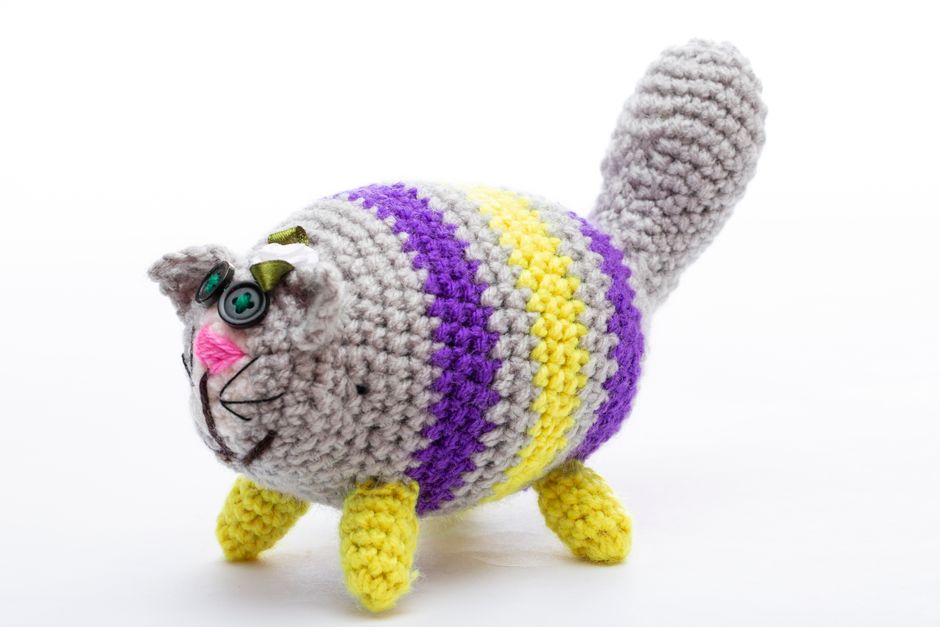
Lighting is another crucial element that crafters often overlook. Natural daylight is ideal for seeing true colors and intricate stitches, but for evening crafting, you’ll need adequate artificial lighting. Consider a clip-on reading light or adjustable lamp that can direct bright, focused light onto your work without creating harsh shadows or straining your eyes.
Organization becomes essential when your bed doubles as a crafting station. Use bedside caddies, small baskets, or dedicated craft organizers to keep your hooks, yarn, scissors, and stitch markers within easy reach. This prevents the frustration of searching for tools mid-project and helps maintain the relaxing atmosphere you’re trying to create.
Temperature control also matters more than you might think. While crochet involves handling yarn, which can add warmth, you want to avoid becoming too hot or cold during your crafting sessions. Having a light blanket nearby allows you to adjust your comfort level as needed.
Health Considerations for Bed Crafting
While crafting in bed offers comfort and convenience, it’s important to maintain awareness of potential health impacts. Repetitive hand movements can lead to strain, so incorporating regular breaks into your crafting routine is essential. Set a timer to remind yourself to stretch your hands, wrists, and shoulders every 20-30 minutes.

Posture remains critical even when you’re in bed. Slouching or hunching over your work can cause neck and back pain over time. Ensure your pillow support keeps you relatively upright, and position your work at a height that doesn’t require constant downward gazing. CDC physical activity guidance emphasizes the importance of regular movement and proper ergonomics, which applies to crafting activities as well.
Eye strain is another consideration for crafters who work for extended periods. Follow the 20-20-20 rule: every 20 minutes, look at something 20 feet away for at least 20 seconds. This simple practice can significantly reduce eye fatigue and maintain your visual comfort during detailed amigurumi work.
Additionally, consider the timing of your crafting sessions. While working on projects before bed can be relaxing, be mindful of how late you craft. Stopping at least 30 minutes before you intend to sleep gives your mind time to fully transition from focused creativity to restful sleep mode.
Optimizing Your Knitting Bed for Different Projects
Different crochet projects may require different bed setups. When working on large blankets or afghans, you might need more space for the growing project to spread out. Consider using a bed tray or lap desk to create a stable surface for your pattern instructions and to keep smaller items from disappearing into the bedding.
For intricate amigurumi work, which often involves frequent color changes and small pieces, organization becomes even more critical. Use small containers or ice cube trays to separate different colored yarns, safety eyes, and stuffing materials. This level of organization prevents mistakes and keeps your creative flow uninterrupted.
If you’re following PDF patterns on a tablet or phone, invest in a device stand that positions your screen at eye level. This prevents neck strain and keeps your hands free for crocheting. Many crafters also appreciate screen protectors that reduce glare and blue light exposure during evening crafting sessions.
The Social and Cultural Aspects of Bed Crafting
The practice of crafting in bed has historical roots that many modern crafters might not realize. Britannica documents various historical needlework traditions, and throughout history, needlework has often been practiced in domestic, comfortable settings. In many cultures, women gathered in bedrooms or private spaces to work on textile crafts together, combining productivity with social connection.
Today’s bed crafters continue this tradition in modern ways. Virtual crafting circles allow people to video chat while working on projects from the comfort of their beds or couches. This combination of comfort and community creates a unique crafting experience that honors tradition while embracing contemporary technology.
The rise of social media has also normalized sharing pictures of craft projects in progress, often showing cozy bed setups complete with colorful yarn, works in progress, and comfortable surroundings. This visibility has helped validate bed crafting as a legitimate and enjoyable way to pursue the hobby.
Building Your Perfect Crafting Routine
Establishing a consistent crafting routine in your knitting bed setup can enhance both your skills and your enjoyment. Many successful crafters dedicate specific times to their projects, creating a ritual that signals creativity and relaxation. This might be an hour each evening, weekend mornings, or whenever your schedule allows.
Consider keeping a crafting journal on your bedside table to track your progress, note pattern modifications, and record ideas for future projects. This practice not only helps with project management but also creates a satisfying record of your creative journey.
Prepare your space before each session by gathering all necessary materials, ensuring proper lighting, and minimizing potential distractions. Having your favorite beverage nearby and perhaps some quiet background music can enhance the meditative quality of your crafting time.
Remember that your knitting bed setup should evolve with your needs and preferences. Experiment with different arrangements, tools, and routines until you discover what works best for your body, your projects, and your lifestyle.
Conclusion
Creating a knitting bed setup represents more than just finding a comfortable place to crochet—it’s about honoring your craft by giving it a dedicated, comfortable space. By paying attention to ergonomics, lighting, organization, and health considerations, you can transform your bed into a creative sanctuary that supports both productivity and relaxation. Whether you’re working on complex amigurumi characters or simple practice pieces, the comfort and convenience of a well-designed crafting space can enhance every aspect of your creative journey. Take time to build a setup that truly works for you, and enjoy the countless hours of comfortable, satisfying crafting that await.