Crochet animal patterns have captured the hearts of crafters worldwide, transforming simple yarn and a hook into adorable handmade treasures. Whether you’re a beginner picking up your first project or an experienced crocheter looking to expand your amigurumi repertoire, understanding the world of crochet animal patterns opens up endless creative possibilities. These charming creations make perfect gifts, home decorations, and rewarding projects that bring joy to both maker and recipient.
The art of creating crochet animals combines technical skill with creative expression, allowing crafters to produce everything from realistic wildlife to whimsical fantasy creatures. With the right patterns, tools, and techniques, anyone can master this beloved craft and create their own menagerie of handmade animals.
Understanding Crochet Animal Pattern Basics
Crochet animal patterns, particularly amigurumi designs, follow specific construction techniques that differ from traditional crochet projects. Most animal patterns work in continuous rounds rather than flat pieces, creating seamless three-dimensional forms that bring characters to life. The foundation of nearly every crochet animal begins with a magic ring, which allows you to create a tight, adjustable center with no visible hole.
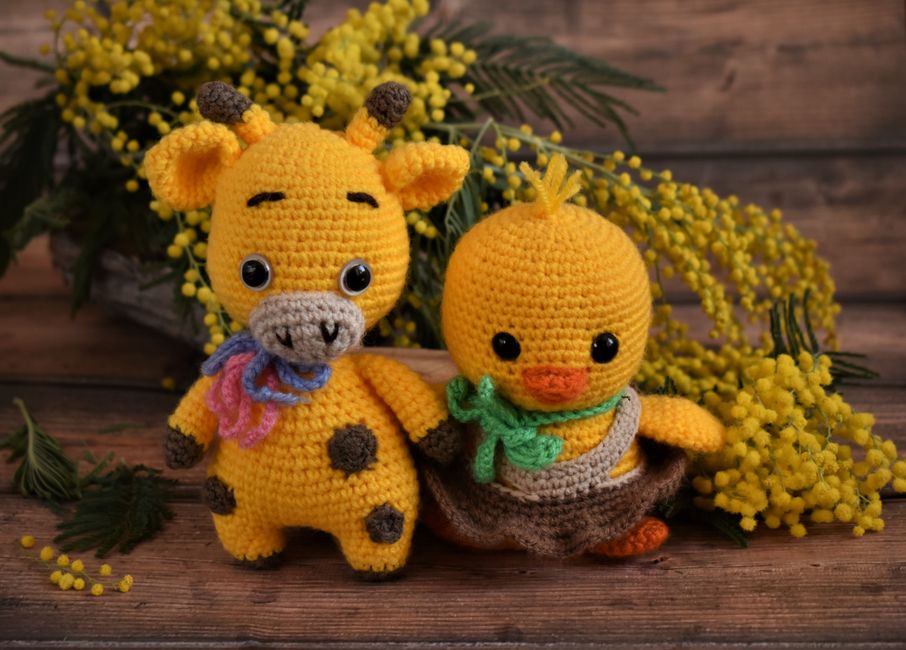
Pattern difficulty levels vary significantly, and understanding these differences helps you choose projects that match your skill level. Beginner patterns typically feature simple shapes with minimal color changes and basic stitches like single crochet, half double crochet, and increases or decreases. Intermediate patterns introduce more complex shaping, multiple pieces that require assembly, and sometimes embroidered details or safety eyes. Advanced patterns may incorporate intricate colorwork, unusual construction methods, or highly detailed features requiring precision and patience. For those just starting, our Amigurumi Patterns for Beginners Guide offers a great starting point.
Reading crochet animal patterns requires familiarity with standard abbreviations and terminology. Common stitches include single crochet (sc), increase (inc), invisible decrease (inv dec), and slip stitch (sl st). Patterns also specify round markers, stitch counts, and assembly instructions. Taking time to read through the entire pattern before starting helps you anticipate challenges and gather all necessary materials.
Essential Materials and Tools for Success
Selecting the right materials dramatically impacts the final appearance and durability of your crochet animals. Yarn choice stands as the most important decision, with different fibers offering distinct advantages. Cotton yarn provides excellent stitch definition and holds its shape well, making it ideal for amigurumi with crisp details. Acrylic yarn offers affordability, wide color selection, and easy care, perfect for toys that children will love and wash frequently. Wool blends provide warmth and natural texture for rustic or realistic animal designs.
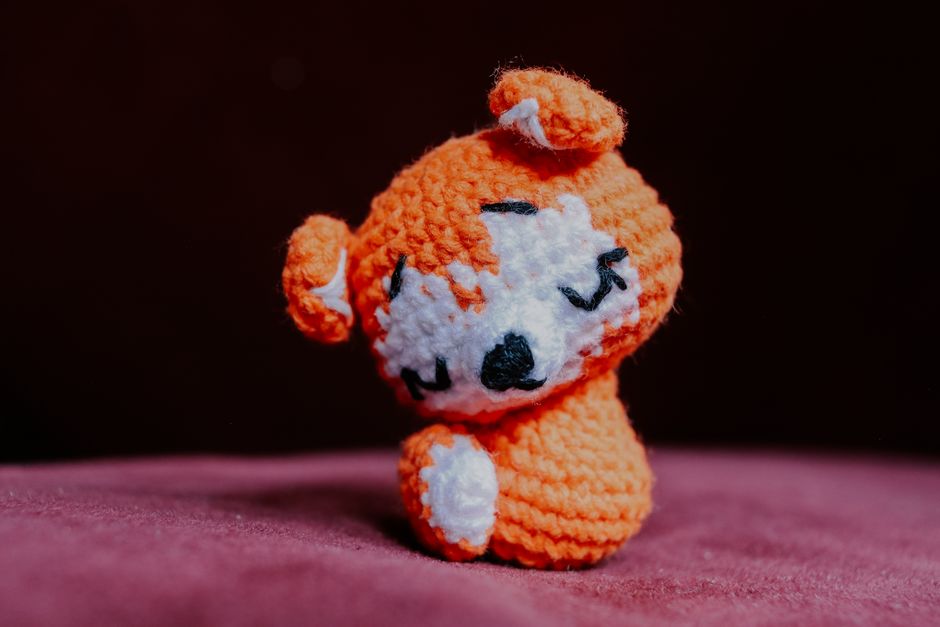
Hook size affects the tightness of your stitches and the overall look of your project. Most crochet animal patterns recommend using a hook one or two sizes smaller than the yarn label suggests, creating a tight fabric that prevents stuffing from showing through. Common hook sizes for amigurumi range from 2.5mm to 4mm, depending on yarn weight and desired finished size.
Additional supplies include polyester fiberfill for stuffing, safety eyes in various sizes, stitch markers to track rounds, yarn needles for assembly and weaving in ends, and scissors. Some crafters also use wire armatures for poseable limbs, embroidery floss for facial features, and fabric stiffener for projects requiring structure.
Popular Crochet Animal Categories
Farm animals represent some of the most beloved crochet patterns, with their recognizable shapes and friendly appearances. Cows, pigs, sheep, chickens, and horses translate beautifully into crochet form, often featuring simplified shapes that make them accessible to beginners. These patterns frequently use natural color schemes and may include charming accessories like flower crowns or tiny overalls.

Woodland creatures bring nature indoors with patterns for foxes, bears, rabbits, deer, and hedgehogs. These designs often incorporate multiple colors to capture realistic markings and may feature textured stitches to simulate fur. The popularity of woodland themes in nursery decor has made these patterns particularly sought-after for baby gifts and room decorations.
Ocean animals offer exciting challenges with their unique body shapes and vibrant colors. Patterns for whales, dolphins, octopuses, sea turtles, and fish allow crafters to experiment with creative color combinations and distinctive features like tentacles or fins. These projects often serve as excellent practice for shaping techniques and working with multiple colors.
Fantasy and mythical creatures let imagination run wild with patterns for dragons, unicorns, phoenixes, and other magical beings. These designs often incorporate advanced techniques like scales, wings, and elaborate manes, making them popular choices for experienced crocheters seeking impressive display pieces. For a variety of patterns, check out our Free Amigurumi Crochet Patterns Guide.
Techniques for Professional-Looking Results
Achieving polished, professional results requires mastering several key techniques beyond basic stitches. The invisible decrease creates seamless shaping by working through the front loops only, eliminating the bumpy appearance of standard decreases. This small adjustment significantly improves the smooth appearance of your crochet animals.
Proper stuffing technique ensures your animals maintain their intended shape without lumps or gaps. Stuff continuously as you work rather than waiting until the end, using small amounts of fiberfill and pushing it firmly into all corners and extremities. For limbs and smaller pieces, tools like chopsticks or crochet hooks help position stuffing precisely.
Eye placement dramatically affects your animal’s personality and expression. Before securing safety eyes permanently, pin them in different positions to find the most appealing placement. Generally, eyes positioned closer together create a cuter appearance, while wider spacing produces a more realistic look. The relationship between eyes and other facial features determines whether your animal appears happy, surprised, sleepy, or mischievous.
Assembly and finishing separate amateur projects from professional-quality pieces. Use matching yarn and small, invisible stitches when joining pieces. Weave in ends thoroughly, securing them with multiple direction changes to prevent unraveling. For embroidered details like noses and mouths, practice on scrap fabric first to perfect your technique before working on the finished piece. If you’re considering selling your creations, understanding the value of your time and skill is crucial; our Professional Crochet Services Cost Guide can provide insights.
Health and Wellness Benefits of Crochet
Engaging in crochet projects provides remarkable benefits beyond creating beautiful handmade animals. The repetitive motions and focused attention required for crochet promote relaxation and stress reduction, creating a meditative state that many crafters find therapeutic. According to Britannica, engaging in creative handicrafts has been shown to improve mental well-being and cognitive function across various age groups.
The craft also encourages mindfulness, requiring presence and concentration that pulls attention away from daily worries. Many crocheters report improved sleep quality after spending time with their hooks and yarn in the evening. While Sleep Foundation research focuses primarily on sleep hygiene practices, establishing calming evening routines that include relaxing hobbies can contribute to better rest.
Physical benefits include improved hand-eye coordination and fine motor skills. The precise movements required for crochet keep fingers nimble and can help maintain dexterity as we age. While crochet itself is a seated activity, incorporating it into a balanced lifestyle that includes regular movement remains important. The CDC recommends adults engage in regular physical activity, and many crafters find that taking breaks to stretch or walk between projects helps prevent stiffness and maintains overall health.
Finding and Choosing Quality Patterns
The abundance of available crochet animal patterns can feel overwhelming, but understanding what distinguishes quality patterns helps you make informed choices. Well-written patterns include clear photographs of the finished project from multiple angles, complete materials lists with specific yarn weights and colors, detailed written instructions with stitch counts for each round, and difficulty level indicators.
PDF patterns offer instant accessibility and the convenience of digital storage, allowing you to build an extensive library without physical space requirements. Many pattern designers provide detailed tutorials, video support, and community forums where you can ask questions and share progress. Look for patterns with positive reviews, responsive designers, and clear terms of use.
Building your pattern collection strategically helps develop skills progressively. Start with simple single-color animals featuring basic shapes, then advance to projects with color changes, multiple pieces, and complex assembly. As confidence grows, tackle patterns with intricate details, unusual construction methods, and customization opportunities that let you add personal creative touches. To help navigate the choices for your crafting, our guide on How to Choose Professional Crochet Services can be a valuable resource.
Conclusion
Crochet animal patterns offer endless opportunities for creativity, skill development, and handmade gift-giving. From simple beginner projects to intricate advanced designs, this rewarding craft combines technical precision with artistic expression. By understanding pattern basics, investing in quality materials, mastering essential techniques, and choosing patterns appropriate for your skill level, you can create an entire zoo of adorable crochet animals. Whether you’re crafting for relaxation, building a small business, or creating treasured gifts for loved ones, the world of crochet animals welcomes you with open arms and countless patterns waiting to come to life through your skilled hands.