
Chunky blankets have become a beloved staple in modern home decor, offering cozy comfort and visual appeal. Whether you’ve spent hours working on a chunky knit or crochet blanket, the finishing touches can make all the difference between a homemade-looking project and a professional-quality piece. Knowing how to properly finish your chunky blanket ensures it will last for years while maintaining its beauty and structure.
The finishing process involves several crucial steps that protect your hard work and give your blanket a polished appearance. From securing loose ends to adding decorative borders, these techniques transform your project into a treasured heirloom. Let’s explore the essential methods for finishing your chunky blanket with confidence and skill.
Securing Your Final Stitch
The moment you complete your last stitch marks an important milestone, but your work isn’t quite finished yet. Properly securing that final stitch prevents your blanket from unraveling and ensures all your effort remains intact.
For chunky knit blankets, cast off loosely to maintain the blanket’s natural drape and stretch. Pull your working yarn through the last loop on your needle or fingers, leaving a tail of approximately 12 inches. This length gives you enough yarn to weave in securely without risking the stitch coming undone.
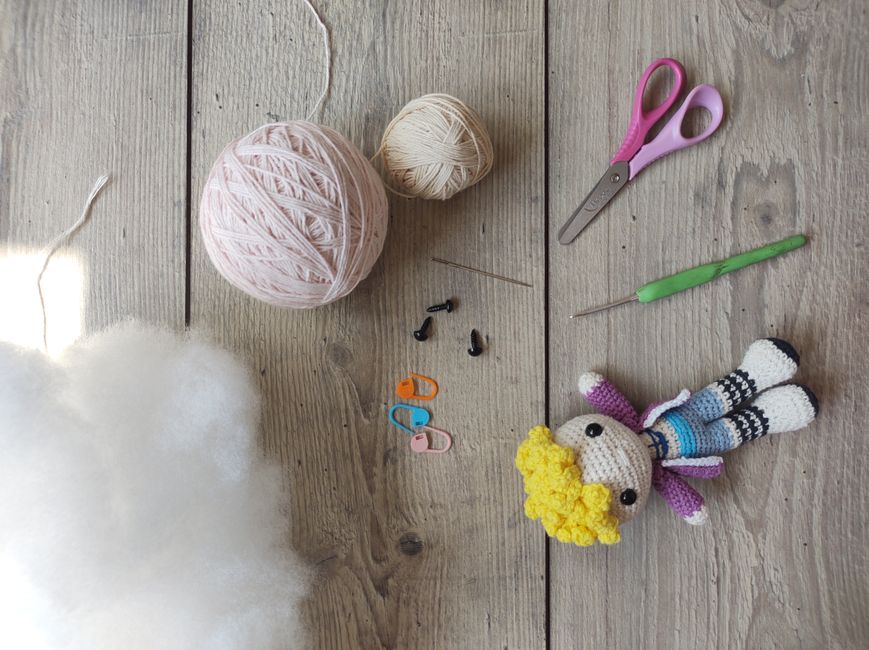
When finishing a chunky crochet blanket, work your final stitch as usual, then yarn over and pull through completely. Cut your yarn leaving that same 12-inch tail. Some crocheters prefer to leave even longer tails when working with bulky yarn, as the thickness requires more length for proper weaving. If you’re also interested in crafting smaller, intricate pieces, consider exploring resources on Amigurumi patterns.
Before cutting your yarn, give your blanket a gentle tug to ensure the final stitches hold firm. This simple test can save you from discovering a loose end later when the blanket is in use.
Weaving In Ends Properly
Weaving in ends is perhaps the most important finishing step for any chunky blanket. With super bulky yarn, this process requires special attention because the thick fibers are more visible and can create bulk if not handled correctly.
Thread your yarn tail onto a large-eyed tapestry needle or yarn needle. For extremely chunky yarn, you may need a specialized jumbo needle. Weave the tail through the bumps on the wrong side of your work, following the natural path of your stitches for about 4-6 inches. The thickness of chunky yarn actually works in your favor here, as the fiber has more grip and is less likely to slip out once secured.
Change direction at least once while weaving to create a lock that prevents the tail from working loose. After weaving thoroughly, trim the excess yarn close to the fabric, but not so close that it might pop through to the right side. Leave approximately a quarter inch for safety.
If you have color changes or multiple yarn tails throughout your blanket, weave each one in as you go rather than saving them all for the end. This approach prevents tangled tails and makes the finishing process less overwhelming.
Adding a Border or Edge
A well-executed border elevates your chunky blanket from simple to stunning. While not strictly necessary, a border can frame your work beautifully and add structural integrity to the edges.
For a simple single crochet border, attach your yarn to any corner and work evenly spaced single crochet stitches around the entire perimeter. Place three single crochets in each corner to create a neat turn. This basic border works wonderfully with chunky yarn and creates a clean, finished edge that prevents curling.
If you prefer a more decorative finish, consider a shell stitch border or picot edge. These fancy options add texture and visual interest while maintaining the blanket’s cozy aesthetic. When working with chunky yarn, remember that even simple borders make a significant statement due to the yarn’s thickness.
Knitters can pick up stitches along the edge and work a few rows of garter stitch or seed stitch for a coordinating border. This technique is particularly effective for smoothing out any uneven edges from your main blanket body. For those interested in automated knitting, a Double Bed Knitting Machines Guide can offer valuable insights.
Blocking Your Chunky Blanket
Blocking is the process of shaping and setting your finished blanket to achieve professional results. This step is especially important for chunky blankets because the weight of the yarn can sometimes create uneven stitches or distorted shapes.
For most chunky blankets made from acrylic or acrylic-blend yarns, steam blocking works best. Lay your blanket flat on a clean surface, preferably on blocking mats or a large towel. Gently shape it to your desired dimensions, ensuring corners are square and edges are straight. Hold a steam iron about an inch above the surface and allow the steam to penetrate the fibers without touching the iron directly to your work. The heat can damage synthetic fibers if applied directly.
Wool and natural fiber chunky blankets benefit from wet blocking. Submerge the blanket in lukewarm water with a small amount of wool wash, then gently squeeze out excess water without wringing. Lay flat to dry, shaping as desired. Natural fibers respond beautifully to this treatment, and the results can dramatically improve stitch definition. If you’re considering expanding your crafting to include larger projects like sweaters, understanding the Best Knitting Machine for Sweaters might be helpful.
Allow your blanket to dry completely before using or storing. Depending on the yarn weight and fiber content, this may take 24-48 hours. Patience during this stage ensures your blanket maintains its blocked shape. According to textile experts, proper finishing techniques significantly extend the life of handmade fabric items.
Caring for Your Finished Blanket
Once your chunky blanket is complete, knowing how to care for it properly ensures it remains beautiful for years to come. The finishing process includes educating yourself about maintenance to protect your investment of time and materials.
Most chunky blankets should be washed gently by hand or on a delicate machine cycle in cold water. The weight of the yarn when wet can cause stretching, so never hang a wet chunky blanket to dry. Instead, lay it flat on a clean, dry surface, reshaping as needed.
For daily care, shake out your blanket regularly to maintain its loft and prevent dust accumulation. Spot clean minor spills immediately to prevent stains from setting. Studies on sleep environments from sleep research organizations suggest that keeping bedding and blankets clean contributes to better rest quality.
Store your chunky blanket folded loosely in a breathable cotton bag or on a shelf where air can circulate. Avoid plastic storage containers that can trap moisture and create musty odors. If storing long-term, add cedar blocks or lavender sachets to deter moths, especially for natural fiber blankets.
Troubleshooting Common Finishing Issues
Even experienced crafters encounter challenges when finishing chunky blankets. Recognizing and addressing these issues ensures your blanket looks its absolute best.
If your edges are wavy or ruffled, this typically indicates you worked your edge stitches too loosely. While you can’t easily fix this in the main body, adding a firm border can help stabilize the edges and create a straighter appearance. Work your border stitches slightly tighter than the blanket body for best results.
Bulky areas where ends are woven in can be flattened by working them through more stitches or splitting the yarn tail to distribute the thickness. With chunky yarn, sometimes splitting the plies and weaving them in different directions creates a less noticeable finish.
For blankets that curl at the corners, blocking is usually the solution. If blocking doesn’t completely resolve the issue, add extra weight to the corners during the blocking process using clean cans or other heavy objects wrapped in cloth. For those looking to machine knit their own blankets or other projects, a Double Bed Machine Knitting Guide can provide comprehensive assistance.
Conclusion
Finishing a chunky blanket properly transforms your project from a work-in-progress into a polished, professional-looking piece you’ll be proud to display or gift. By securing your stitches carefully, weaving in ends thoroughly, considering border options, blocking appropriately, and understanding proper care techniques, you ensure your chunky blanket will provide warmth and beauty for years to come. The time invested in these finishing steps is minimal compared to the hours spent creating your blanket, yet the impact on the final result is tremendous. Whether you’re completing your first chunky blanket or your hundredth, these finishing techniques will help you achieve consistently beautiful results that showcase your crafting skills.