
Amigurumi, the art of crocheting small stuffed figures, looks intimidating from the outside. Scroll through social media and you will see intricate dragons, detailed dolls, and tiny animals with perfectly shaped snouts and ears. What you do not see is that most of those projects started with simple shapes: a ball, a tube, a flat oval. If you can crochet a single crochet stitch, you already have the core skill needed to make your first stuffed animal in 2026.
This guide walks through everything a beginner needs: the stitches that actually matter, the yarn and hooks that make learning easier, a realistic list of starter projects, and the mistakes that trip up almost everyone on their first attempt. Crochet Craze offers thousands of amigurumi PDF patterns and step-by-step tutorials designed for exactly this stage, but the foundations below apply no matter where you get your pattern.
Why Amigurumi Is More Beginner-Friendly Than It Looks
Most amigurumi patterns rely on a remarkably small stitch vocabulary. You will use single crochet, increases, decreases, and the magic ring. That is essentially it for a beginner-level project. You will not need to master lace charts, colorwork, or complex stitch combinations before you can finish a small bear or bunny.
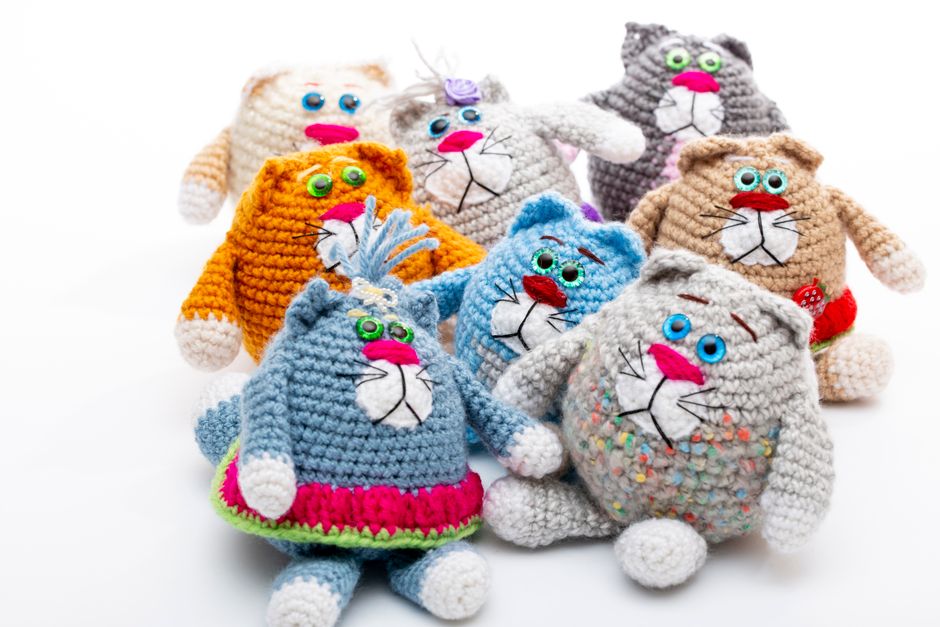
There is one genuine challenge: amigurumi is typically worked in continuous rounds, which means no joining and no turning. This spiral method is actually simpler than traditional flat crochet once it clicks, because you never have to count turning chains or match seams. The tradeoff is that you must track your stitch counts carefully, since a missed increase in round four becomes a lopsided head in round twenty. Familiarizing yourself with the amigurumi pattern reading guide can help you avoid these counting errors.
Another advantage is scale. A beginner stuffed animal is often just 10 to 15 centimeters tall and works up in a few hours. That short feedback loop matters. You see progress quickly, and if something goes wrong, you have not invested weeks of work.
Essential Supplies for Your First Stuffed Animal
Yarn
Choose a smooth, light-colored worsted or DK weight yarn. Cotton and cotton blends are popular for amigurumi because they hold stitch definition and do not fuzz over the surface, which makes it easier to see your stitches while learning. Light colors (cream, pale gray, soft yellow) are far easier to read than black or navy, where individual stitches disappear into shadow, especially in the evening.

Avoid fluffy, fuzzy, or bouclé yarns for your first few projects. They look wonderful in finished photos and are genuinely difficult to work with when you cannot see where to insert your hook.
Hooks
Use a hook one or two sizes smaller than the yarn label recommends. Amigurumi needs a dense, firm fabric so the stuffing does not show through and the shape holds. If your label suggests a 5 mm hook, try a 3.5 mm or 4 mm. Many beginners find an ergonomic hook with a soft grip reduces hand fatigue during long single crochet rounds.
Everything Else
- Stitch markers: buy more than you think you need. You will use them to mark the first stitch of every round.
- Polyester fiberfill: standard toy stuffing, not cotton balls, which clump.
- Tapestry needle: for sewing pieces together and weaving in ends.
- Small scissors and a yarn needle.
- Safety eyes (optional): if the finished item is for a child under three, embroider the eyes with yarn instead, since safety eyes can pose a choking hazard if they work loose.
The Four Techniques That Carry Every Project
1. The Magic Ring
Almost every amigurumi begins with a magic ring (also called a magic circle), which creates a tight, adjustable center with no hole. If the magic ring frustrates you, the standard alternative is to chain two and work your first round into the first chain. Both are acceptable. The magic ring simply produces a cleaner result. For a more thorough walkthrough of these fundamentals, the amigurumi crochet tutorial PDF guide covers each technique with photo references.
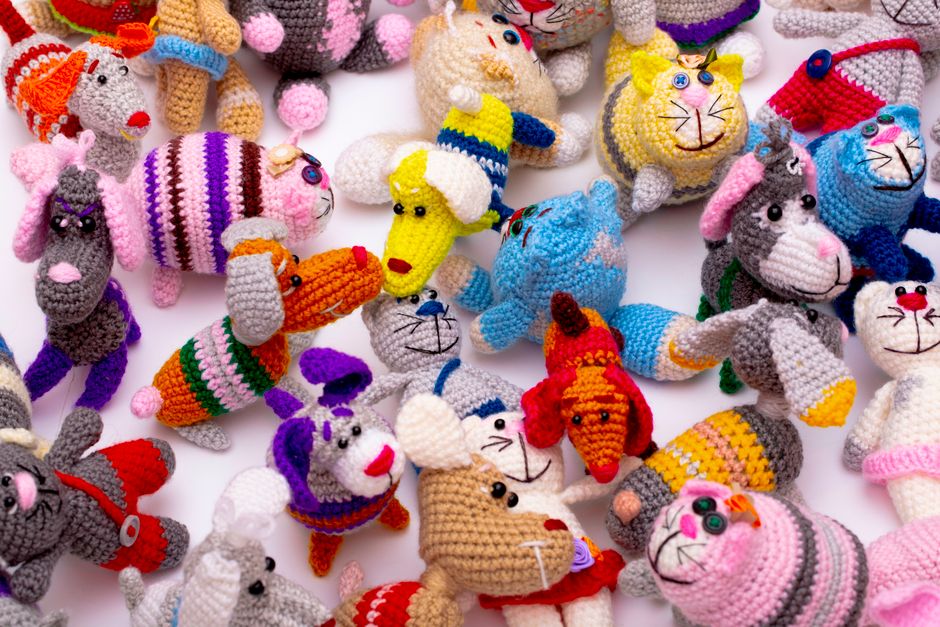
2. Single Crochet in Continuous Rounds
You will work single crochet stitches into the previous round, spiraling upward without joining. Place a stitch marker in the first stitch of each round and move it up as you go. This single habit prevents the most common beginner error: losing track of where a round begins.
3. Increases and Decreases
An increase is two single crochet stitches in the same stitch, which widens your work. A decrease joins two stitches into one, which narrows it. Shaping a sphere is nothing more than starting with six stitches, increasing out to a maximum, working even rounds in the middle, then decreasing back down. Once you see that pattern, you can read most simple patterns at a glance.
4. Closing and Stuffing
Stuff firmly but not so firmly that the stitches stretch and gaps appear. Add stuffing in small handfuls rather than one large lump, and shape as you go. For the final closing, most patterns direct you to leave a long tail and use a yarn needle to draw the tail through the front loops of the remaining stitches and pull tight.
Best Starter Projects, Ranked by Difficulty
Not all “easy” patterns are equally easy. Here is a realistic progression for 2026 beginners:
- A simple ball or sphere. Not exciting, but it teaches the increase and decrease rhythm that underlies everything else.
- A whale, fish, or egg-shaped pal. These use the sphere plus a couple of flat fins, so you practice basic assembly.
- A bear or bunny head with a separate body. Your first real introduction to sewing pieces together, which is its own skill.
- A jellyfish or octopus. The body is a simple dome, and the tentacles are chains worked in the round. Very forgiving of uneven tension.
- A small cat, fox, or dog with color changes. Color changes in amigurumi add a little complexity, so save these for project three or four.
Patterns labeled “no-sew” are worth seeking out as a first project, since they work limbs directly into the body and eliminate assembly entirely.
Common Beginner Mistakes and How to Avoid Them
Losing the round count. Count your stitches at the end of every round for your first few projects. If a round is supposed to end with 24 stitches and you have 23, fix it before continuing.
Working too loosely. If you can see stuffing through the fabric, your tension is too loose or your hook is too large. Size down.
Overstuffing. A common instinct is to pack the toy as full as possible. This distorts the shape and stresses the stitches. Stuff until the shape is smooth, then stop.
Rushing assembly. Pin pieces in place before sewing. A slightly crooked ear is much easier to fix before the needle comes out than after. Learning how to attach limbs to amigurumi properly will save you significant frustration here.
Choosing a hard first pattern. A detailed pattern with 40 rounds and eight pieces will not teach you faster. It will just discourage you. Start small and build confidence.
If your first amigurumi comes out slightly lumpy or asymmetric, that is normal and expected. Tension evens out with repetition, not with better tools.
How to Choose a Beginner Pattern Online
Look for patterns that list a specific yarn weight and hook size, include stitch counts at the end of each round, and show photos from multiple angles. A good beginner pattern also states whether it is written in US or UK crochet terms, because a US single crochet is a UK double crochet, and mixing them up produces a much larger, looser toy.
Crochet Craze offers instant-download PDF patterns across difficulty levels, with tutorials that walk through the techniques described above, which suits crocheters who prefer to learn with written guidance beside them rather than pausing a video every thirty seconds. Whichever source you use, download the pattern and read it fully before picking up your hook. Five minutes of reading saves an hour of unraveling.
Conclusion
Easy crochet stuffed animals come down to a handful of skills practiced in the right order: the magic ring, single crochet in a spiral, increases and decreases, and patient assembly. Start with a sphere, move to a whale or jellyfish, and save the multi-piece animals for when your tension has settled. Choose smooth, light-colored yarn, drop down a hook size, and mark your rounds. In 2026, with well-written patterns and tutorials widely available, a complete beginner can finish a first stuffed animal in an afternoon. It may not be perfect, and it does not need to be. The second one will be better, and the tenth will look like the photos that first inspired you.


