
Learning to crochet is one of the most rewarding creative hobbies you can pick up, and the right book can make the difference between frustration and flow. In 2026, the market is flooded with beginner guides, but only a handful combine clear photos, honest troubleshooting, and projects you actually want to make. This guide breaks down what makes the best beginner crochet book, which types suit different learners, and how to pair a good book with modern online resources like the pattern libraries at Crochet Craze.
What Makes a Crochet Book Beginner-Friendly
Not every book labeled “for beginners” deserves the title. The best beginner crochet books share a few non-negotiable features. When you shop, check for these before you buy:

- Step-by-step photos, not just diagrams. Crochet is a hand motion skill. Photo sequences of each stitch, ideally from the crafter’s point of view, teach far faster than text alone.
- Left-handed adaptations. A quality beginner book addresses left-handed crocheters rather than leaving them to mirror images in their heads.
- Gauge and tension guidance. Beginners rarely understand why their project comes out the wrong size. A good book explains tension early and kindly.
- Small, finishable projects. Dishcloths, coasters, and simple amigurumi balls build confidence faster than a full blanket.
- A stitch dictionary section. The book should keep working for you after you finish the beginner projects.
- Clear abbreviation keys. US and UK terminology differences trip up almost every new crocheter. The best books flag this prominently.
If a book lacks photos, skips left-handed notes, or jumps straight into complex garments, keep looking. Plenty of better options exist.
Types of Beginner Crochet Books and Who They Suit
Beginner crochet books fall into a few broad categories. Knowing which one matches your learning style saves money and frustration.

The Complete Foundation Guide
These all-in-one books cover hooks, yarn weights, every basic stitch, reading patterns, and finishing techniques. They are the classic starting point and worth owning even after you advance, because they double as a reference. If you only buy one book, buy one of these. Before you start stitching, it also helps to understand the tool in your hand, so our beginners crochet hook complete guide walks you through sizes, grips, and which hook to buy first.
The Project-Driven Starter Book
Some beginners learn best by making things immediately. Project-driven books teach stitches through a sequence of small, satisfying projects, each one adding a new skill. The advantage is momentum: you finish something in week one, which keeps motivation high. The trade-off is lighter reference material, so you may eventually want a foundation guide as well.
The Amigurumi-Focused Beginner Book
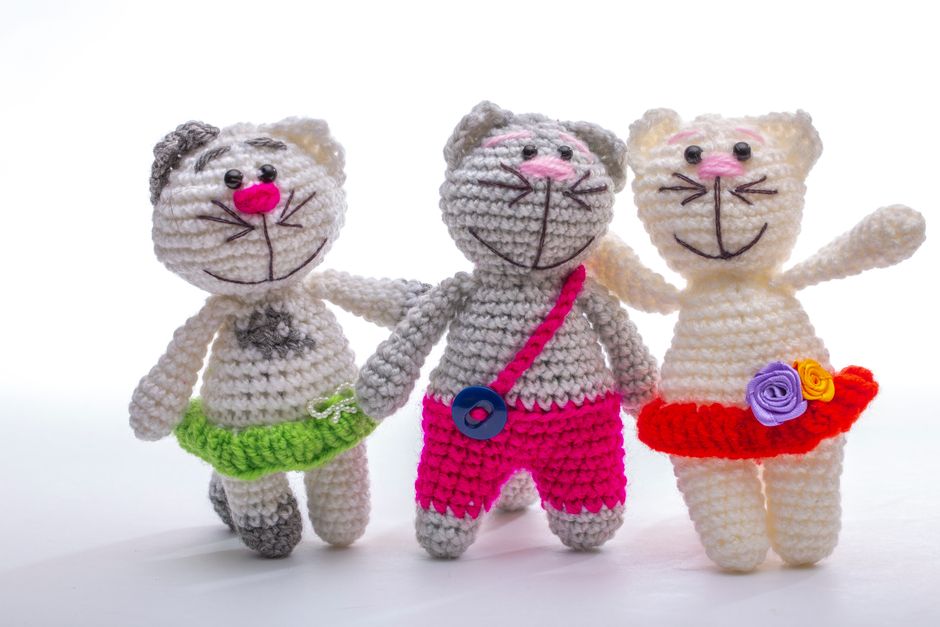
If your goal is cute stuffed animals rather than blankets, choose a book built around amigurumi from page one. Amigurumi has its own habits: tight tension, working in continuous spirals, invisible decreases, and sewing parts together cleanly. A general beginner book will mention these techniques briefly at best. A dedicated amigurumi beginner book teaches them as core skills, which is exactly what you want if plush toys are your motivation. Once you are ready to branch out, browse our roundup of the best amigurumi books for every skill level to find your next favorite.
The Visual or Large-Print Guide
Books with oversized photos, spiral bindings that lie flat, and large type are genuinely easier to use while your hands are busy. They cost a little more but earn their keep at the beginner stage.
What to Look For When Choosing Your First Book
Beyond the basics, a few practical checks separate a book you will use from one that gathers dust. Yarn choice matters just as much as the book itself, so pair your reading with a reliable guide to beginner friendly crochet yarn before your first shopping trip.
- Publication date and photography quality. Modern beginner books use crisp, close-up, color photography. Older classics can be excellent but often rely on line drawings that slow beginners down.
- Yarn and hook recommendations you can actually buy. A book that specifies widely available yarn weights (worsted, DK) is more useful than one built around rare specialty yarns.
- Troubleshooting chapters. Look for sections on fixing mistakes, frogging, and common errors like accidental increases. Self-correction skills matter more than perfect first attempts.
- Pattern reading lessons. The single biggest beginner hurdle is deciphering written patterns and charts. The book should dedicate real pages to this.
- Finish-along support. Some books include QR codes or companion resources. Any book that bridges to online tutorials gives you the best of both formats.
Tip: flip to the middle of any candidate book and read a random pattern page. If you cannot follow it before buying, you will not follow it after.
Why Many Beginners Pair a Book With Online Patterns
Books teach the craft. Online pattern libraries keep it exciting. That combination is how most successful beginners learn in 2026, and it is exactly the model Crochet Craze supports. A solid beginner book gives you structured lessons, a stitch reference, and a calm, linear path through the fundamentals. Thousands of downloadable amigurumi PDF patterns then let you apply those skills to projects you genuinely want to make, at any hour, without waiting for a shipment.
This pairing solves the two classic beginner problems. Problem one: books can feel slow and abstract. Answer: pick a simple pattern, like a small ball or a basic bear, and practice your new stitches on something adorable. Problem two: online patterns can assume knowledge you do not have yet. Answer: your book’s reference chapters fill the gaps, explaining magic rings, stitch counts, and finishing techniques in plain language.
Crochet Craze also offers detailed tutorials and guides written for beginners through experienced crafters, so when a pattern introduces an unfamiliar technique, you can learn it in minutes and return to your project. For amigurumi fans specifically, this is a stronger long-term setup than any single printed book can provide, because the pattern library keeps growing.
How to Get the Most Out of Your First Crochet Book
Buying the book is step one. Using it well is step two, and a few habits make a big difference.
- Work through chapters in order, even the boring ones. Skipping the section on holding the hook and yarn costs more time than it saves.
- Make a swatch for every new stitch. Small practice squares build muscle memory without the pressure of a finished object.
- Keep a notebook. Jot down hook sizes, yarn brands, and which projects worked. Your future self will thank you.
- Repeat projects you enjoy. Making the same simple pattern three times teaches more than three different patterns made once.
- Graduate to patterns. Once the basics feel automatic, move to downloadable PDF patterns. Working in continuous rounds with a real amigurumi design is the natural next step.
One more habit: give yourself permission to frog, which means ripping out stitches. Every experienced crocheter does it constantly. A beginner book that treats mistakes as normal, rather than shameful, is a keeper.
Conclusion
The best beginner crochet book in 2026 is the one that matches how you learn: a complete foundation guide if you want a lifelong reference, a project-driven book if you need momentum, or a dedicated amigurumi beginner book if stuffed animals are your dream. Check for photo-heavy instructions, left-handed notes, gauge guidance, and honest troubleshooting sections before you commit. Then pair your book with an online pattern library. That combination of structured lessons and an endless supply of amigurumi PDF patterns gives you the fastest, most enjoyable route from first stitch to finished handmade treasure. Happy crocheting.


