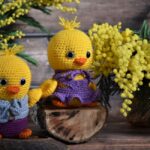
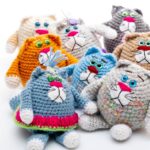
Amigurumi, the Japanese art of knitting or crocheting small stuffed yarn creatures, has captured the hearts of crafters worldwide. For beginners eager to dive into this charming craft, choosing the right instructional book can make all the difference between frustration and creative fulfillment. The best amigurumi books combine clear instructions, appealing patterns, and foundational techniques that build confidence from the first stitch.
As of 2026, the selection of amigurumi books has expanded significantly, offering everything from ultra-beginner-friendly guides to specialized pattern collections. Whether you’re looking to create adorable animals, fantasy characters, or food-themed creations, there’s a book designed to guide you through the process step by step.
What Makes a Great Beginner Amigurumi Book
Before exploring specific titles, understanding what distinguishes an excellent beginner book helps you make an informed choice. The ideal beginner’s guide should include comprehensive stitch tutorials with detailed photographs or illustrations showing hand positioning and yarn manipulation. Clear pattern instructions using standard abbreviations with explanations prevent confusion as you work through projects.

Progressive difficulty levels are essential, starting with simple spheres and basic shapes before advancing to more complex character designs. High-quality photography showcasing finished projects from multiple angles helps you visualize your end goal and troubleshoot along the way. Many top-rated books also include sizing guides, yarn recommendations, and stuffing techniques that ensure your creations look polished and professional.
The layout and organization matter tremendously for beginners. Books with well-structured chapters, easy-to-find reference sections, and logical progression from fundamental skills to complete projects create a smoother learning experience. Consider books that explain the reasoning behind certain techniques, not just the mechanics, as this deeper understanding accelerates skill development.
Top Recommended Beginner Amigurumi Books
“Amigurumi for Beginners” by Kristen Rask stands out as an exceptional starting point. This comprehensive guide includes over thirty projects ranging from simple balls and basic animals to more intricate designs. Each pattern features step-by-step photographs and thorough explanations of essential stitches. The book dedicates substantial space to fundamental techniques like the magic ring, invisible decreases, and color changes that elevate finished pieces.
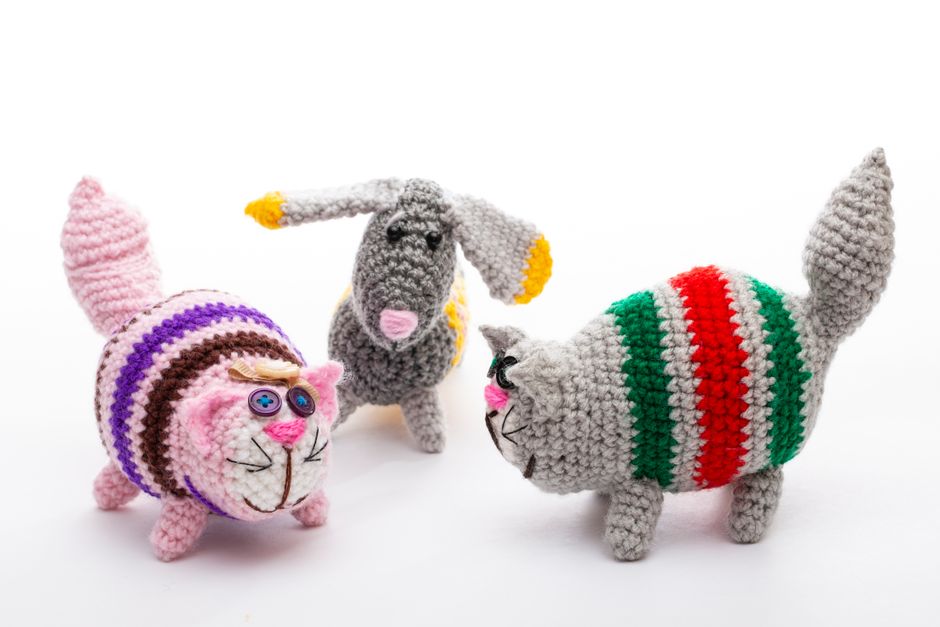
“The Complete Idiot’s Guide to Amigurumi” by June Gilbank offers an approachable introduction with its friendly tone and detailed instruction. Gilbank, a renowned amigurumi designer, breaks down complex concepts into manageable lessons. The book includes patterns for classic creatures while teaching proper tension control, assembly methods, and finishing touches that give your creations personality.
“Ami Play” by Tessa van Riet contains patterns that beginners find particularly rewarding. The book features adorable animal designs with clear, concise instructions and helpful tips throughout. Van Riet’s patterns use simple construction methods that build confidence while producing impressive results that look far more advanced than the actual skill level required.
“Edward’s Menagerie” by Kerry Lord introduces beginners to the TOFT method of amigurumi construction. While the finished animals appear sophisticated, the patterns follow consistent formulas that make learning intuitive. The book includes detailed anatomy explanations and assembly guidance, helping you understand how pieces fit together to create dimensional forms.
Essential Skills Covered in Quality Amigurumi Books
The foundation of amigurumi begins with mastering the magic ring, an adjustable loop that creates a tight, seamless starting point for most projects. Quality beginner books dedicate multiple pages to this crucial technique, offering troubleshooting advice for common problems. Understanding single crochet stitches, the primary stitch used in amigurumi, comes next, with emphasis on maintaining consistent tension for even fabric.
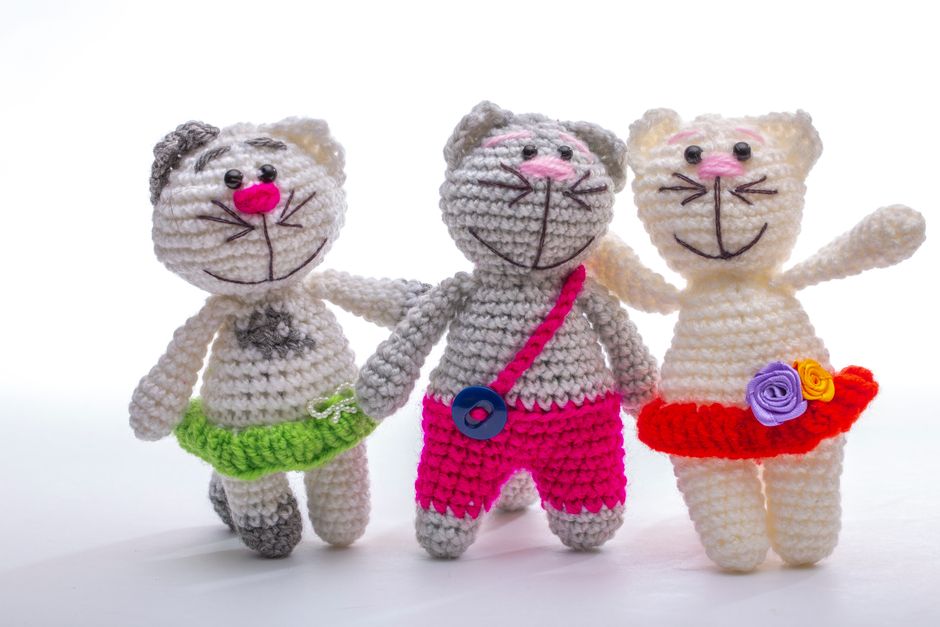
Increasing and decreasing stitches shape your creations, and the best books teach invisible decreases that eliminate the gaps that often plague beginner work. Color changes, whether for stripes, spots, or different body parts, require specific techniques to maintain clean lines and hide yarn tails effectively. Many books in 2026 now include video companion content accessible through QR codes, bringing these techniques to life with motion demonstrations.
Assembly skills transform individual components into cohesive characters. Top books explain various joining methods, from whipstitching to seamless joining, along with proper placement for eyes, noses, and other features. Embroidery basics for adding facial expressions and details receive thorough coverage, as these small touches bring amigurumi to life. According to Britannica’s overview of embroidery, this ancient decorative craft adds dimension and personality to textile projects.
Choosing Based on Your Learning Style
Visual learners benefit most from books with abundant photography showing each step in detail. Look for titles that include close-up shots of hand positions, stitch formations, and assembly angles. Some recent publications incorporate augmented reality features that let you view three-dimensional stitch guides through smartphone apps, though traditional photo tutorials remain highly effective.
Readers who prefer written explanations should seek books with thorough text descriptions accompanying diagrams. These books often include detailed troubleshooting sections that address common issues and their solutions. Pattern-focused learners might gravitate toward books offering numerous projects with consistent formatting, allowing you to develop familiarity with pattern reading through repetition.
Hands-on learners appreciate books that encourage experimentation and modification. These guides explain the principles behind patterns, empowering you to adjust sizes, change colors, or combine elements from different projects. Understanding the “why” behind techniques, rather than just following instructions, builds adaptable skills that serve you throughout your crafting journey.
Beyond Books: Supplementing Your Learning
While books provide excellent structured learning, combining them with additional resources accelerates progress. Online pattern libraries, like those available at Crochet Craze: Your Amigurumi Pattern Hub, offer thousands of amigurumi PDF patterns with instant downloads and detailed tutorials. These digital resources complement book learning by providing fresh project ideas and introducing you to different designer styles and techniques.
Video tutorials address questions that static images cannot fully answer, showing the fluid motion of yarn manipulation and hook movement. Many crafters in 2026 use books as their primary instruction manual while turning to videos for specific technique clarification. This multimedia approach addresses different learning preferences and reinforces concepts through varied presentation methods.
Community involvement enhances book-based learning significantly. Joining online forums, social media groups, or local crochet circles provides opportunities to ask questions, share progress, and receive encouragement. Many amigurumi books now include information about connecting with online communities specific to that book or author, creating built-in support networks for beginners.
Practice projects between book patterns help solidify skills. Creating simple shapes or experimenting with stitch variations in scrap yarn builds muscle memory without the pressure of completing a specific design. Understanding how to turn and flip chain in crochet, for example, is a fundamental skill that can be practiced on small swatches before tackling a full amigurumi project. The relationship between crafting hobbies and quality sleep has been well-documented, with many finding that regular creative practice improves relaxation and nighttime rest.
Investment Considerations and Long-Term Value
Quality amigurumi books represent investments in your crafting education. Prices typically range from fifteen to thirty-five dollars, with comprehensive guides at the higher end offering more patterns and detailed instruction. Consider cost per pattern when evaluating books; a thirty-dollar book with forty patterns offers better value than a fifteen-dollar book with five projects.
Durability matters for frequently referenced books. Spiral-bound or lay-flat binding allows books to stay open at your workspace, though these formats sometimes cost slightly more. Paperback books work well when you transfer pattern information to notes or digital devices. E-book versions offer portability and searchability but lack the tactile convenience of physical pages alongside your work.
Consider the timelessness of patterns when selecting books. Classic animal designs and fundamental shapes remain relevant for years, while trendy characters may lose appeal. Books focusing on technique mastery rather than specific characters provide lasting value, equipping you with skills to tackle any pattern you encounter in the future. For those interested in other fiber arts, understanding advanced tools like the Double Bed Machine Knitting Guide 2026 can open up new possibilities.
Conclusion
Selecting the best amigurumi book for your beginning journey depends on your learning preferences, project interests, and commitment level. The ideal book combines clear instruction, appealing patterns, and comprehensive technique coverage that grows with your developing skills. Whether you choose a single comprehensive guide or build a small library of specialized books, investing in quality instruction materials pays dividends in your crafting satisfaction and success. Pair your book learning with digital resources, community engagement, and consistent practice to develop confidence and creativity in this rewarding fiber art. The adorable creations you’ll produce make excellent gifts, home decorations, or the beginning of a lifelong crafting passion.