When searching for a “weaver near me,” you’re likely on a quest to discover local artisans who can create beautiful textile pieces, repair cherished woven items, or teach you the ancient craft of weaving. While traditional weaving and modern fiber arts like crochet share a rich heritage in textile creation, understanding what you’re looking for and where to find it can make your search much more rewarding.
The textile arts community has grown significantly in recent years, with both traditional weaving and contemporary crafts like amigurumi crochet experiencing renewed interest. Whether you’re seeking a professional weaver for commissioned work or hoping to learn weaving techniques yourself, knowing how to navigate your local crafting community is essential.
Understanding the Difference Between Weaving and Other Fiber Arts
Before beginning your search for a local weaver, it’s helpful to understand what distinguishes weaving from other textile crafts. Weaving involves interlacing two sets of yarn or thread at right angles to create fabric, typically using a loom. This differs from knitting, which creates fabric with interconnected loops, and crochet, which uses a single hook to create interlocking stitches.

According to Britannica’s comprehensive overview, weaving is one of humanity’s oldest crafts, with evidence dating back thousands of years across multiple civilizations. This historical depth means that weaving encompasses everything from traditional tapestries and rugs to modern textile art installations.
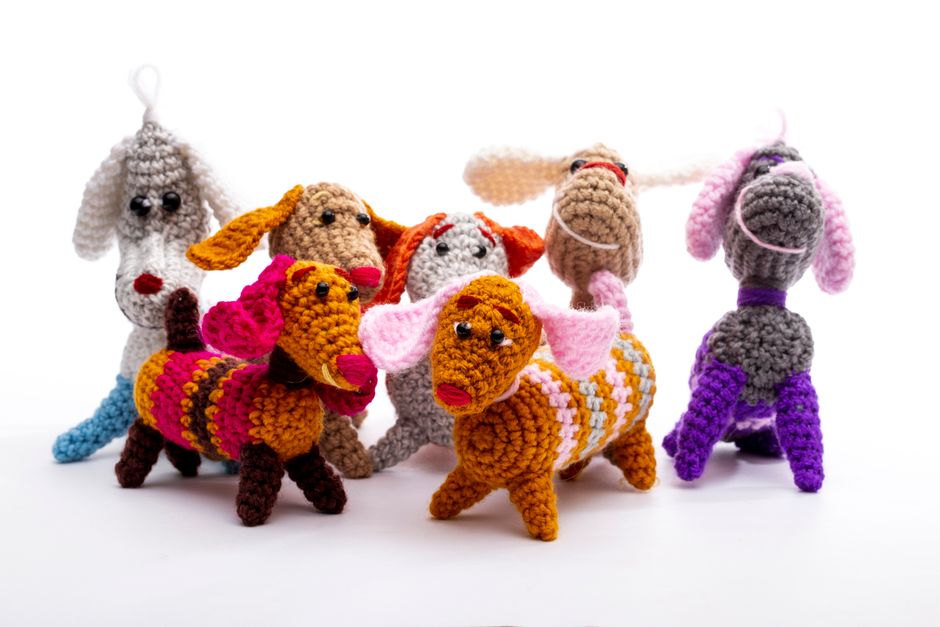
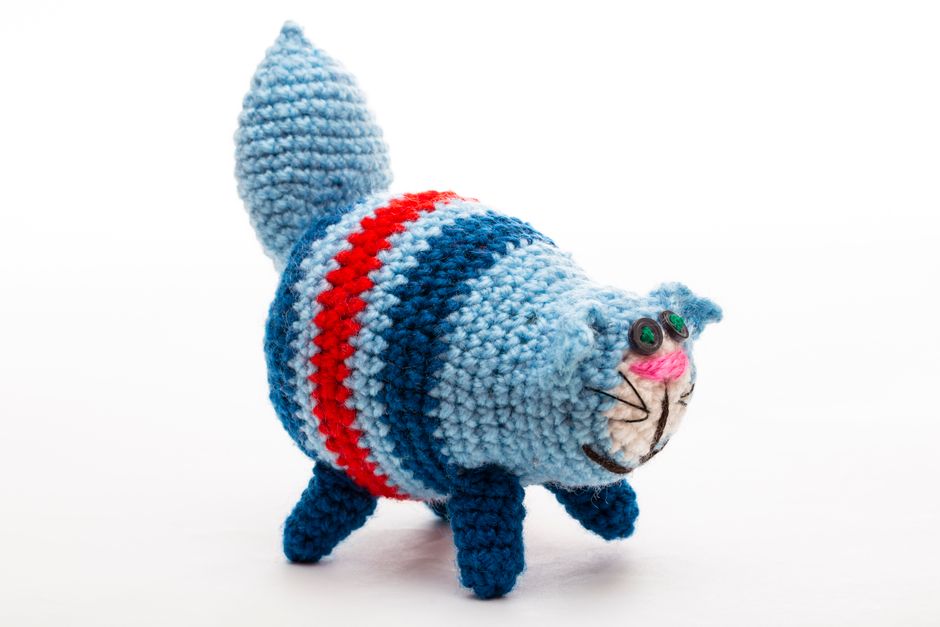
If you’re specifically interested in creating three-dimensional stuffed characters and decorative items, you might actually be looking for crochet patterns rather than weaving services. Amigurumi, the Japanese art of crocheting small stuffed yarn creatures, has become incredibly popular among crafters seeking portable, creative projects that don’t require large equipment like looms.
Where to Find Local Weavers and Textile Artists
Finding a skilled weaver in your area requires exploring multiple channels. Local yarn shops often serve as community hubs where weavers, crocheters, and knitters gather. These shops typically maintain bulletin boards or directories of local artisans and may host weaving circles or workshops.
Craft guilds represent another excellent resource for connecting with weavers. Most regions have weaving and spinning guilds that welcome both experienced artisans and curious beginners. These organizations frequently organize shows, sales, and educational events where you can meet local weavers and view their work firsthand.
Farmers markets and artisan fairs showcase local crafters selling their handmade goods. Many weavers participate in these events, offering everything from woven scarves and blankets to custom tapestries. These venues allow you to see the quality of their work in person and discuss potential custom orders.
Art galleries and studios in your community may feature textile artists, including weavers. Gallery openings provide opportunities to meet artists directly and learn about their techniques and availability for commissions.
Online platforms have also transformed how we connect with local artisans. Social media groups dedicated to your city or region often have active crafting communities where weavers share their work and availability. Local marketplace apps can help you find weavers offering services or selling finished pieces nearby.
What to Ask When Hiring a Professional Weaver
Once you’ve identified potential weavers in your area, knowing what questions to ask ensures you find the right match for your project. Start by inquiring about their specialization—some weavers focus on functional items like blankets and table linens, while others create artistic wall hangings or fashion accessories.
Ask about their experience level and request to see a portfolio of completed work. This gives you insight into their style, technical skill, and range of capabilities. If you’re commissioning a custom piece, discuss their design process, including whether they work from your ideas, provide design consultations, or have signature styles.
Timeline and pricing are critical considerations. Custom woven pieces can take considerable time, especially for larger projects. Understanding their current workload and projected completion date helps you plan accordingly. Request detailed pricing information, including whether they charge by the hour, by square footage, or per project, and what materials costs might entail.
For repair work on existing woven items, ask about their assessment process and whether they can match original materials and techniques. Restoring antique or sentimental pieces requires particular expertise, so inquire about their experience with similar projects.
Learning to Weave Yourself
If your search for a “weaver near me” stems from wanting to learn the craft yourself, numerous pathways can help you begin. Community colleges and continuing education programs frequently offer weaving classes for beginners, providing access to looms and expert instruction without requiring significant upfront investment in equipment.
Local weaving guilds often welcome new members and provide mentorship programs pairing beginners with experienced weavers. These relationships offer invaluable hands-on learning and ongoing support as you develop your skills.
Some yarn shops and craft studios offer weaving workshops ranging from single-day introductions to multi-week courses. These classes let you explore whether weaving suits your interests before committing to purchasing a loom and supplies.
If weaving’s equipment requirements seem daunting, consider exploring crochet as an alternative fiber art. Crochet requires minimal tools—just a hook and yarn—making it highly accessible and portable. Amigurumi crochet, in particular, offers endless creative possibilities for making charming stuffed animals, decorative items, and gifts. With thousands of patterns available for instant download and detailed tutorials guiding you through each step, beginners can quickly develop their skills and create impressive handmade treasures.
The Modern Textile Arts Community
The textile arts community in 2026 is vibrant and welcoming, with crafters of all ages discovering or rediscovering the satisfaction of creating with fiber. Social media has connected crafters globally while simultaneously strengthening local communities through meetups, stitch-and-chat groups, and collaborative projects.
Many crafters find that working with yarn and fiber provides not only creative fulfillment but also therapeutic benefits. The repetitive motions and focused attention required by weaving, crochet, and other fiber arts can promote relaxation and mindfulness. Research has shown that engaging in creative hobbies can reduce stress and improve overall wellbeing, making textile crafts an excellent choice for those seeking both artistic expression and mental health benefits.
Whether you’re drawn to the architectural quality of woven textiles or the sculptural possibilities of crocheted amigurumi, joining this community opens doors to learning, friendship, and creative growth. Local crafting groups provide support, inspiration, and the shared joy of making beautiful things by hand.
Choosing Between Traditional Weaving and Modern Crochet
Your choice between pursuing weaving or exploring alternative fiber arts like crochet depends on several factors. Consider your available space—looms require dedicated areas, while crochet projects travel easily. Think about your budget, as weaving equipment represents a significant investment compared to the minimal supplies needed for crochet.
Project goals also matter. Weaving excels at creating yardage for fabric, structured textiles, and impressive wall art. Crochet, particularly amigurumi, shines when making three-dimensional objects, toys, accessories, and decorative items. Both crafts offer tremendous creative satisfaction and opportunities for skill development.
Many fiber artists ultimately explore multiple techniques, finding that each craft offers unique pleasures and possibilities. Starting with a more accessible craft like crochet can build your understanding of fiber, color, and texture while you explore whether to expand into weaving later.
Conclusion
Finding a skilled weaver near you opens possibilities for commissioning beautiful handwoven pieces, repairing treasured textiles, or learning this ancient craft yourself. By exploring local yarn shops, craft guilds, artisan markets, and online communities, you can connect with talented weavers in your area. Whether you ultimately commission custom work, take weaving classes, or discover that crochet and amigurumi better suit your creative goals, the textile arts community offers endless opportunities for learning, creating, and connecting with fellow crafters. The key is taking that first step—reaching out, asking questions, and beginning your journey into the rewarding world of fiber arts.