Creating a waistcoat using crochet or traditional crafting techniques opens up a world of personalized fashion possibilities. Whether you’re a beginner looking to expand your skillset or an experienced crocheter seeking a quick project, a simple waistcoat pattern can be both rewarding and practical. This comprehensive guide will walk you through everything you need to know about finding, understanding, and executing free waistcoat patterns that deliver professional results without complicated instructions.
Understanding Waistcoat Pattern Basics
A waistcoat, also known as a vest, is a sleeveless garment that typically reaches the waist or hip level. When approaching a simple waistcoat pattern, understanding the basic construction will help you achieve better results. Most waistcoat patterns consist of two front panels, one back panel, and finishing details like armhole edges, necklines, and front bands or button closures.

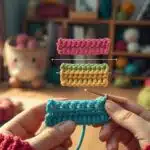
For crocheters, the waistcoat stitch itself is particularly relevant. This stitch creates a fabric that resembles knitted stockinette stitch and offers a smooth, professional appearance perfect for garments. The waistcoat stitch involves inserting your hook between the vertical posts of stitches from the previous row rather than under the top loops, creating a dense, woven texture.
Simple patterns typically use basic stitches like single crochet, double crochet, or the waistcoat stitch throughout, making them accessible for beginners while still producing elegant results. Understanding your gauge and how fabric drapes will ensure your finished waistcoat fits properly and hangs beautifully on the body.
Essential Materials and Tools
Before starting your waistcoat project, gathering the right materials ensures a smooth crafting experience. For a basic waistcoat, you’ll need yarn appropriate for your chosen pattern—typically worsted weight or DK weight yarn works well for most designs. The yarn choice affects both the drape and warmth of your finished garment, so consider the season and intended use.
You’ll need crochet hooks in the size recommended by your pattern, usually ranging from 4mm to 6mm for standard yarn weights. Having stitch markers helps track pattern repeats and shaping points, while a tapestry needle is essential for weaving in ends and seaming panels together. A measuring tape ensures accurate sizing throughout your project.
Additional supplies include buttons if your pattern calls for closures, blocking pins and foam boards for finishing, and scissors for trimming yarn. Many crafters find it helpful to keep a notebook nearby to track rows completed and any modifications made to the pattern. Just as regular physical activity requires proper preparation, successful crafting projects benefit from organized materials and workspace setup.
Finding Quality Free Waistcoat Patterns
The internet offers numerous sources for free waistcoat patterns, but quality varies significantly. Look for patterns that include clear written instructions, size charts, gauge information, and helpful photos or diagrams. Reputable crafting communities and established designers typically provide more reliable patterns with better support if questions arise.
When evaluating free patterns, check for completeness. A good pattern should list all required materials, provide stitch abbreviations, include multiple sizes, and offer construction guidance. Read reviews or comments from other crafters who have completed the pattern—they often provide valuable insights about fit, difficulty level, and potential pitfalls.
Many designers offer simplified versions of their premium patterns for free, which can be excellent starting points. These patterns often focus on straightforward construction without complicated shaping or advanced techniques, making them ideal for building confidence before tackling more complex designs. Consider downloading several patterns to compare approaches and find one that matches your skill level and style preferences.
Step-by-Step Construction Process
Most simple waistcoat patterns follow a straightforward construction sequence. Begin by creating a gauge swatch to ensure your tension matches the pattern specifications. This critical step prevents sizing disappointments later. Once your gauge is correct, you’ll typically start with the back panel, which is usually the largest and simplest component.
Work the back panel according to pattern instructions, carefully following any shaping for armholes and neckline. After completing the back, move on to the front panels. These are usually worked as mirror images of each other, with additional shaping for the front neckline and possibly armholes. Pay close attention to which side you’re working on to ensure symmetry.
Once all panels are complete, block them to the dimensions specified in your pattern. Blocking helps even out stitches and ensures pieces match the intended measurements. Seam the shoulder seams first, then the side seams, using your preferred joining method—mattress stitch, slip stitch crochet seams, or whip stitch all work well depending on the desired finish.
Finally, add finishing touches like edging around armholes, neckline, and front opening. Many patterns include a button band if closures are desired. Weave in all ends securely, add buttons if using them, and give your waistcoat a final press or steam to set everything in place.
Customization and Sizing Considerations
One advantage of working with simple patterns is the ease of customization. Adjusting length is straightforward—simply work more or fewer rows before beginning armhole shaping. Width adjustments require more calculation but remain manageable with basic math. To make a waistcoat wider, work additional stitches across each row while maintaining the pattern stitch.
Color choices dramatically impact the final appearance. Solid colors create classic, versatile pieces suitable for various occasions, while variegated or self-striping yarns add visual interest without requiring color changes. Consider where and how you’ll wear the waistcoat when selecting colors—neutral tones offer maximum versatility, while bold colors make statement pieces.
Personal style preferences might include adding pockets, changing button styles, or modifying neckline shapes. Simple patterns provide an excellent foundation for these modifications because the basic construction is easy to understand and adapt. Just as understanding textile arts throughout history reveals endless creative possibilities, experimenting with pattern modifications helps develop your unique crafting voice.
Troubleshooting Common Issues
Even with simple patterns, challenges occasionally arise. If your waistcoat doesn’t fit as expected, gauge is usually the culprit. Too-tight gauge creates a smaller, stiffer fabric, while too-loose gauge produces an oversized, floppy result. Reworking your swatch with a different hook size typically resolves this issue.
Uneven edges often result from inconsistent tension or miscounted stitches. Using stitch markers at regular intervals helps maintain accurate stitch counts. If tension varies throughout your project, practice maintaining consistent hand position and yarn tension. Many crafters find that their tension naturally evens out with experience.
If seams appear bulky or obvious, experiment with different joining methods. Sometimes switching from a crochet join to a sewn seam creates a neater finish. Poor drape might indicate yarn choice issues—heavier yarns work better for structured waistcoats, while lighter yarns create flowing, layering pieces.
When gaps appear around armholes or buttonholes, adding extra edging rounds usually resolves the problem. Take time to try on your waistcoat during construction to catch fit issues early when they’re easier to address. Much like how proper rest supports overall wellbeing, taking breaks during crafting helps maintain focus and prevents repetitive strain while ensuring better results.
Conclusion
Creating a waistcoat from a simple free pattern offers an excellent opportunity to expand your crochet skills while producing a practical, wearable garment. By understanding basic construction principles, gathering appropriate materials, carefully following pattern instructions, and allowing room for personal customization, you can create beautiful waistcoats suited to your style and needs. Whether you’re crafting a classic layering piece or experimenting with bold colors and textures, simple waistcoat patterns provide the perfect canvas for developing your skills and expressing your creativity. Start with a basic pattern, master the fundamentals, and soon you’ll be ready to tackle more complex variations and even design your own unique waistcoat patterns.